English
 русский
 Español
Pre-engineered metal buildings (PEMB) have become a game changer in the construction industry, particularly in commercial, industrial, and warehousing applications. These buildings, known for their efficiency, cost-effectiveness, and long-lasting durability, are a preferred choice for developers looking for quick and reliable solutions. In this article, we dive deep into the world of PEMB, focusing on steel frame warehouse construction, pre-engineered building construction, and their wide array of benefits.
- What is Pre-Engineered Metal Building Architecture?
- Why Choose Pre-Engineered Metal Buildings?
- The Rise of Commercial PEMB: Applications and Market Growth
- Key Features of Pre-Engineered Metal Buildings
- Comparing Pre-Engineered Metal Buildings with Traditional Construction
- Applications of Pre-Engineered Metal Buildings in Various Industries
- Frequently Asked Questions (FAQ)
- Conclusion
What is Pre-Engineered Metal Building Architecture?
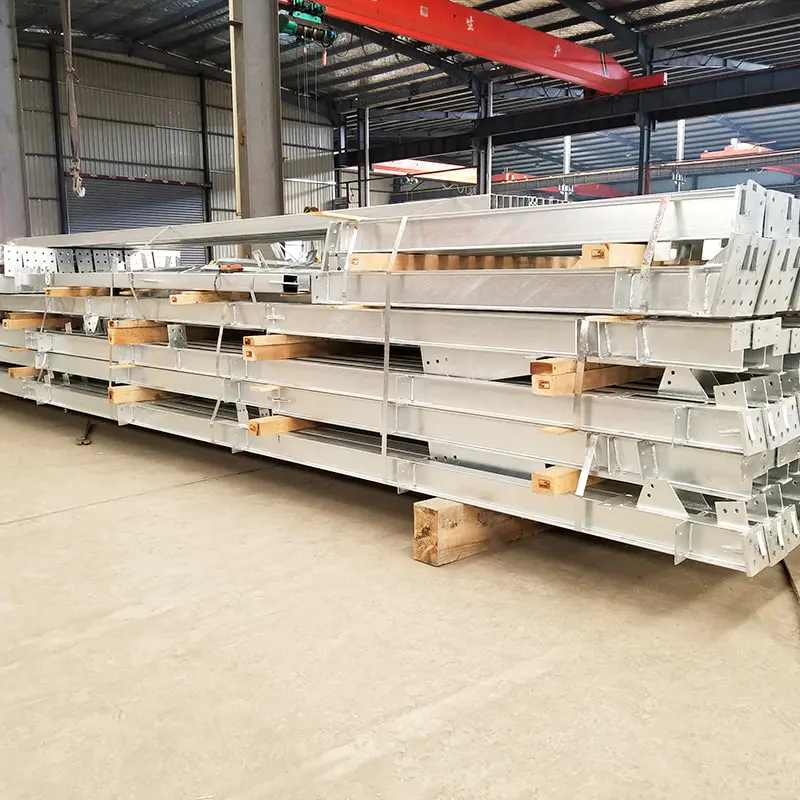
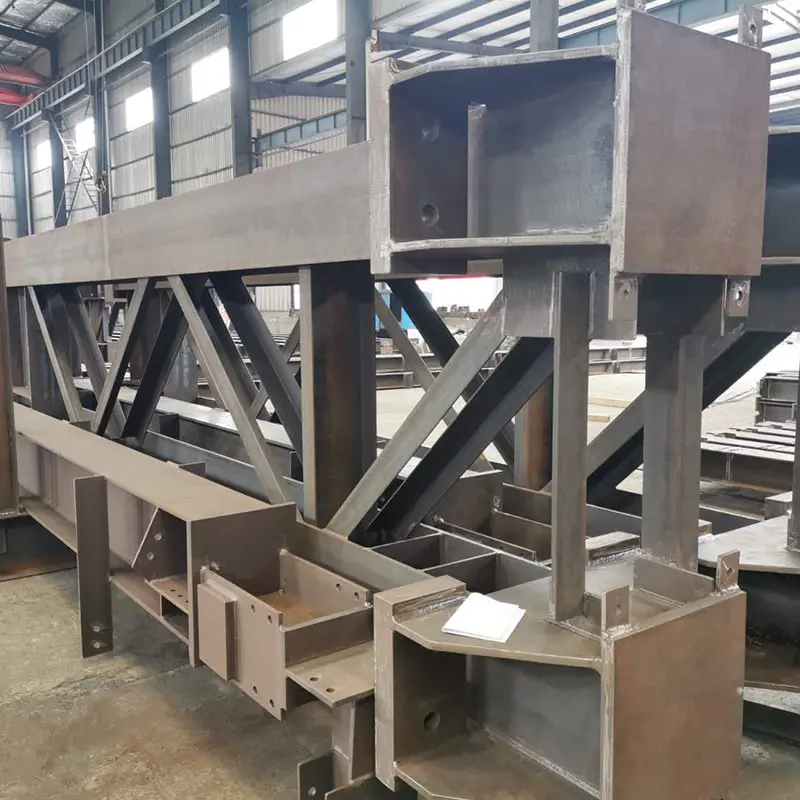
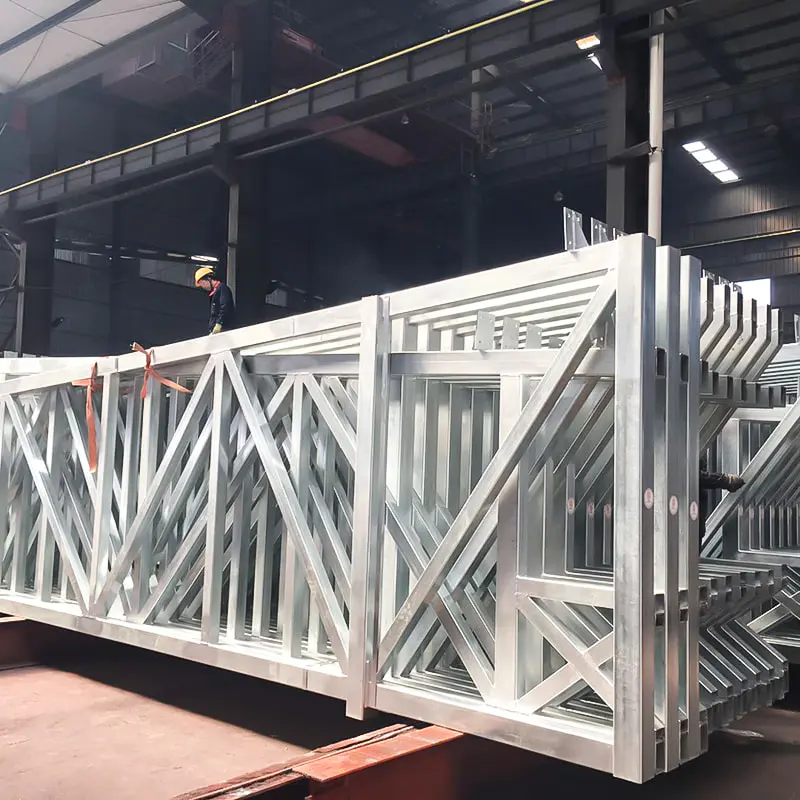
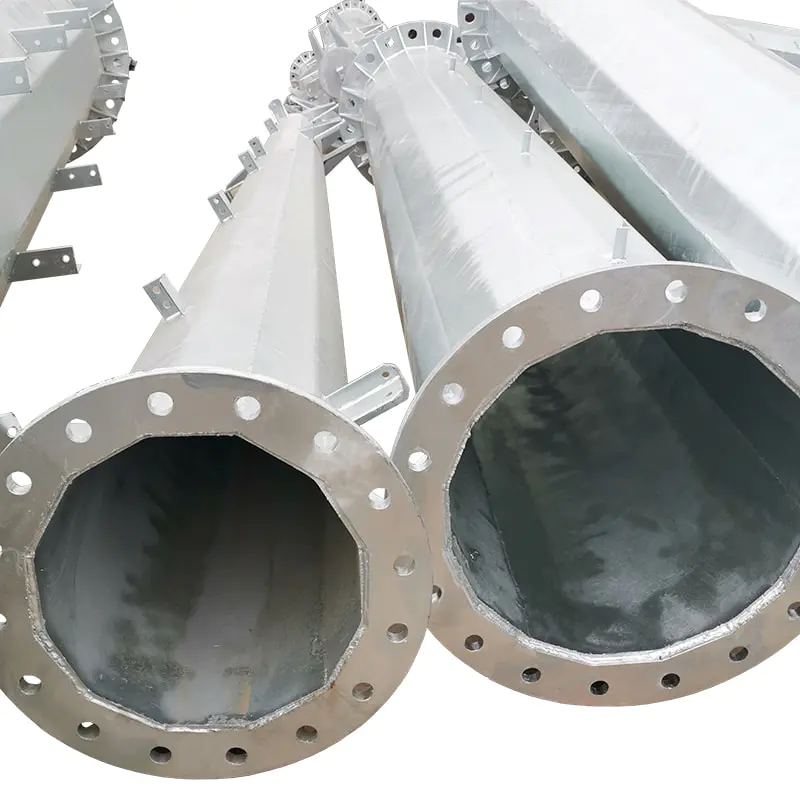
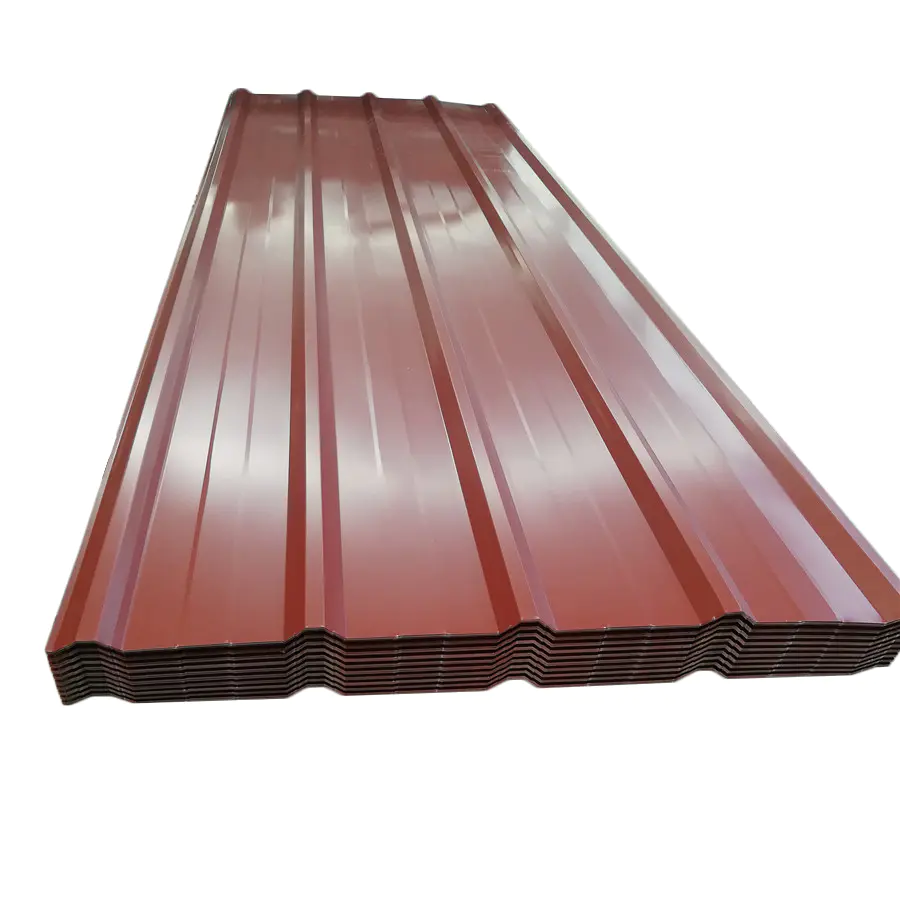
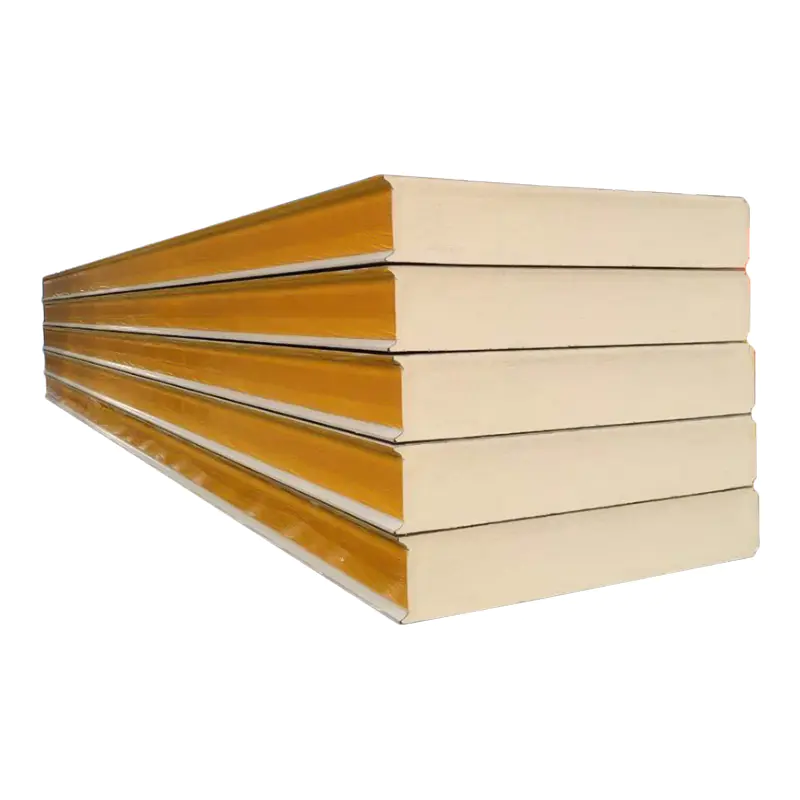
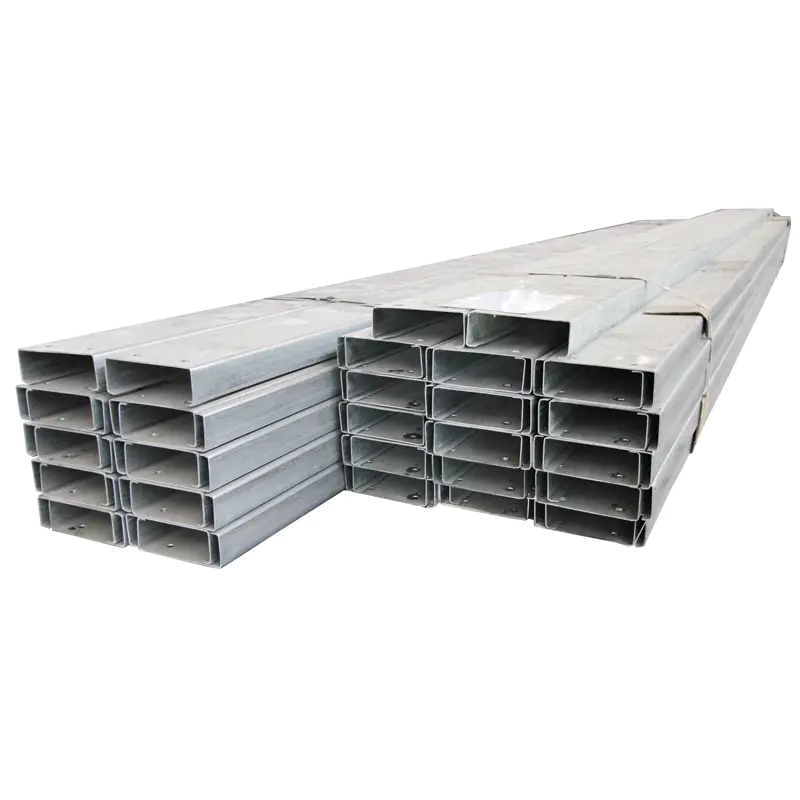
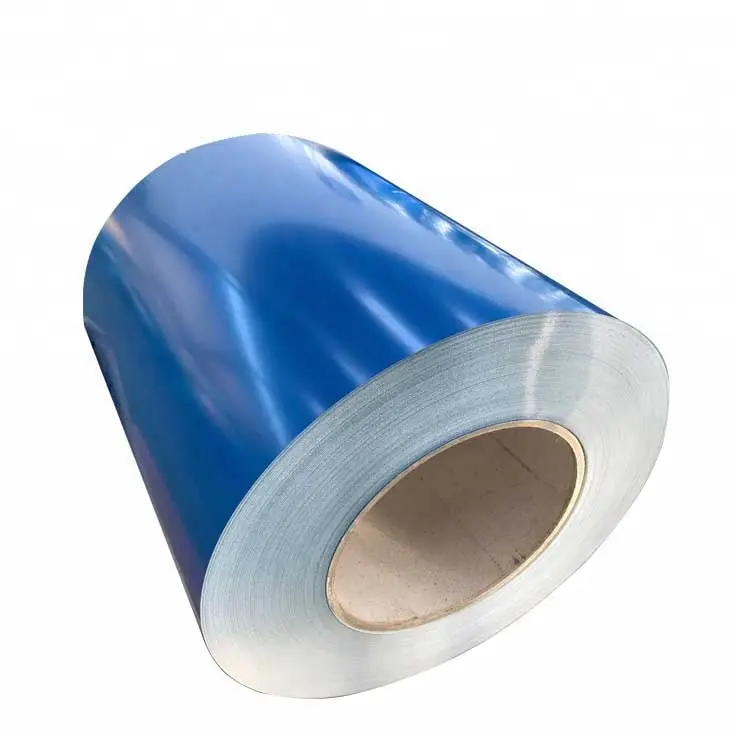
Pre-engineered metal buildings (PEMB) refer to structures that are designed and fabricated in a factory before being shipped to the construction site for assembly. These buildings are constructed using standardized components like steel framing, roofing systems, and wall panels, all of which are pre-measured and pre-cut to fit together seamlessly during the on-site assembly. This process significantly reduces both construction time and cost.
The architecture of PEMB is incredibly versatile, as it can be customized for various functions. Whether it’s for a warehouse, a manufacturing facility, or a commercial retail space, PEMB can be designed to meet the specific needs of any project while providing long-term durability and structural integrity.
Why Choose Pre-Engineered Metal Buildings?
In commercial construction, there are several compelling reasons why pre-engineered metal buildings have gained popularity:
- Speed of Construction: The pre-engineering process means that much of the design and fabrication is done off-site, allowing the building to be assembled much faster than traditional construction methods. This speed reduces the time needed for completion and can help businesses get up and running quickly.
- Cost Efficiency: Factory fabrication and assembly streamline the construction process, lowering both material and labor costs. Since the components are mass-produced, economies of scale help keep costs down.
- Design Flexibility: While PEMB have a standardized approach, they still offer customization options in terms of design, dimensions, and finishes. Whether it’s a large industrial warehouse or a retail space, PEMB can be adapted to meet various requirements.
- Durability and Strength: Steel, the primary material in PEMB, offers exceptional strength and resilience. These buildings are designed to withstand harsh weather conditions such as high winds, snow, and heavy rain.
- Low Maintenance: With steel framing and durable materials, PEMB require minimal maintenance, making them a cost-effective long-term solution.
The Rise of Commercial PEMB: Applications and Market Growth
The growth of PEMB has been driven by their wide-ranging applications in the commercial and industrial sectors. From warehouses to manufacturing plants, retail spaces, and even sports arenas, the adaptability of PEMB makes them a preferred option for developers seeking cost-effective and quick solutions.
One of the largest uses of PEMB is in steel frame warehouse construction. Steel frames provide a strong foundation for warehouses, where the need for large, open spaces with minimal internal supports is crucial. These structures are designed to accommodate everything from storage to heavy-duty operations, making them ideal for commercial distribution centers and industrial facilities.
Key Features of Pre-Engineered Metal Buildings
Pre-engineered metal buildings stand out for several important features that contribute to their growing popularity:
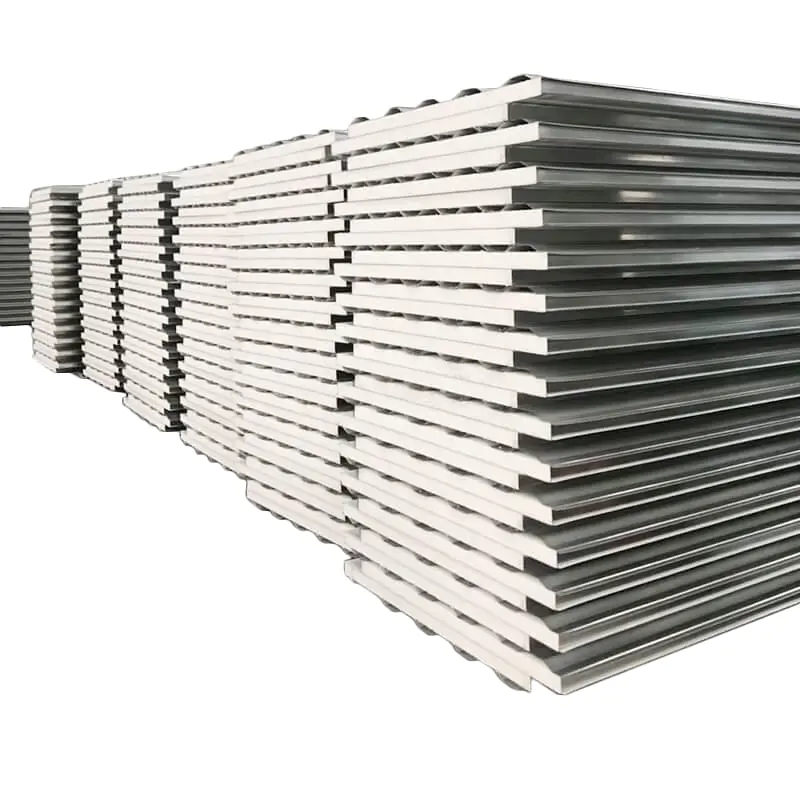
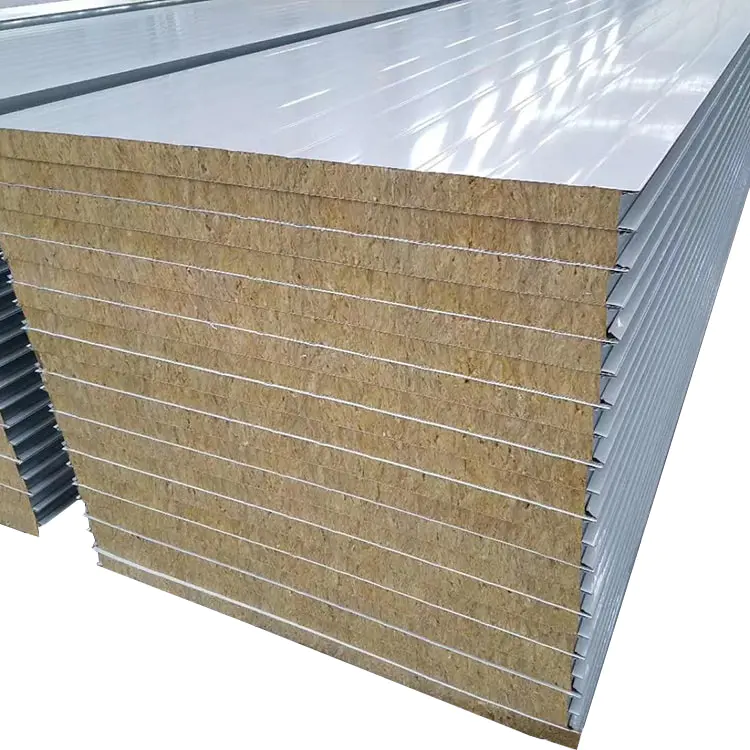
- Energy Efficiency: PEMB can be designed with energy-saving features such as insulation, energy-efficient windows, and advanced roofing systems. These elements contribute to lowering heating and cooling costs in the long term.
- Cost Control: PEMB offer fixed pricing and predictable costs due to their standardized components. This allows businesses to plan their budgets more effectively and avoid unexpected costs that can arise in traditional construction projects.
- Wide Customization Options: Despite being pre-engineered, these buildings can be customized with different panel finishes, insulation options, and building dimensions to meet specific needs.
- Fire Resistance: Steel is a non-combustible material, meaning that PEMB structures offer excellent fire resistance, which is a key factor in industries like manufacturing and warehousing.
- Design for Expansion: One of the greatest benefits of PEMB is the ability to expand as business needs grow. Adding new sections or expanding an existing structure is easier and more cost-effective than with traditional buildings.
Comparing Pre-Engineered Metal Buildings with Traditional Construction
When comparing PEMB with traditional construction methods, several key differences emerge:
| Feature | Pre-Engineered Metal Buildings | Traditional Construction |
|---|---|---|
| Construction Time | Fast; can be completed in weeks instead of months | Longer; can take several months or even years |
| Cost | Lower due to standardized materials and faster construction | Higher, with more complex designs and labor-intensive processes |
| Design Flexibility | Customizable to a certain extent, but still follows standard designs | Highly customizable in terms of design, but also more time-consuming and expensive |
| Maintenance | Low maintenance with durable materials | Higher maintenance costs due to wear and tear |
| Durability | Extremely durable with steel framing and corrosion-resistant materials | Durability depends on the materials used, but generally requires more upkeep |
Applications of Pre-Engineered Metal Buildings in Various Industries
Pre-engineered buildings can be used in a wide variety of industries, from manufacturing to retail. Below are some of the most common uses of PEMB:
- Warehouses: Pre-engineered buildings are often used in steel frame warehouse construction due to their durability, large open spaces, and ability to withstand heavy-duty operations.
- Commercial and Retail Spaces: PEMB provide businesses with flexible, affordable space that can be adapted for retail or office use. Many large retail chains and distribution centers utilize PEMB for their operations.
- Manufacturing Facilities: Steel-frame buildings offer the perfect combination of strength and flexibility needed for factories, assembly lines, and production facilities.
- Agricultural and Storage Facilities: With their low-maintenance and durable construction, PEMB are ideal for agricultural and storage applications, including barns, equipment storage, and grain silos.
- Sports Facilities: From indoor sports complexes to arenas, PEMB are commonly used in the construction of sports facilities thanks to their large, column-free interior spaces.
Frequently Asked Questions (FAQ)
- What is the typical lifespan of a pre-engineered metal building?
PEMB can last anywhere from 50 to 100 years, depending on the materials used and maintenance practices. Steel, the primary material, is highly durable and resistant to corrosion.
- Can pre-engineered metal buildings be expanded?
Yes, PEMB are designed for easy expansion. If your business needs more space in the future, additional sections can be added to the structure with minimal disruption.
- Are pre-engineered buildings energy-efficient?
Yes, many modern PEMB are designed with energy efficiency in mind. They can incorporate insulated panels, reflective roofing systems, and energy-efficient windows to reduce heating and cooling costs.
- How much does it cost to build a pre-engineered metal building?
The cost of a PEMB depends on the size, design, and specific requirements. On average, a basic PEMB can be built for 10-30% less than a traditional building of the same size.
- What types of businesses benefit from PEMB?
PEMB are ideal for businesses in manufacturing, warehousing, retail, agriculture, and sports, as well as for those looking for a durable, cost-effective, and quick construction solution.
Conclusion
Pre-engineered metal buildings (PEMB) represent a significant leap forward in construction technology, offering cost-effective, durable, and flexible solutions for businesses across a variety of industries. Whether you need a steel frame warehouse or a retail outlet, PEMB provide the foundation for fast and efficient construction, making them a preferred option for businesses looking to expand quickly without sacrificing quality.