English
 русский
 Español
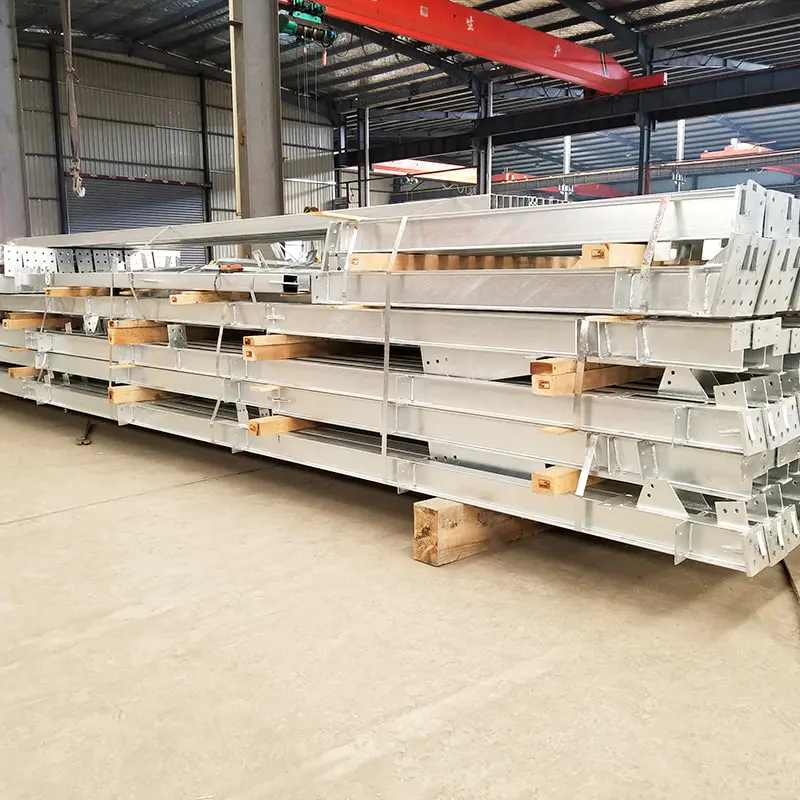
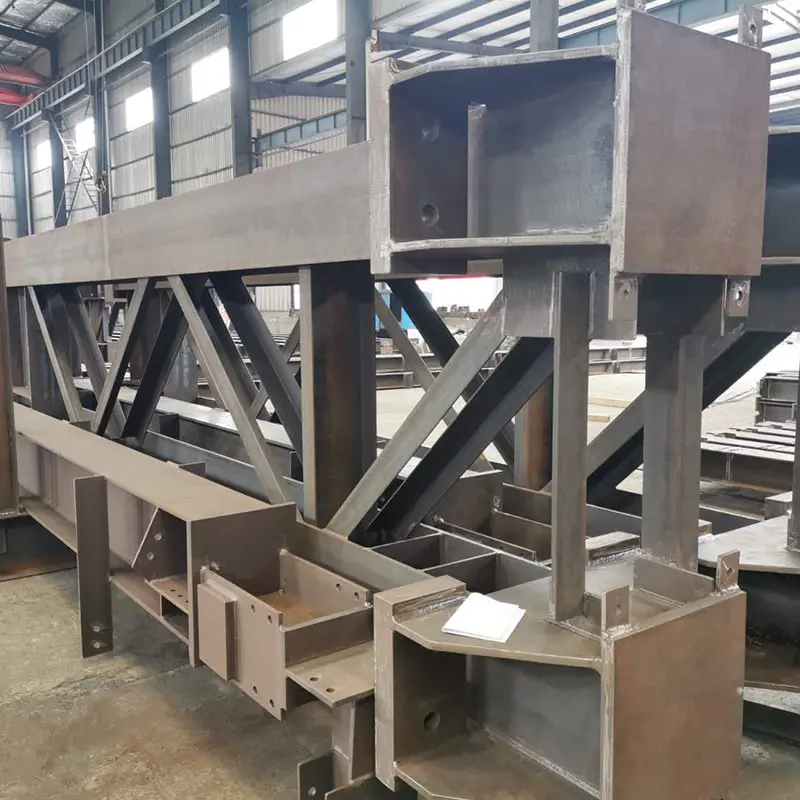
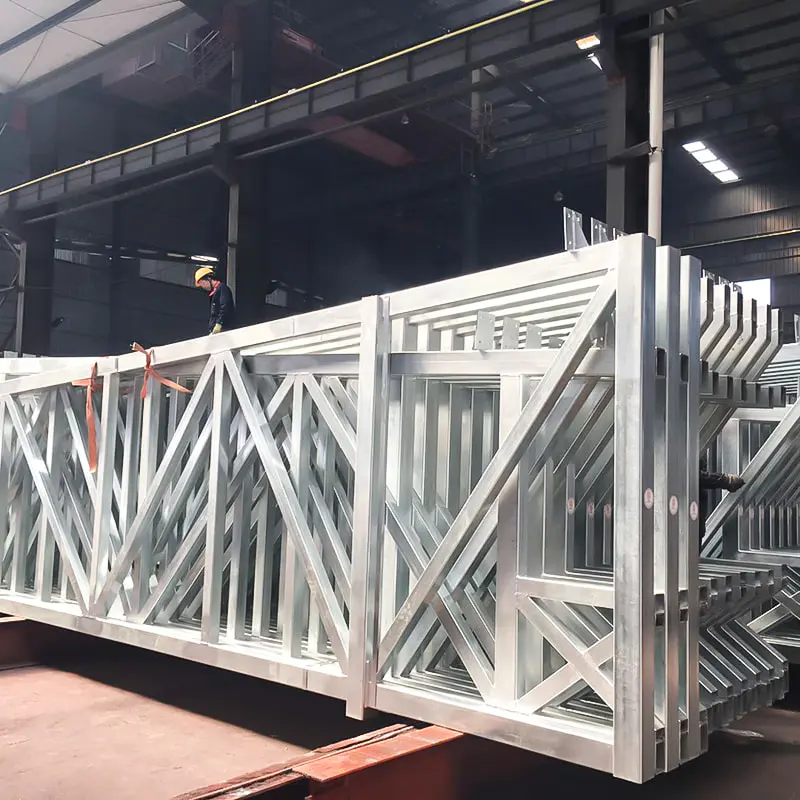
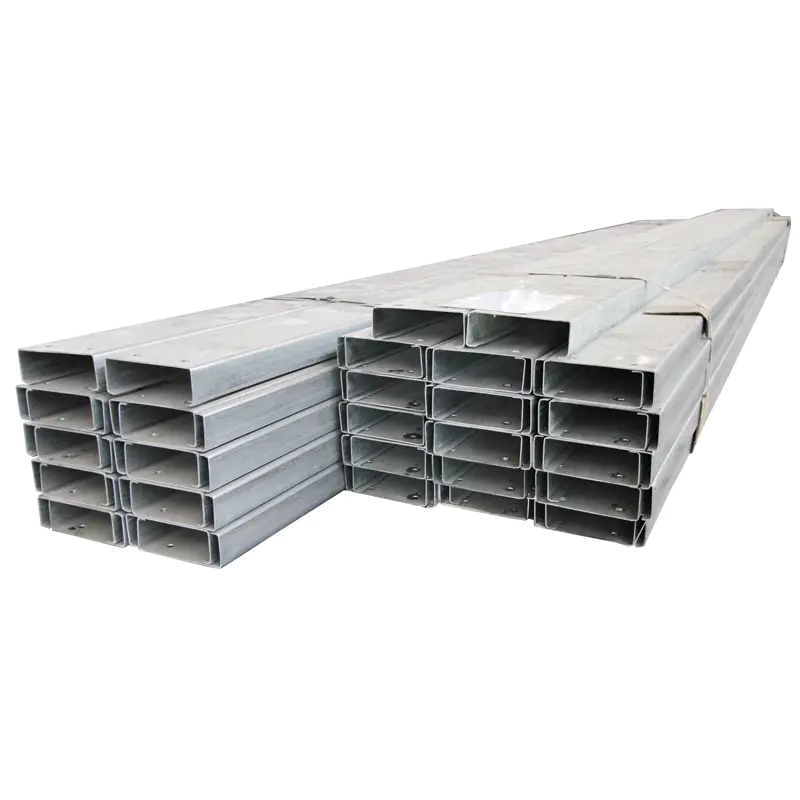
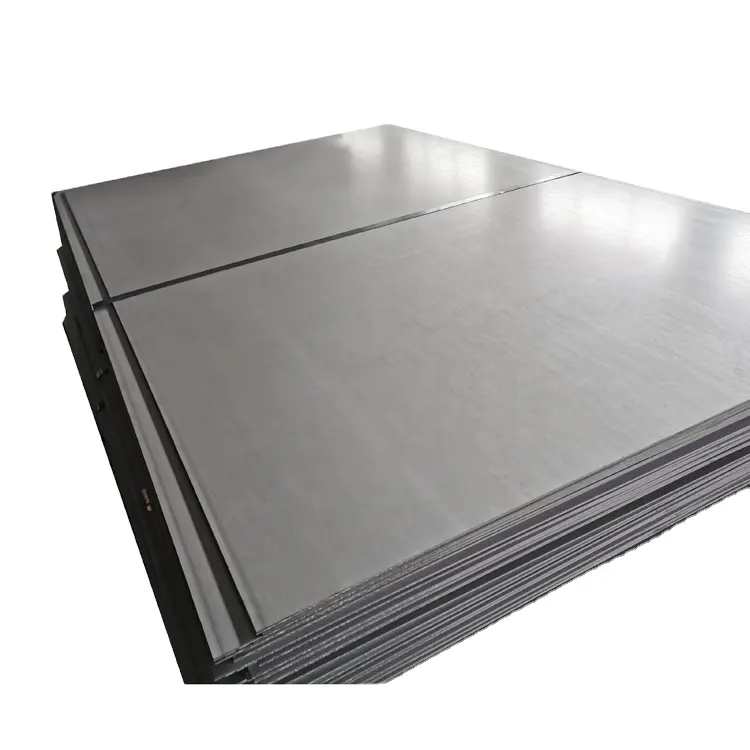
Metal Building Structure has long been associated with industrial, commercial, and agricultural applications. Steel frames, metal panels, and modular components make these structures durable, cost-effective, and highly adaptable. Recently, however, architects and homeowners are exploring the possibility of metal building structures for residential purposes. The growing interest stems from their longevity, low maintenance requirements, and flexibility in design.
- Advantages of Using Metal Building Structures for Homes
- Comparison Between Metal Building Structures and Traditional Homes
- Challenges of Using Metal Building Structures for Residential Use
- Design Options for Residential Metal Buildings
- Cost and Construction Time Analysis
- Metal Building Structures vs. Modular Wooden Homes
- Frequently Asked Questions (FAQ)
- Conclusion
Advantages of Using Metal Building Structures for Homes
- Durability: Metal buildings resist termites, mold, fire, and severe weather conditions, making them highly durable compared to traditional wooden homes.
- Cost Efficiency: Prefabricated metal structures can reduce construction time and labor costs. In many cases, the overall expense is lower than conventional brick or timber homes.
- Design Flexibility: Steel framing allows for wide-open floor plans and large windows without the need for load-bearing walls, enabling creative and modern residential designs.
- Environmental Benefits: Many metal building components are recyclable, and steel structures can incorporate energy-efficient insulation, reducing environmental impact.
- Low Maintenance: Unlike wood or brick, metal structures do not warp, crack, or rot over time, significantly reducing maintenance efforts and costs.
Comparison Between Metal Building Structures and Traditional Homes
| Feature | Metal Building Structure | Traditional Wood/Brick Home |
|---|---|---|
| Durability | High resistance to weather, termites, and fire | Moderate; susceptible to rot, termites, and natural disasters |
| Construction Time | Faster due to prefabrication and modular design | Slower; requires multiple stages and trades |
| Maintenance | Low maintenance; resists decay | Higher maintenance; prone to cracking and water damage |
| Cost | Generally lower over the long term | Varies; may be higher due to labor and material costs |
| Design Flexibility | High; allows for modern, open spaces | Limited by load-bearing walls and conventional materials |
Challenges of Using Metal Building Structures for Residential Use
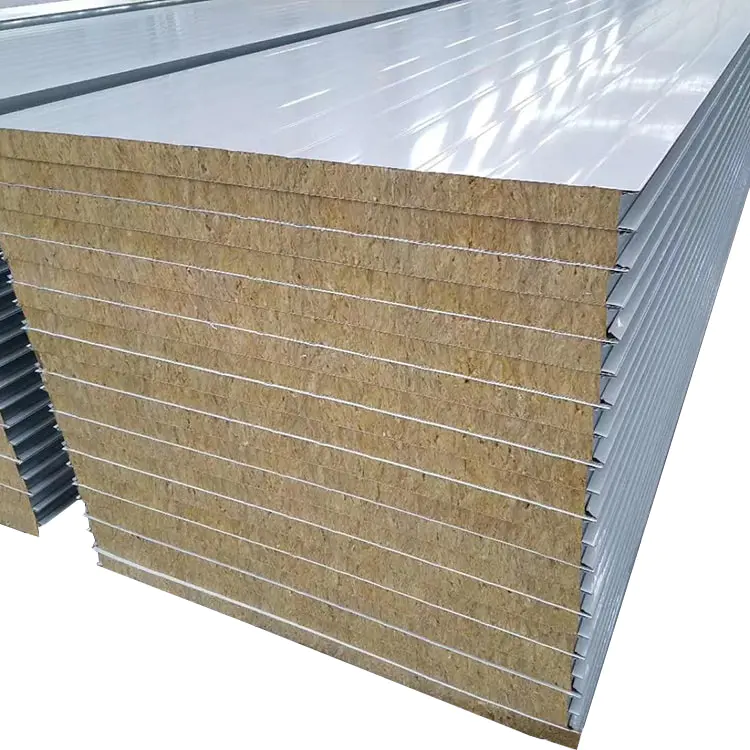
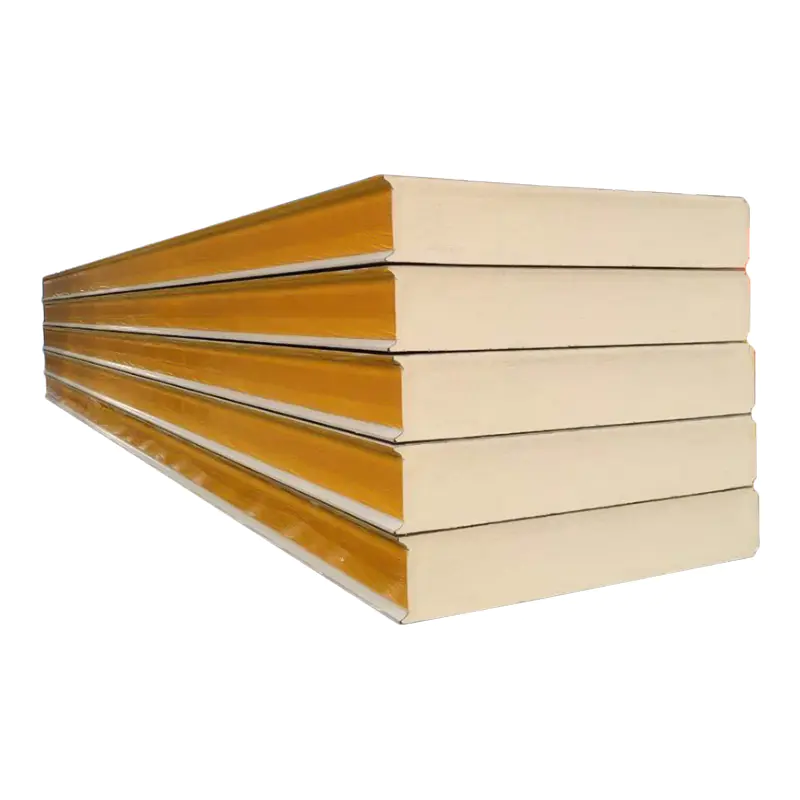
- Insulation Needs: Metal conducts heat and cold efficiently, which can lead to higher energy costs if not properly insulated. Modern insulation techniques, such as spray foam or insulated panels, can mitigate this issue.
- Acoustic Considerations: Without proper soundproofing, metal structures may amplify noise. Acoustic panels, carpeting, and other materials can improve sound quality.
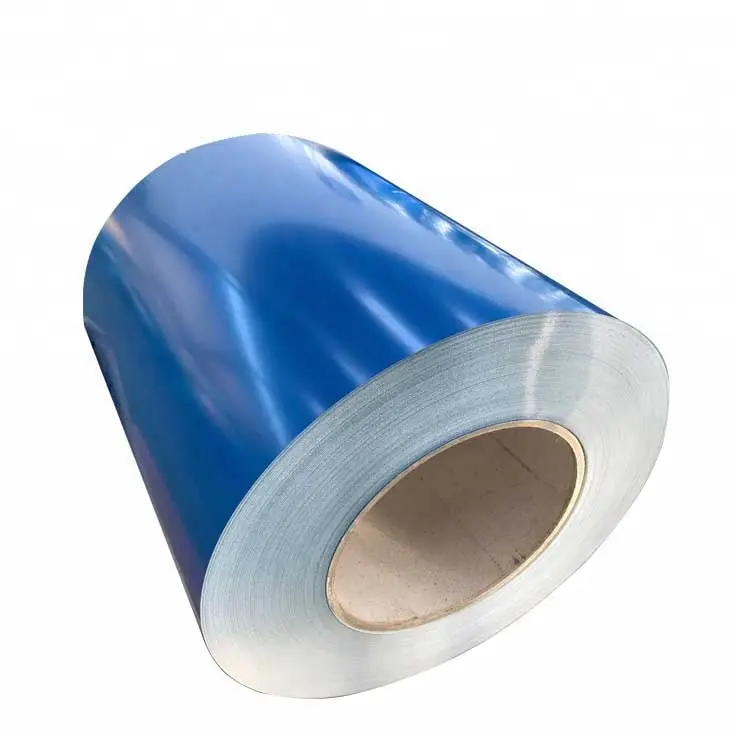
- Aesthetic Concerns: Some people prefer the traditional look of brick or wood. However, metal structures can be designed with exterior finishes, cladding, and paint to achieve diverse aesthetics.
- Permitting and Zoning: In some areas, local building codes and homeowners’ associations may restrict the use of metal structures for residential projects.
Design Options for Residential Metal Buildings
Modern Minimalist Homes
Metal building structures lend themselves to sleek, minimalist designs with open layouts, large glass windows, and industrial-chic interiors. These designs emphasize functionality and modern aesthetics.
Hybrid Designs
Combining metal building structures with wood, brick, or stone accents can soften the industrial appearance, creating a warm and inviting residential environment while retaining the durability of metal.
Custom Modular Homes
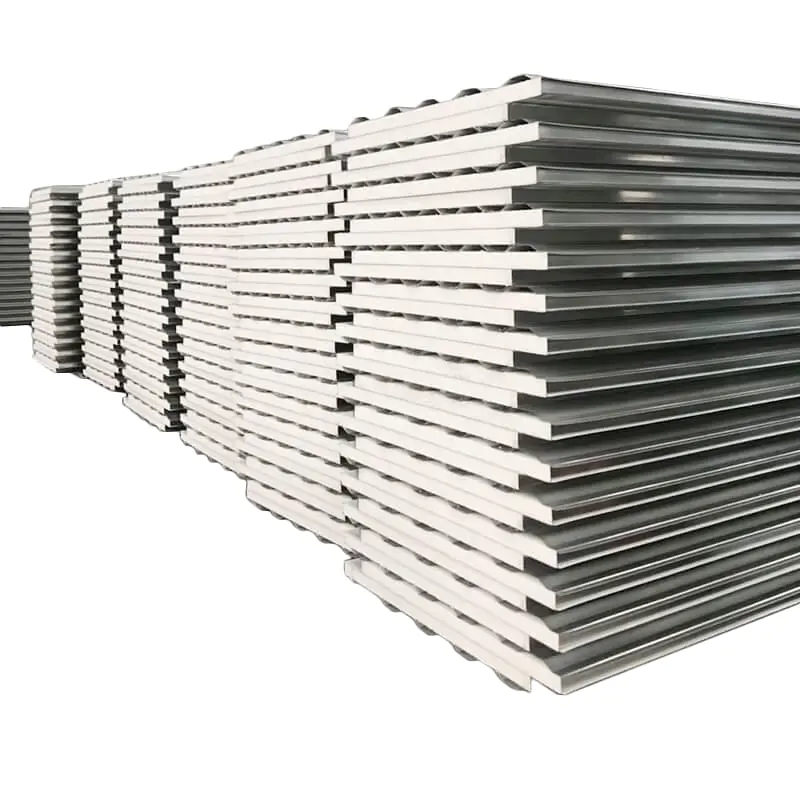
Prefabricated metal panels allow for modular construction. Homeowners can expand or reconfigure spaces efficiently, making these structures ideal for families seeking long-term adaptability.
Cost and Construction Time Analysis
Using a metal building structure for residential projects often reduces overall construction time. Prefabricated components arrive ready for assembly, cutting labor hours and minimizing delays. While the initial material costs may be similar or slightly higher than traditional wood, the longevity, low maintenance, and energy efficiency often result in lower total lifetime costs.
Metal Building Structures vs. Modular Wooden Homes
- Durability: Metal outperforms wood in extreme weather resistance and lifespan.
- Adaptability: Both modular designs allow for flexibility, but metal panels are easier to modify or expand.
- Maintenance: Metal requires minimal upkeep; wood requires regular treatment to prevent decay and pest damage.
- Cost: Modular wooden homes may be cheaper initially, but metal structures offer better long-term savings.
Frequently Asked Questions (FAQ)
Can a metal building structure be insulated for comfort?
Yes. Modern insulation materials such as spray foam, rigid panels, or insulated metal panels can ensure year-round comfort while maintaining energy efficiency.
Are metal homes prone to rust?
High-quality metal building structures use galvanized or coated steel that resists corrosion. Proper maintenance and protective coatings further extend their lifespan.
Can metal structures withstand extreme weather?
Yes. Steel frames can endure high winds, heavy snow, and seismic activity, often outperforming traditional wood-frame homes in durability tests.
Do metal buildings look industrial?
Not necessarily. Exterior finishes, cladding, paint, and architectural design can create a wide variety of aesthetics, from modern minimalist to traditional styles.
Is it cost-effective to use metal for residential projects?
While initial costs may vary, the reduced construction time, low maintenance, energy efficiency, and longevity generally make metal building structures a cost-effective choice over the long term.
Conclusion
Metal building structures are increasingly viable for residential projects due to their durability, design flexibility, and cost efficiency. While challenges such as insulation, acoustics, and aesthetics exist, modern construction techniques and creative architectural designs can overcome these issues. Comparing metal homes with traditional wood or brick structures demonstrates that metal offers significant advantages in longevity, adaptability, and maintenance. With proper planning, a metal building structure can serve as a comfortable, stylish, and sustainable residential solution for modern homeowners.