English
 русский
 Español
- Enhancing Durability and Safety with Metal Building Structures in Harsh Environments
- Why Metal Building Structures Are Ideal for Harsh Environments
- Comparison with Traditional Building Materials
- Applications of Metal Building Structures
- Installation and Design Considerations
- Environmental and Sustainability Benefits
- FAQs About Metal Building Structures
- Conclusion
Enhancing Durability and Safety with Metal Building Structures in Harsh Environments
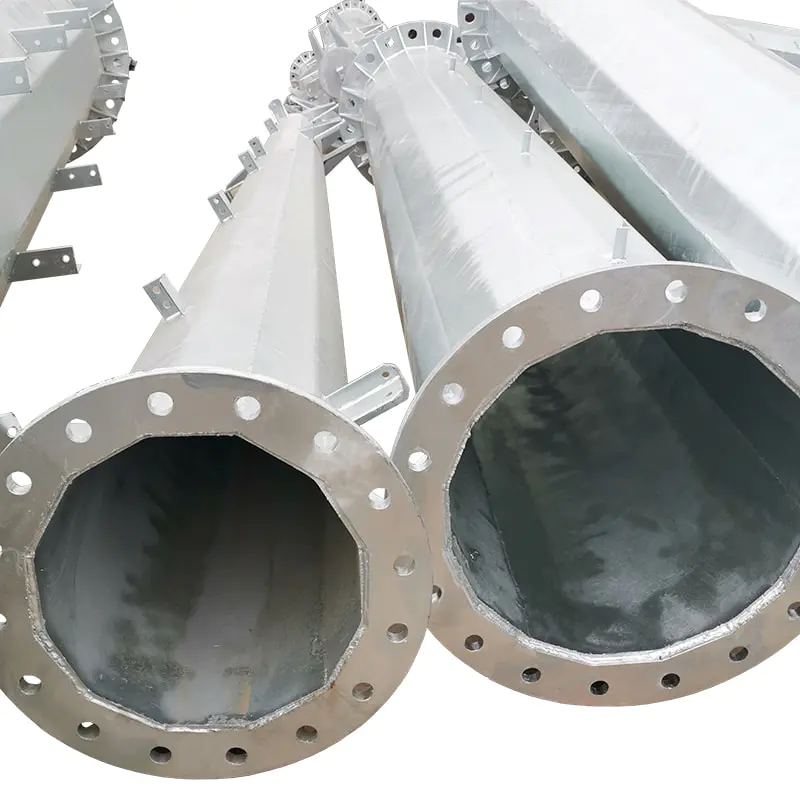
In modern construction, Metal Building Structure has emerged as a reliable solution for industrial, commercial, and residential projects that face extreme weather conditions and challenging environmental factors. Designed to withstand heavy loads, high winds, and corrosive elements, these structures provide a long-lasting, safe, and cost-effective alternative to traditional building materials.
Why Metal Building Structures Are Ideal for Harsh Environments
Metal Building Structures are engineered with precision to offer superior strength and resilience. The inherent properties of steel, aluminum, and other metals make them highly resistant to environmental stressors such as:
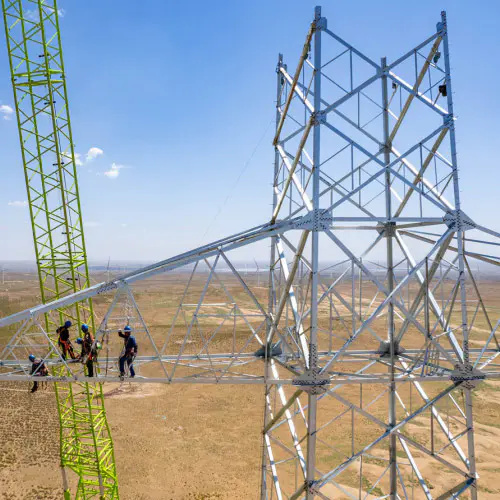
- High winds: Strong wind-resistant frameworks prevent structural failure during storms and hurricanes.
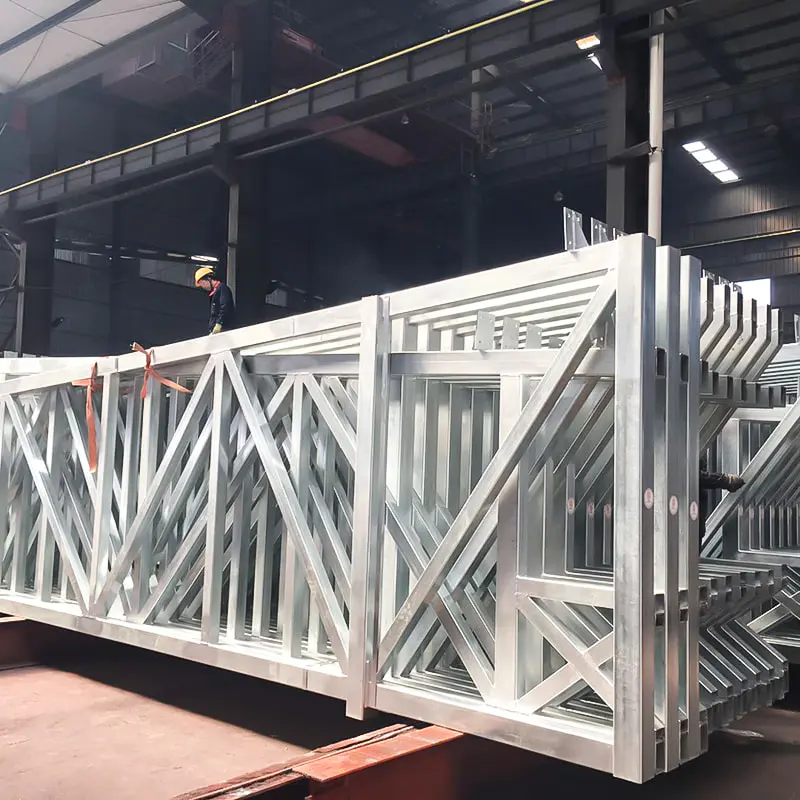
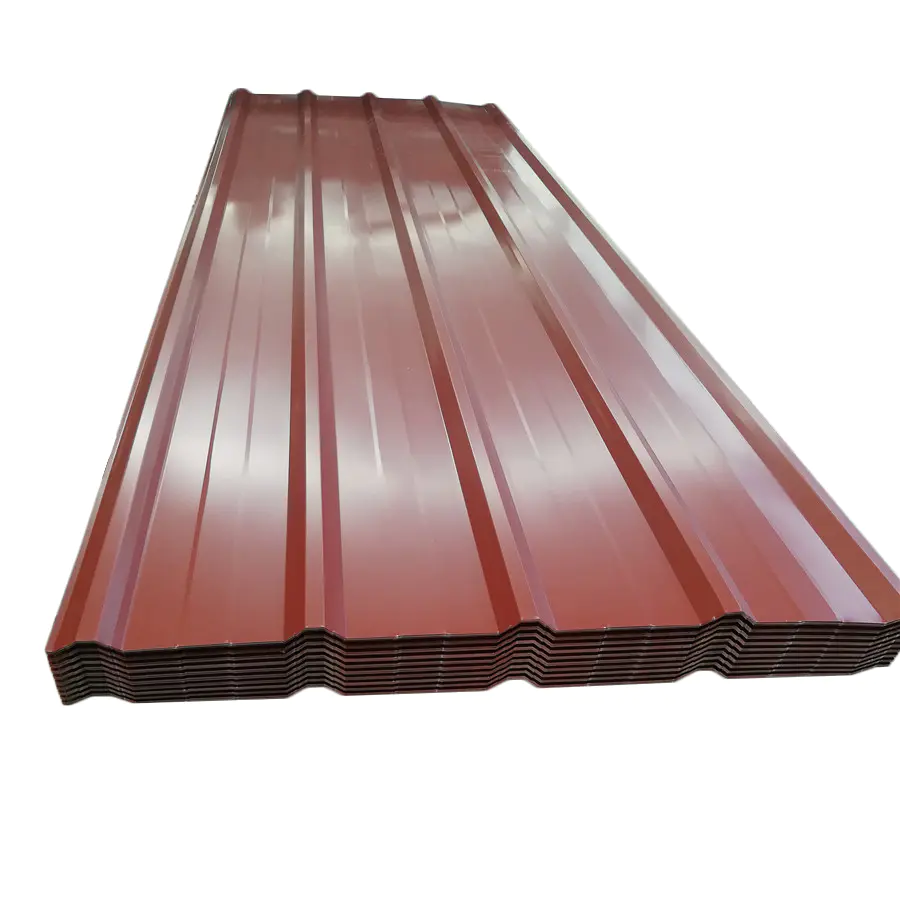
- Heavy snow loads: Metal roofs and trusses distribute weight evenly, reducing the risk of collapse.
- Seismic activity: Flexible metal joints absorb vibrations better than brittle materials like concrete.
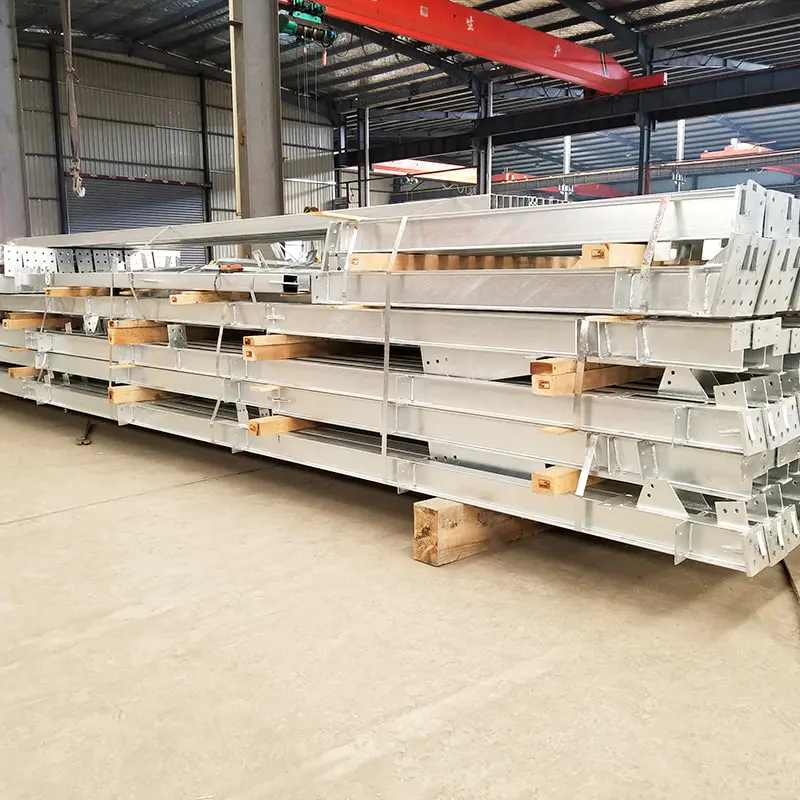
- Corrosion and moisture: Galvanized and coated metals resist rust and decay, even in coastal or humid regions.
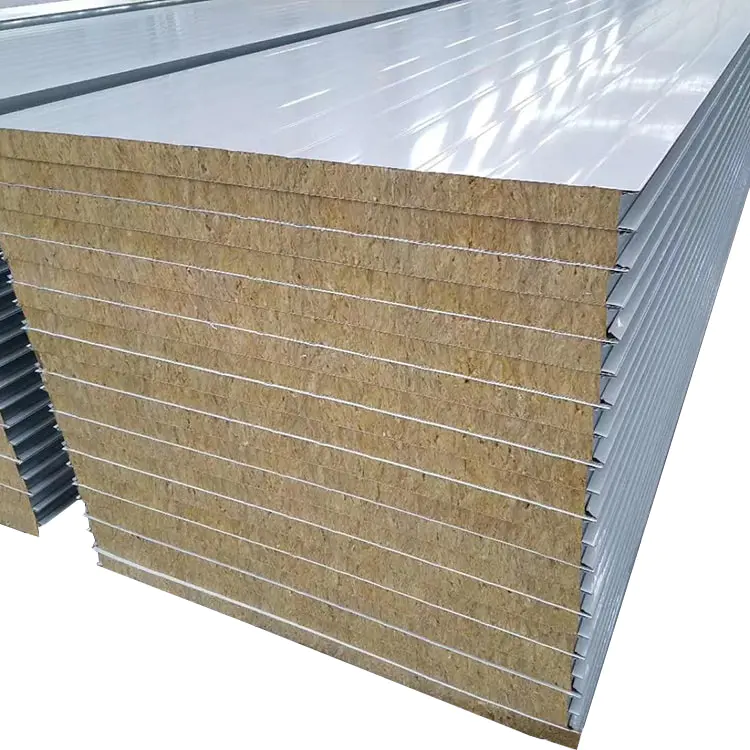
- Fire hazards: Metal components are non-combustible, providing enhanced fire safety.
Structural Strength and Longevity
One of the key advantages of a Metal Building Structure is its unmatched durability. Unlike traditional wood or concrete constructions, metal frameworks maintain integrity over decades without significant wear or warping. The strength-to-weight ratio of steel allows engineers to create wide spans without internal supports, providing more usable space while ensuring stability.
Corrosion Resistance and Maintenance Benefits
Modern metal building solutions incorporate protective coatings such as galvanization, powder coating, and paint systems that prevent corrosion even under harsh environmental conditions. This feature significantly reduces maintenance costs and ensures long-term performance. Compared to traditional materials like timber, which requires frequent treatment, or concrete, which may crack over time, metal structures offer a practical and sustainable option.
Comparison with Traditional Building Materials
| Feature | Metal Building Structure | Wood/Concrete Structure |
|---|---|---|
| Durability | High; resists decay, pests, and fire | Moderate; susceptible to rot, termites, and cracks |
| Load-Bearing Capacity | Excellent; supports heavy snow, wind, and seismic forces | Variable; may require additional reinforcements |
| Maintenance | Low; requires minimal inspections and treatment | High; frequent inspections, repairs, and treatments needed |
| Fire Resistance | Non-combustible; excellent fire safety | Combustible; prone to fire damage |
| Lifespan | 50+ years | 20–40 years depending on conditions |
Applications of Metal Building Structures
Metal Building Structures are widely used across multiple industries due to their versatility and reliability in harsh environments. Common applications include:
- Industrial warehouses: Metal structures provide large, open spaces with high durability for heavy machinery and storage.
- Agricultural facilities: Resistant to corrosion and pests, metal barns and silos maintain food safety and structural integrity.
- Commercial buildings: Metal frameworks allow rapid construction while ensuring safety and compliance with local codes.
- Coastal and offshore structures: Galvanized and coated metals resist saltwater corrosion, making them ideal for docks and marine facilities.
- Residential projects: Modern designs use metal frames for earthquake-resistant homes and fire-safe urban buildings.
Installation and Design Considerations
While Metal Building Structures offer numerous advantages, proper planning and installation are crucial. Key considerations include:
- Foundation: Ensure strong concrete footings to anchor the metal structure and prevent settlement.
- Wind and snow load design: Customize roof pitch and bracing systems according to local climate conditions.
- Insulation and thermal expansion: Use appropriate insulation and allow for metal expansion and contraction to prevent thermal stress.
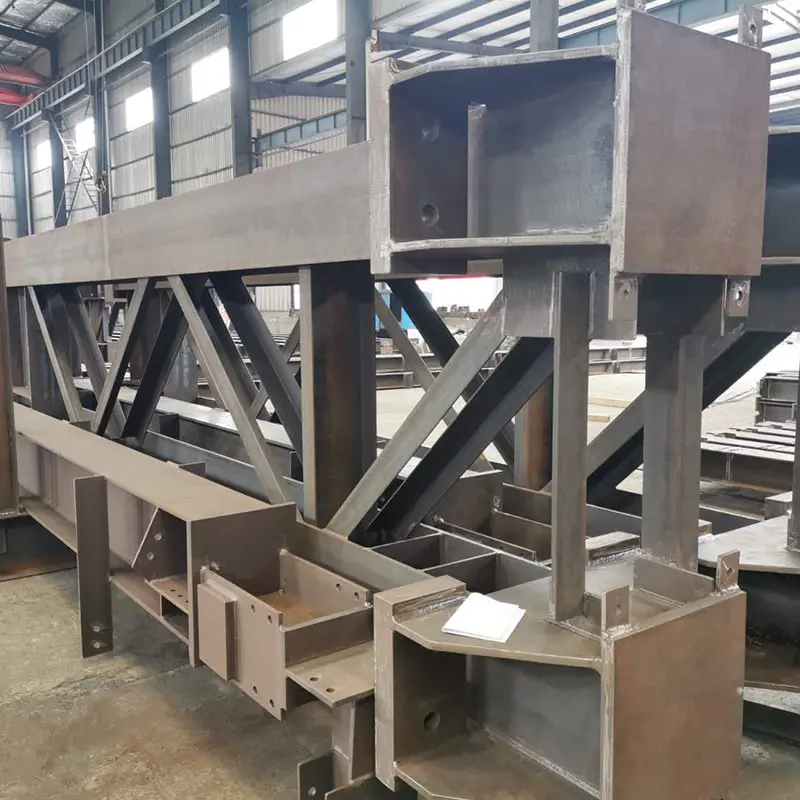
- Connection methods: Bolted and welded joints must follow engineering standards to maintain structural integrity.
Environmental and Sustainability Benefits
Metal buildings are environmentally friendly as they are highly recyclable and reduce construction waste. Using recycled steel can significantly lower the carbon footprint of a project, making metal structures an attractive option for sustainable construction initiatives.
FAQs About Metal Building Structures
1. How long does a metal building structure last?
With proper maintenance and protective coatings, a Metal Building Structure can last 50 years or more, often outlasting wood or concrete buildings under the same environmental conditions.
2. Are metal buildings safe in earthquakes?
Yes, metal structures are highly flexible and can absorb seismic forces better than brittle materials, reducing the risk of structural failure.
3. How does a metal building handle extreme weather?
Metal buildings are designed to withstand high winds, heavy snow, and rain. The strength and load-bearing capacity of steel frameworks make them ideal for harsh climates.
4. Is maintenance expensive for metal structures?
Maintenance is generally low, limited to inspections and occasional recoating. Compared to wood or concrete buildings, long-term upkeep costs are significantly lower.
5. Can metal buildings be customized?
Absolutely. Modern Metal Building Structures allow for flexible designs, including multi-story layouts, large spans, and aesthetic finishes suitable for industrial, commercial, and residential use.
Conclusion
In harsh environmental conditions, a Metal Building Structure stands out as a durable, safe, and cost-effective construction solution. From industrial warehouses to coastal facilities, metal buildings provide superior strength, fire resistance, low maintenance, and long-term performance. Compared to traditional materials, they offer clear advantages in safety, lifespan, and sustainability, making them an increasingly preferred choice for modern construction projects worldwide.