English
 русский
 Español
In recent years, Metal Building Structures have moved beyond their traditional role in industrial and commercial projects and are now becoming a mainstream choice in residential construction. From single-family homes to modern villas, backyard studios, and multi-unit housing, metal-based structures are redefining how people think about durability, design, and sustainability in housing.
Driven by advances in engineering, growing environmental awareness, and changing lifestyle needs, homeowners and developers alike are recognizing the long-term value that metal construction offers. Compared with conventional wood or concrete buildings, metal residential structures provide unique advantages that align well with modern living expectations.
- What Are Metal Building Structures?
- Key Reasons Behind the Growing Popularity of Metal Building Structures
- Sustainability and Environmental Advantages
- Metal Building Structures vs Traditional Residential Construction
- Common Residential Applications of Metal Building Structures
- Challenges and Considerations
- Future Outlook for Metal Building Structures in Residential Markets
- Frequently Asked Questions (FAQ)
- Conclusion: A Practical and Forward-Looking Housing Solution
What Are Metal Building Structures?
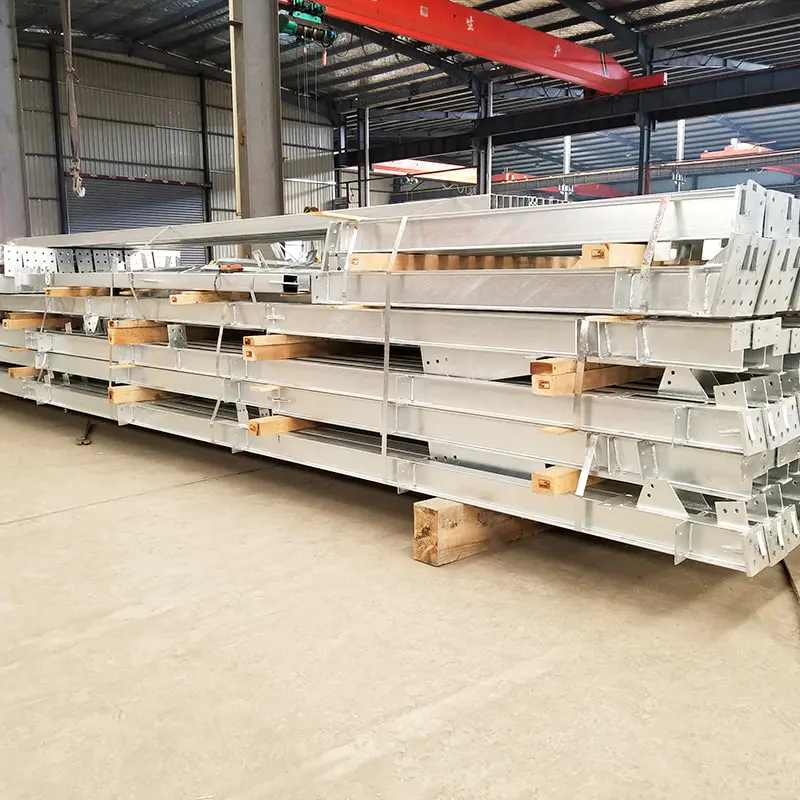
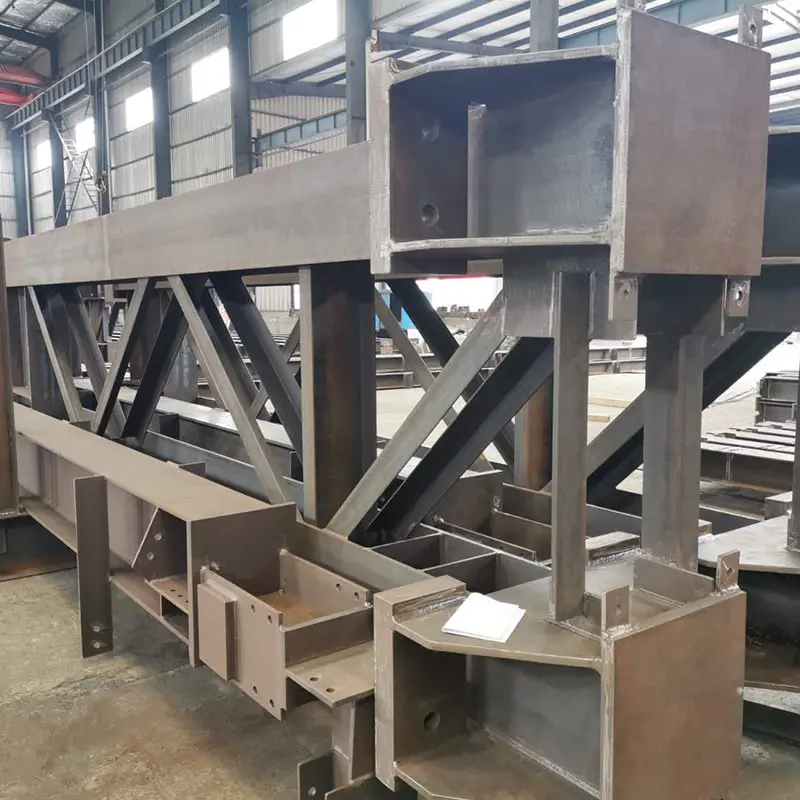
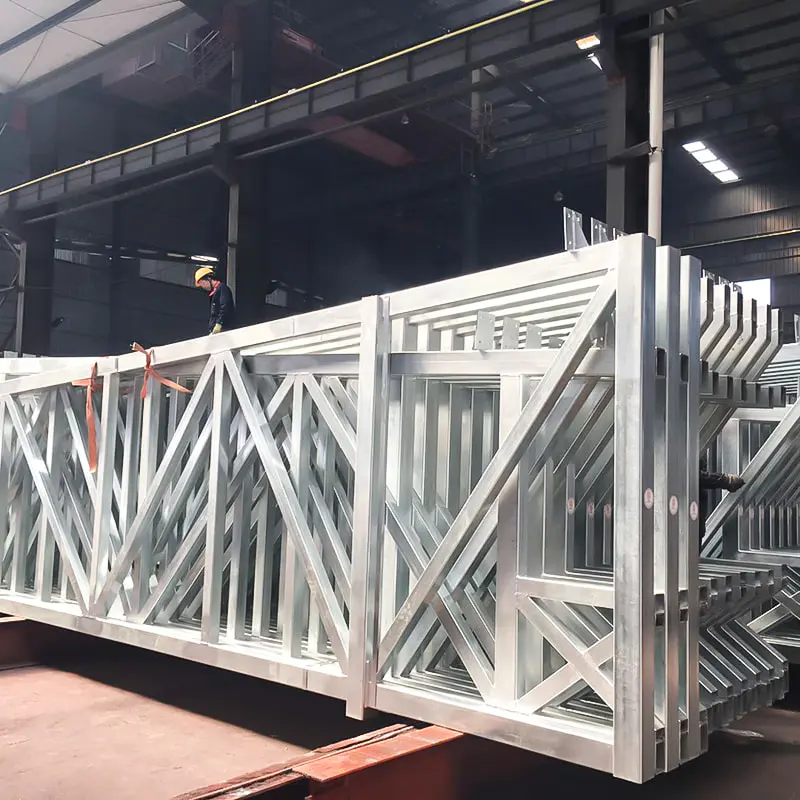
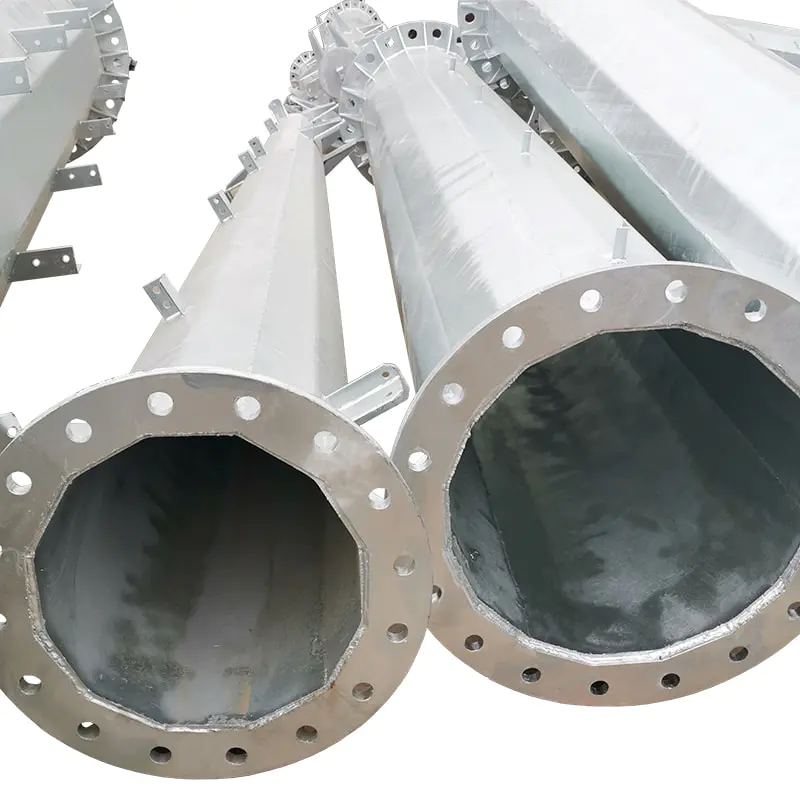
Metal Building Structures refer to buildings whose primary load-bearing framework is made of steel or other metal components. These structures typically consist of prefabricated steel frames, columns, beams, and panels that are manufactured off-site and assembled on location.
Common Types of Metal Used
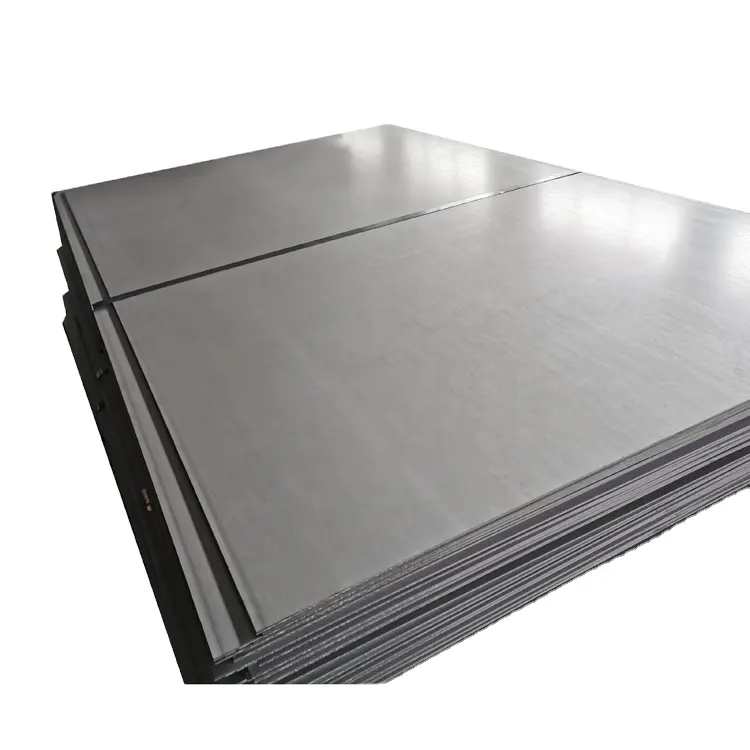
- Structural Steel: Known for high strength and load capacity
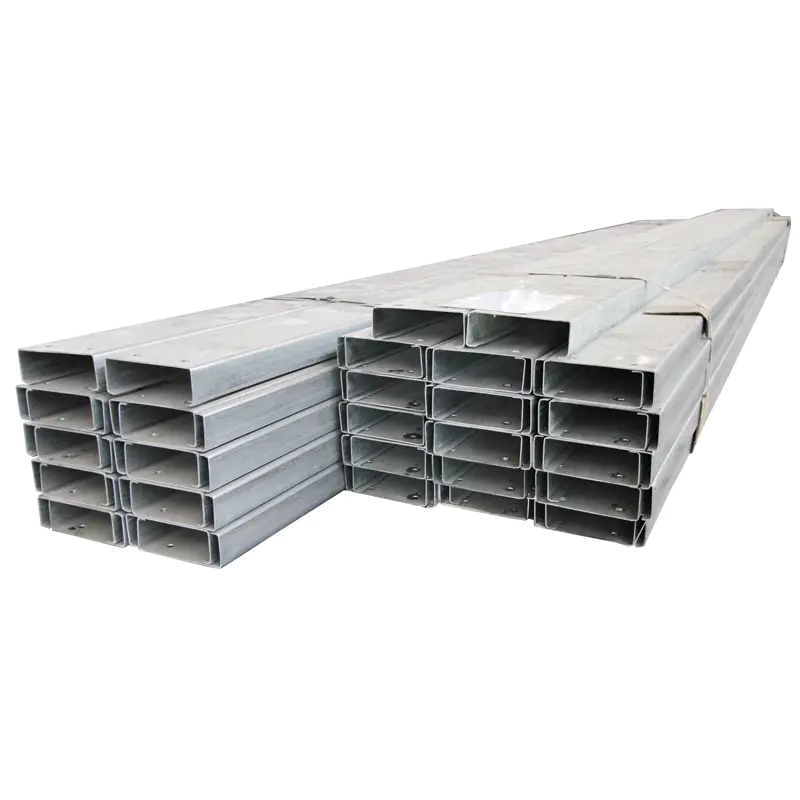
- Cold-Formed Steel: Lightweight and commonly used in residential framing
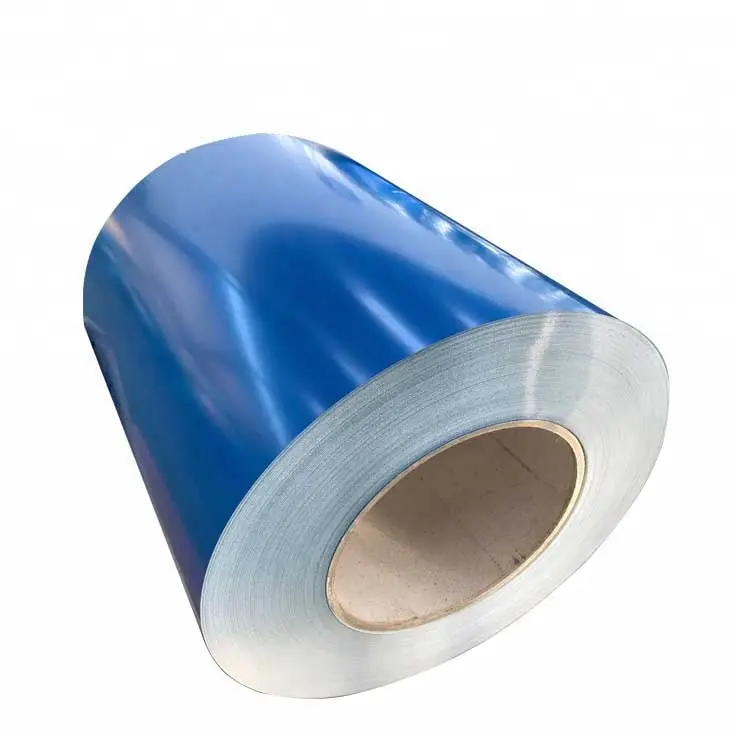
- Galvanized Steel: Corrosion-resistant for long-term durability
Modern metal homes often integrate insulation systems, exterior cladding, and interior finishes that make them visually indistinguishable from traditional houses.
Key Reasons Behind the Growing Popularity of Metal Building Structures
Exceptional Durability and Structural Strength
One of the strongest drivers behind the adoption of Metal Building Structures in residential construction is their outstanding durability. Steel does not warp, crack, or rot over time, making it highly resistant to common structural issues.
- Resistant to termites and pests
- Excellent performance in high winds and seismic zones
- High fire resistance compared to wood framing
In regions prone to hurricanes, earthquakes, or extreme weather, metal homes provide a level of safety and reliability that traditional materials often struggle to match.
Long-Term Cost Efficiency
Although the initial construction cost of metal residential buildings may be slightly higher in some markets, the long-term savings are significant. Metal structures require less maintenance and offer longer service life.
- Lower repair and replacement costs
- Reduced insurance premiums due to fire and weather resistance
- Minimal structural degradation over decades
For homeowners focused on lifecycle costs rather than short-term expenses, metal construction presents a compelling economic case.
Faster Construction Time
Prefabrication is a major advantage of Metal Building Structures. Structural components are manufactured in controlled factory environments, ensuring precision and consistency.
- Shorter on-site construction schedules
- Reduced labor requirements
- Less weather-related construction delays
Faster project completion translates into lower labor costs and quicker occupancy, which is particularly appealing in residential developments with tight timelines.
Design Flexibility and Modern Aesthetics
Contrary to outdated perceptions, metal homes are not limited to industrial appearances. Modern architectural techniques allow metal structures to support a wide range of residential designs.
- Open floor plans with fewer load-bearing walls
- Large windows and high ceilings
- Compatibility with wood, glass, stone, and composite finishes
This flexibility enables homeowners to achieve contemporary, minimalist, or even traditional styles while benefiting from a metal structural core.
Sustainability and Environmental Advantages
Recyclability and Resource Efficiency
Sustainability is a growing concern in residential construction, and Metal Building Structures perform exceptionally well in this area. Steel is one of the most recycled materials in the world.
- High recycled content in structural steel
- Fully recyclable at the end of building life
- Reduced construction waste due to precise fabrication
These factors help reduce the environmental footprint of residential projects.
Energy Efficiency Compatibility
Metal structures integrate well with advanced insulation systems and energy-efficient building envelopes.
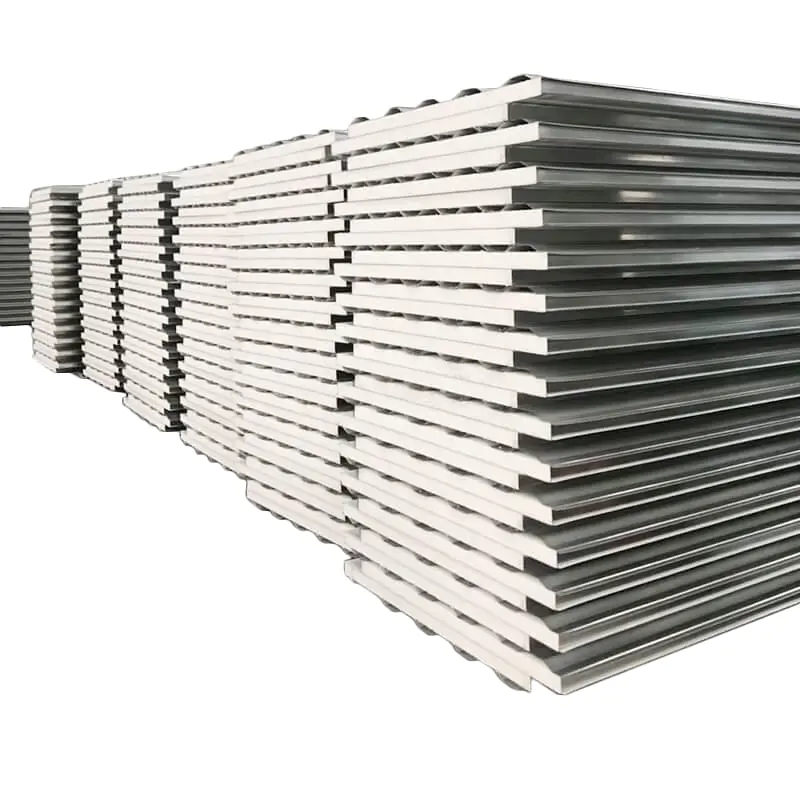
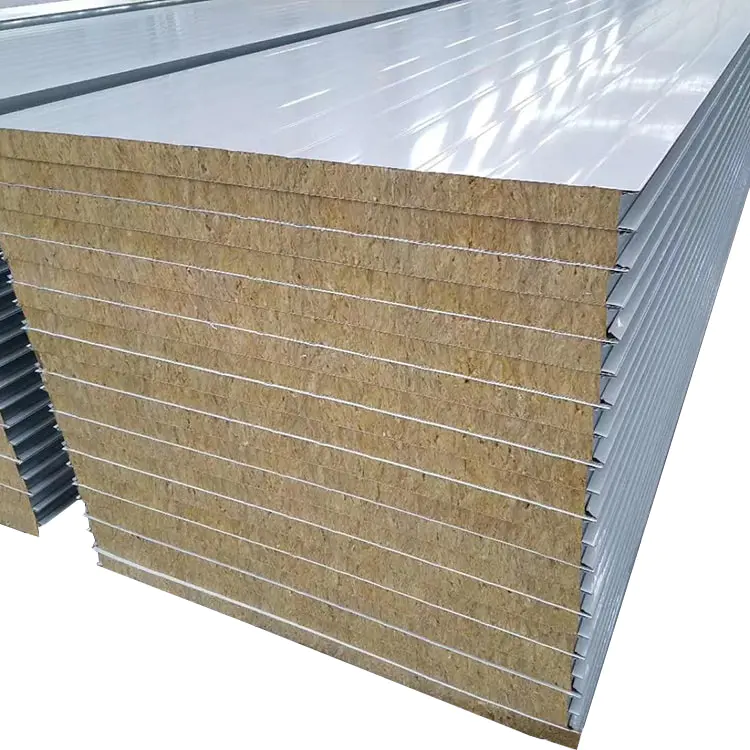
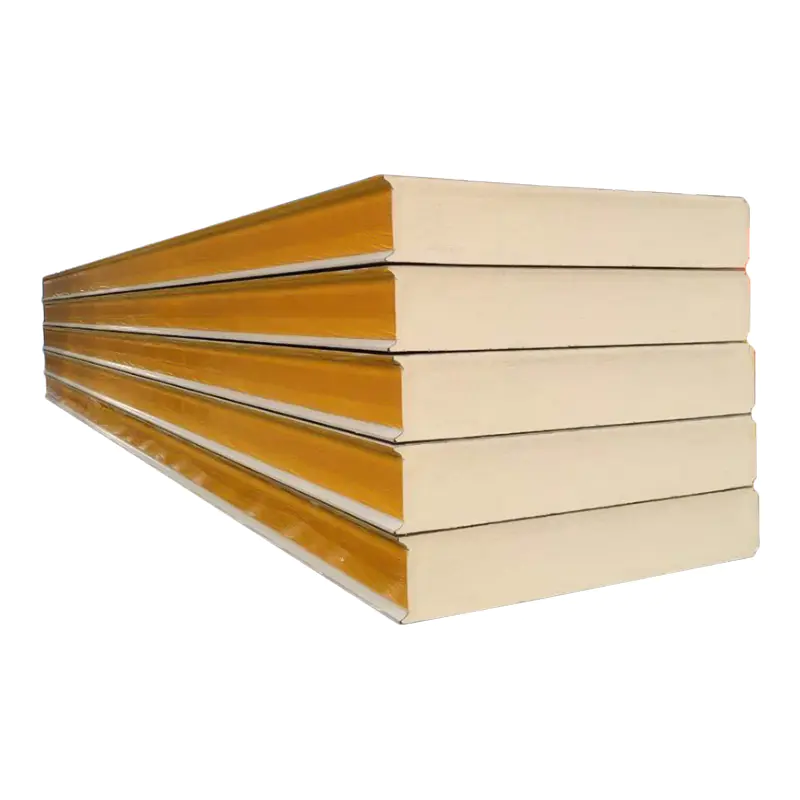
- High-performance insulated wall panels
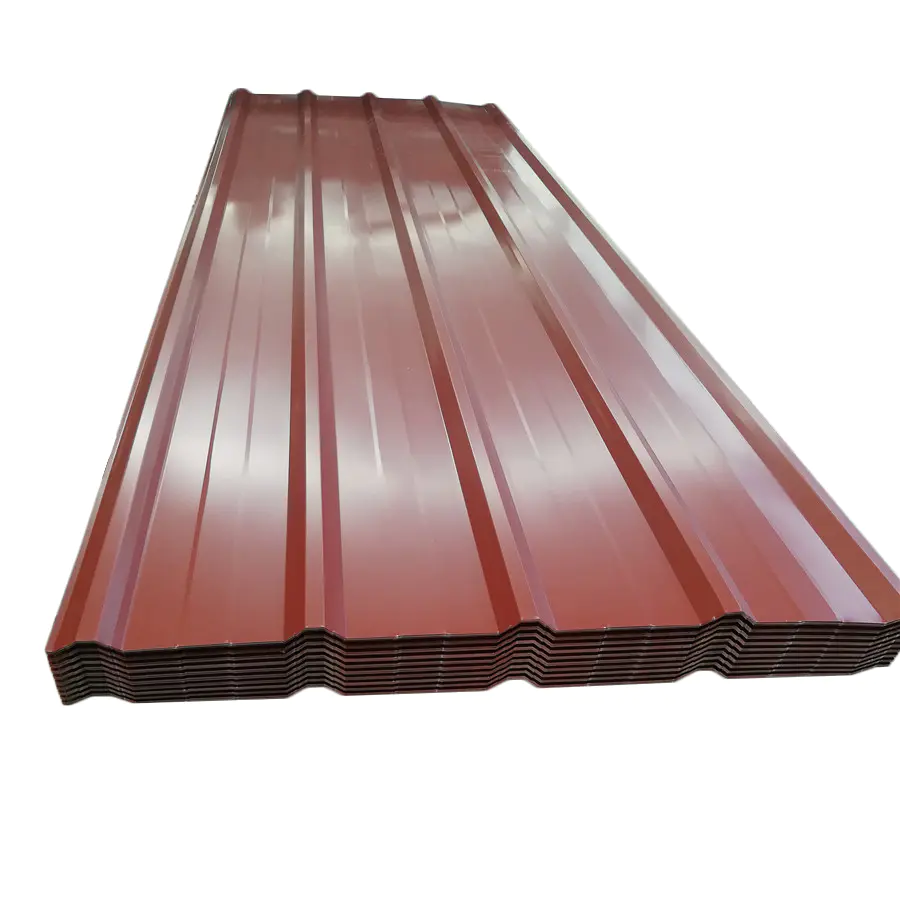
- Reflective roofing systems to reduce heat gain
- Easy integration of solar panels and green technologies
When properly designed, metal homes can meet or exceed modern energy efficiency standards.
Metal Building Structures vs Traditional Residential Construction
Comparison with Wood-Framed Houses
- Durability: Metal outperforms wood in resistance to pests and moisture
- Fire Safety: Metal is non-combustible
- Maintenance: Wood requires regular treatment and repairs
While wood remains popular for its familiarity, metal offers a more predictable and stable structural performance over time.
Comparison with Concrete Structures
- Weight: Metal structures are lighter, reducing foundation requirements
- Construction Speed: Faster assembly compared to poured concrete
- Flexibility: Easier future modifications or expansions
Concrete provides excellent compressive strength, but metal excels in adaptability and speed.
Common Residential Applications of Metal Building Structures
Single-Family Homes
Metal framing is increasingly used in custom homes, offering open layouts and long spans.
Accessory Dwelling Units (ADUs)
Prefabricated metal structures are ideal for backyard guest houses and rental units.
Townhouses and Multi-Unit Housing
Consistency, speed, and structural reliability make metal attractive for residential developments.
Vacation Homes and Modular Housing
Transportable metal components simplify construction in remote or challenging locations.
Challenges and Considerations
Initial Cost Perception
Upfront costs may appear higher, but lifecycle savings often offset this difference.
Thermal and Acoustic Design
Proper insulation and soundproofing are essential to ensure comfort in metal homes.
Local Building Codes and Expertise
Availability of experienced designers and builders varies by region, influencing adoption speed.
Future Outlook for Metal Building Structures in Residential Markets
As housing demands evolve, Metal Building Structures are well-positioned to address key challenges such as affordability, sustainability, and resilience. Innovations in modular construction, smart home integration, and green building materials are further enhancing their appeal.
Urban densification, climate adaptation, and labor shortages are also pushing the construction industry toward systems that prioritize efficiency and reliability—areas where metal construction excels.
Frequently Asked Questions (FAQ)
Are metal residential buildings safe to live in?
Yes. Properly designed metal structures meet or exceed residential safety standards for wind, seismic, and fire resistance.
Do metal homes look industrial?
No. Exterior and interior finishes allow metal homes to match almost any architectural style.
Are Metal Building Structures suitable for cold or hot climates?
With appropriate insulation and thermal design, metal homes perform well in both extreme heat and cold.
How long do metal residential structures last?
When properly maintained, metal structures can last 50 years or more with minimal structural degradation.
Can metal homes be expanded or remodeled?
Yes. Metal framing allows easier modifications compared to many traditional building systems.
Conclusion: A Practical and Forward-Looking Housing Solution
The growing popularity of Metal Building Structures in residential construction reflects a broader shift toward smarter, stronger, and more sustainable building solutions. By combining durability, design flexibility, and long-term value, metal construction is no longer an alternative option—it is becoming a preferred choice for modern residential development.