English
 русский
 Español
- Overview: Why Metal Building Structures Are Gaining Attention
- Key Ways Metal Building Structures Improve Energy Efficiency
- How Metal Building Structures Drive Cost Savings
- Comparison: Metal Building Structures vs. Traditional Concrete and Wood Buildings
- FAQs About Metal Building Structures and Energy Efficiency
- Conclusion: A Smart Choice for Sustainable and Cost-Efficient Construction
Overview: Why Metal Building Structures Are Gaining Attention
Metal Building Structures have become a preferred choice across industrial, commercial, and even residential sectors thanks to their durability, flexibility, and strong economic value. Beyond structural advantages, these buildings also play a significant role in improving energy efficiency and reducing long-term operational costs.
Key Ways Metal Building Structures Improve Energy Efficiency
1. Superior Insulation Capabilities
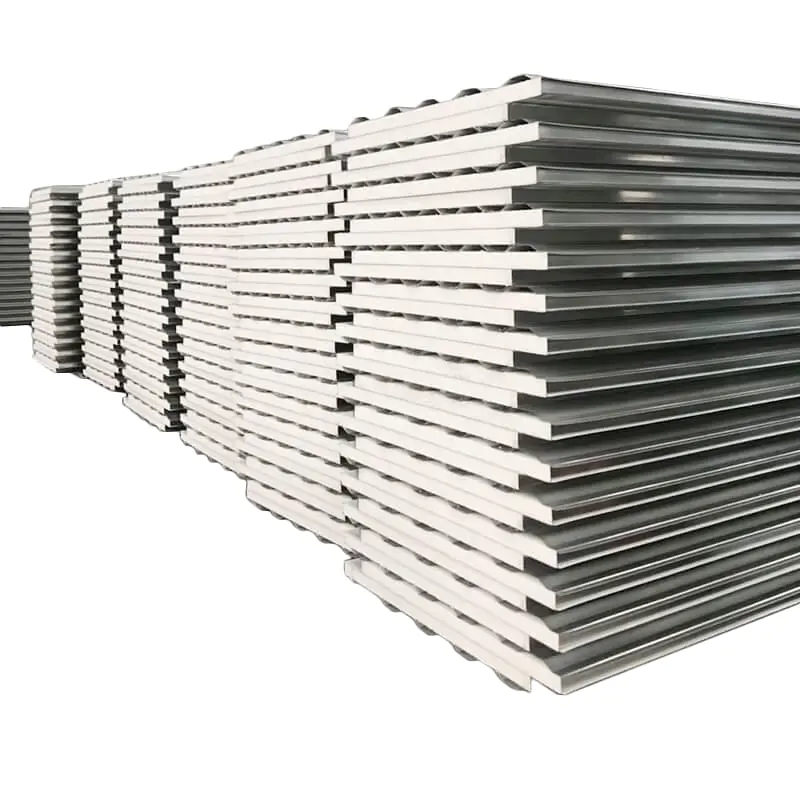
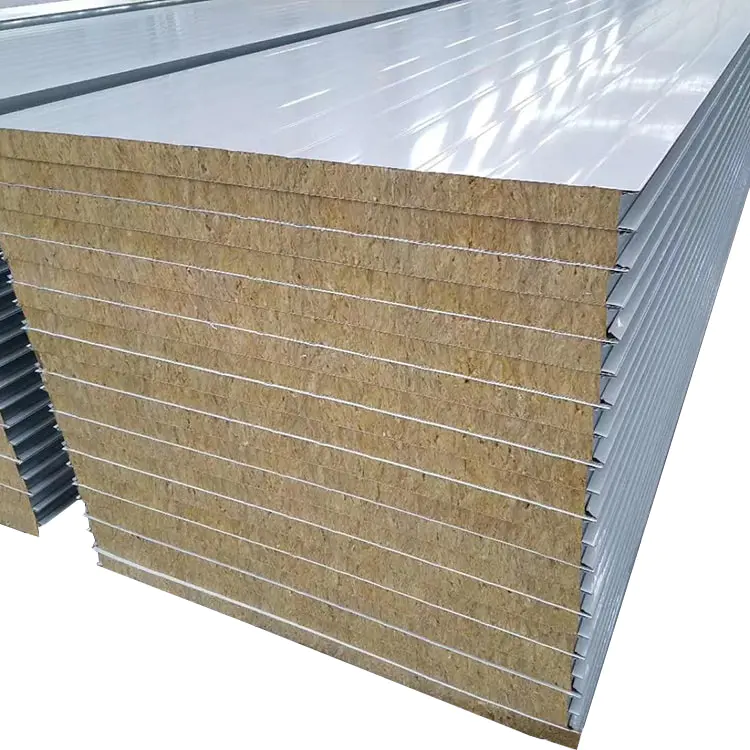
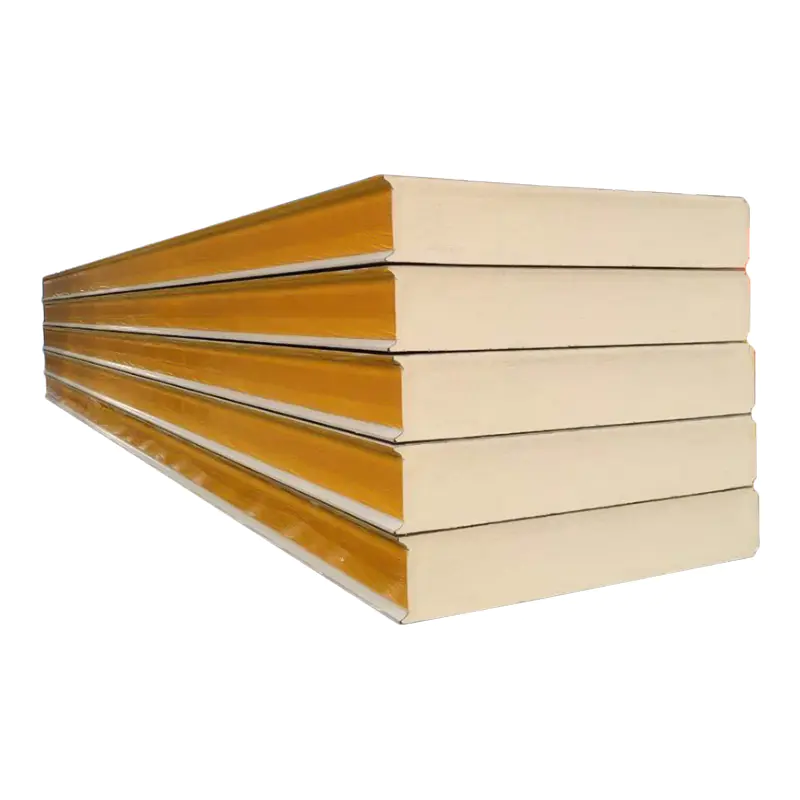
The design of modern Metal Building Structures allows the integration of advanced insulation systems such as rigid board insulation, spray foam, and insulated metal panels. These materials help maintain stable indoor temperatures, reducing the load on HVAC systems.
- Minimizes heat transfer through walls and roofs
- Enhances overall thermal performance
- Contributes to lower heating and cooling expenses
2. Reflective Roofing for Heat Reduction
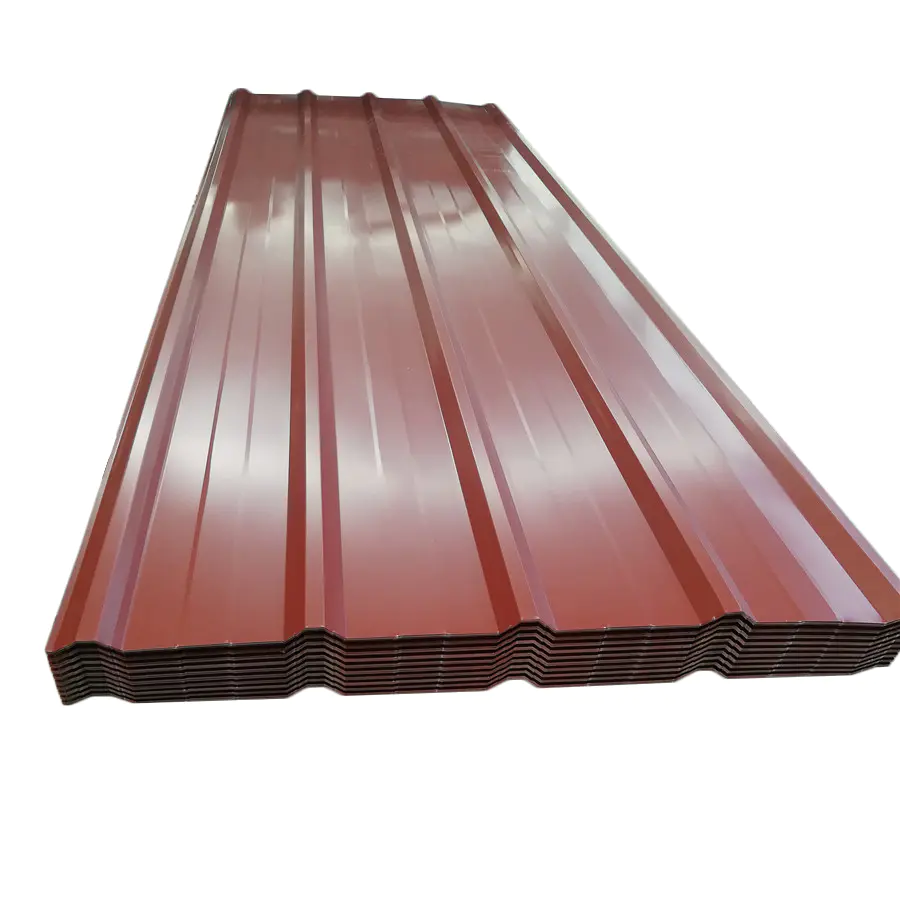
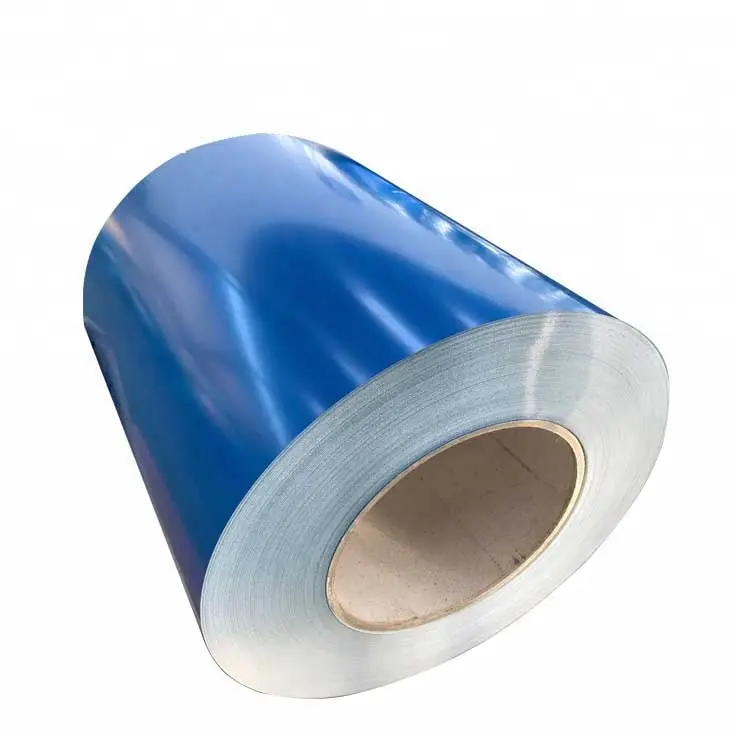
Metal roofs naturally reflect a high percentage of solar radiation. When combined with cool-roof coatings, they can reduce heat absorption dramatically, improving indoor comfort while cutting cooling costs.
3. Reduced Air Leakage
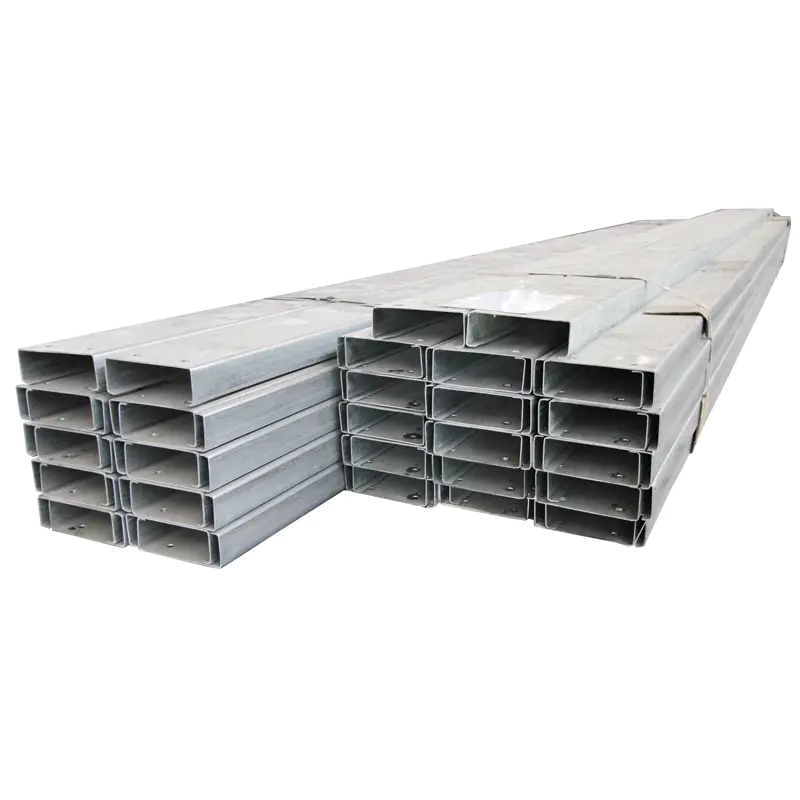
Compared with traditional wood construction, steel framing offers tighter connections and fewer gaps. This reduces air infiltration and enhances energy retention, especially in climates with extreme temperature variations.
4. Effective Use of Natural Light
Metal Building Structures can easily incorporate skylights, translucent panels, and large window systems. Increased natural lighting reduces dependency on artificial lighting and lowers electricity bills.
How Metal Building Structures Drive Cost Savings
1. Long-Term Durability and Reduced Maintenance
Steel is resistant to rot, termites, mold, warping, and weather damage, resulting in lower maintenance costs throughout the building’s lifespan.
2. Faster Construction Time
Prefabricated components speed up project schedules, reducing labor and installation costs. Shorter construction periods also mean earlier operation and revenue generation.
3. Lower Energy Bills
Enhanced insulation, reflective surfaces, and optimized airflow help significantly reduce monthly energy costs, offering long-term financial benefits.
4. Recyclability and Material Savings
Steel is one of the most recyclable building materials in the world. Its recyclability helps reduce material waste and environmental impact, while also lowering disposal and replacement expenses.
Comparison: Metal Building Structures vs. Traditional Concrete and Wood Buildings
| Feature | Metal Building Structures | Traditional Buildings |
|---|---|---|
| Energy Efficiency | High; excellent insulation and reflective roofing | Moderate; can require additional insulation |
| Construction Speed | Fast due to prefabricated components | Slower, labor-intensive |
| Maintenance Cost | Low | Higher due to wood rot, concrete cracking, etc. |
| Material Longevity | Excellent; corrosion-resistant options available | Varies; susceptible to pests and environmental wear |
| Environmental Impact | Recyclable materials reduce waste | Higher waste and less recyclability |
FAQs About Metal Building Structures and Energy Efficiency
Does a metal building get hotter in summer?
Not necessarily. With proper insulation and reflective roofing, heat absorption can be significantly reduced, often outperforming traditional materials.
Can Metal Building Structures support solar panels?
Yes, the strong framing of metal buildings makes them ideal for rooftop solar systems, further expanding energy-saving potential.
Are metal buildings suitable for cold climates?
Absolutely. High-quality insulation systems and airtight construction help retain heat and reduce winter energy consumption.
Is the initial cost higher than traditional buildings?
The upfront cost can be similar or lower. Additionally, lifecycle savings—through energy efficiency, low maintenance, and faster construction—often make metal buildings more cost-effective overall.
Conclusion: A Smart Choice for Sustainable and Cost-Efficient Construction
Metal Building Structures offer a combination of energy efficiency, cost savings, durability, and environmental benefits. As industries prioritize sustainability and operational savings, these structures continue to emerge as a leading building solution.