English
 русский
 Español
A Metal Building Structure is a construction framework primarily composed of steel or other metals, designed to provide robust, durable, and flexible solutions for various building needs. With the growing demand for efficient, cost-effective, and sustainable construction, metal structures have become a popular choice across residential, commercial, and industrial sectors.
Understanding Metal Building Structures
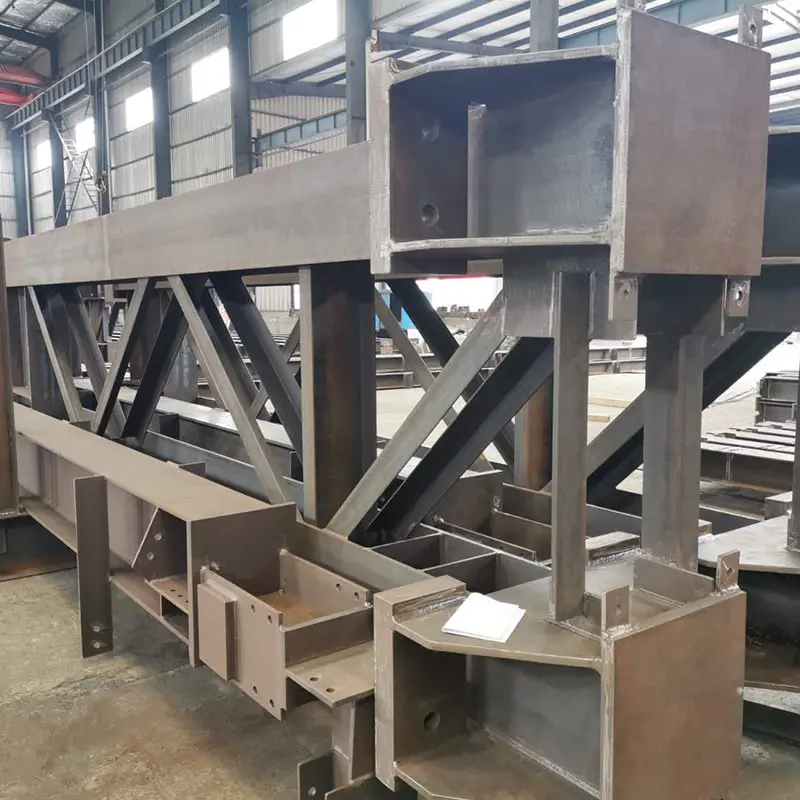
A Metal Building Structure consists of engineered components that form the skeleton of a building. These components typically include:
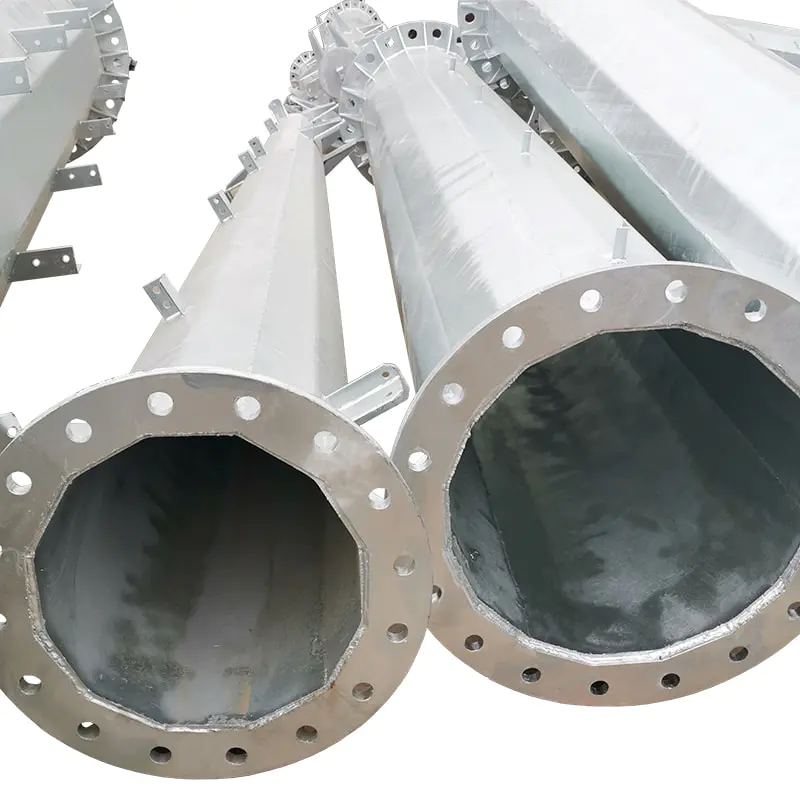
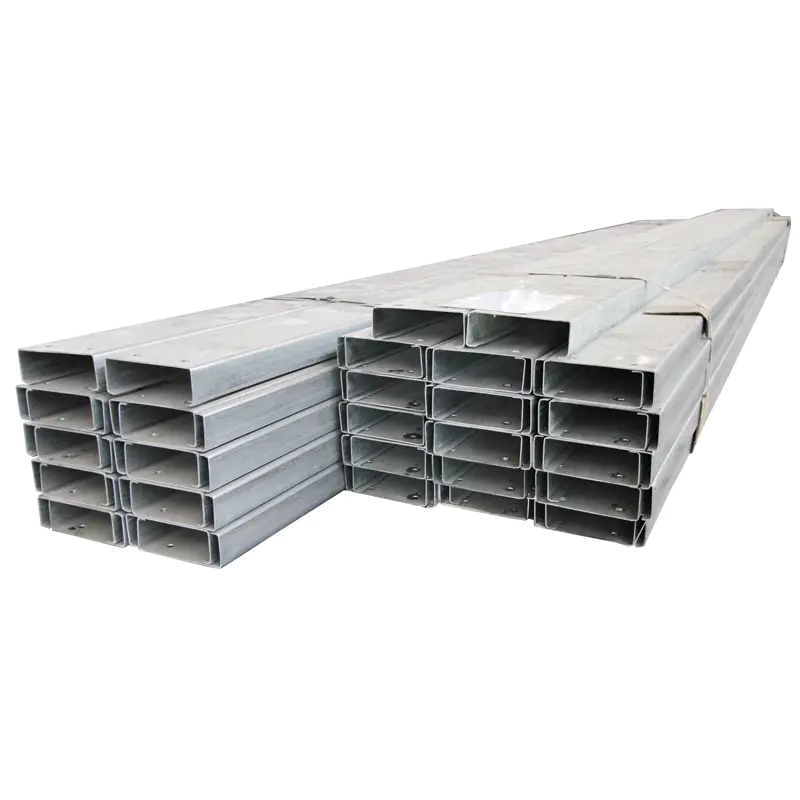
- Steel Frames: Main load-bearing framework.
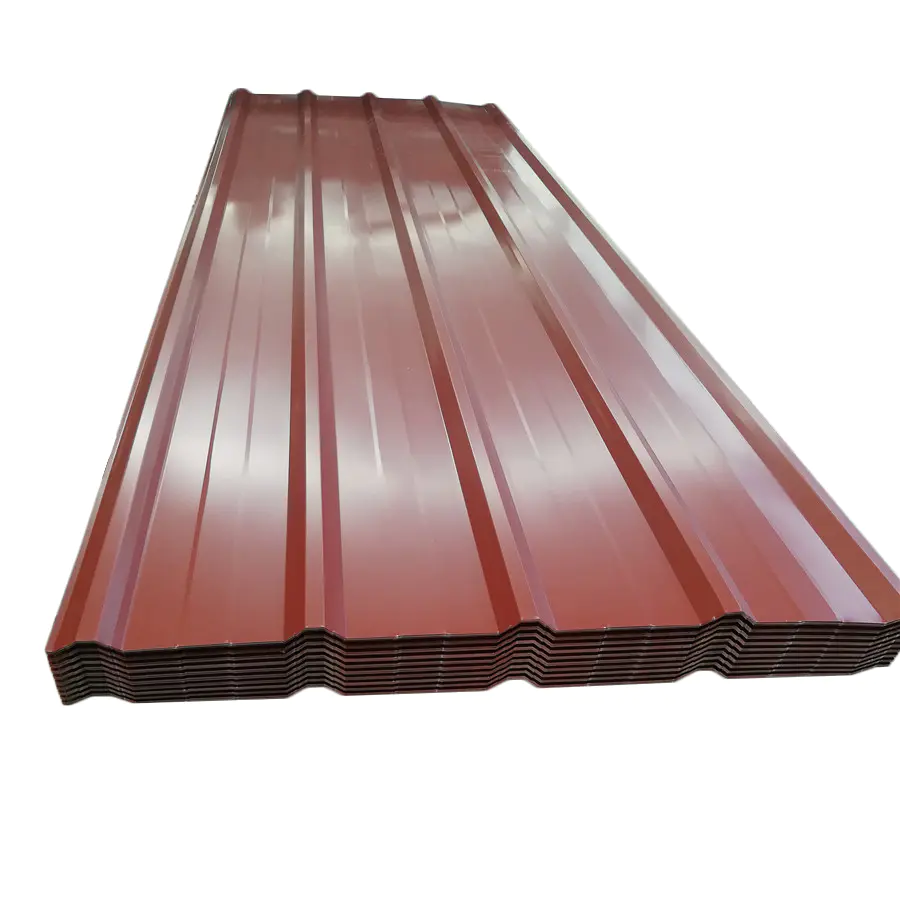
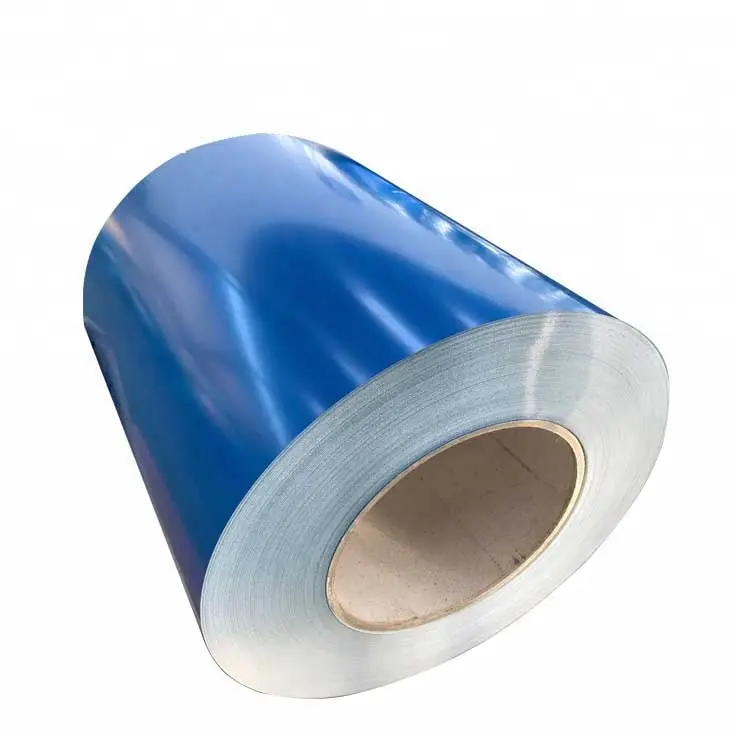
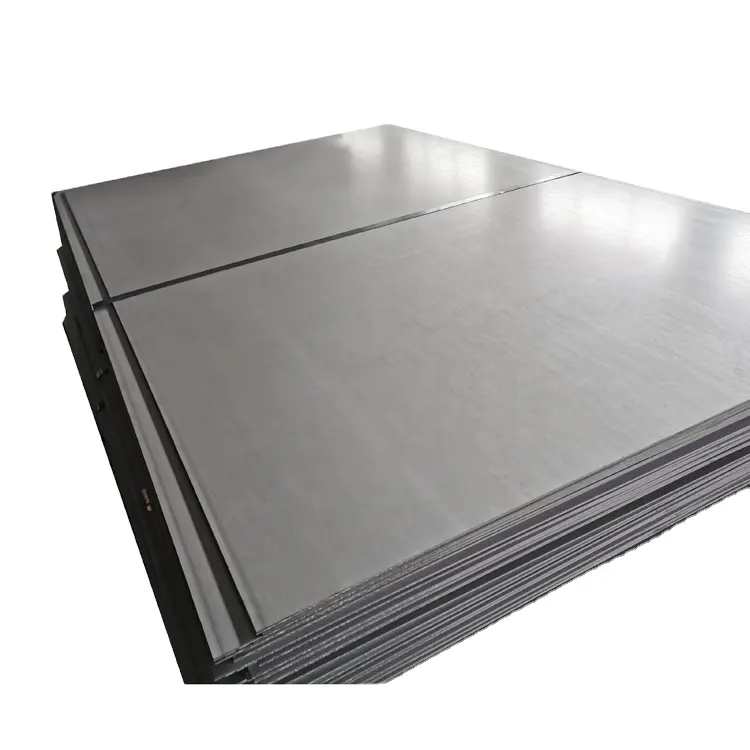
- Roofing Systems: Metal panels or sheets for weather protection.
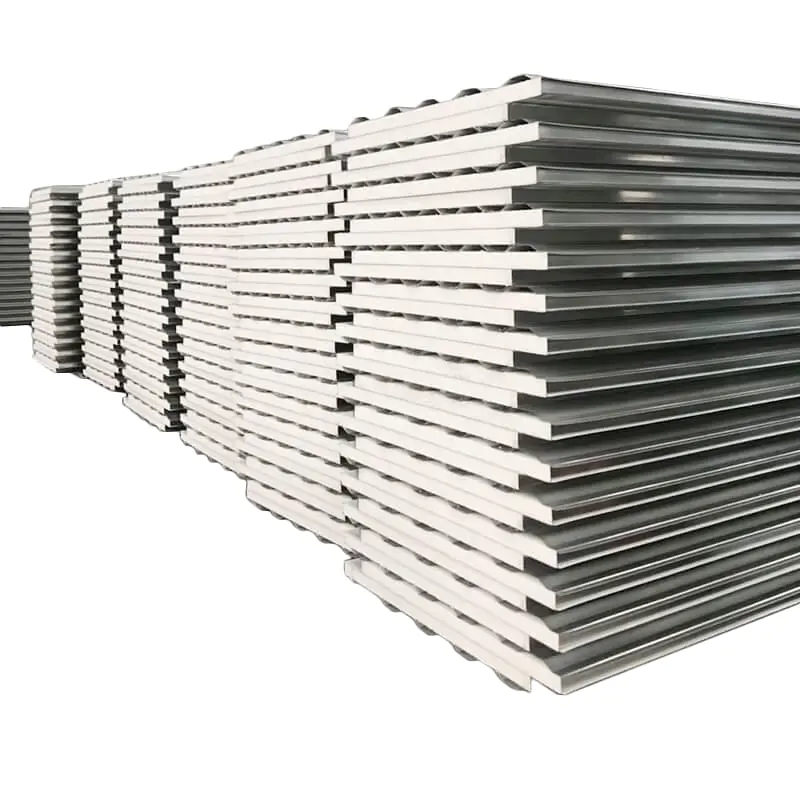
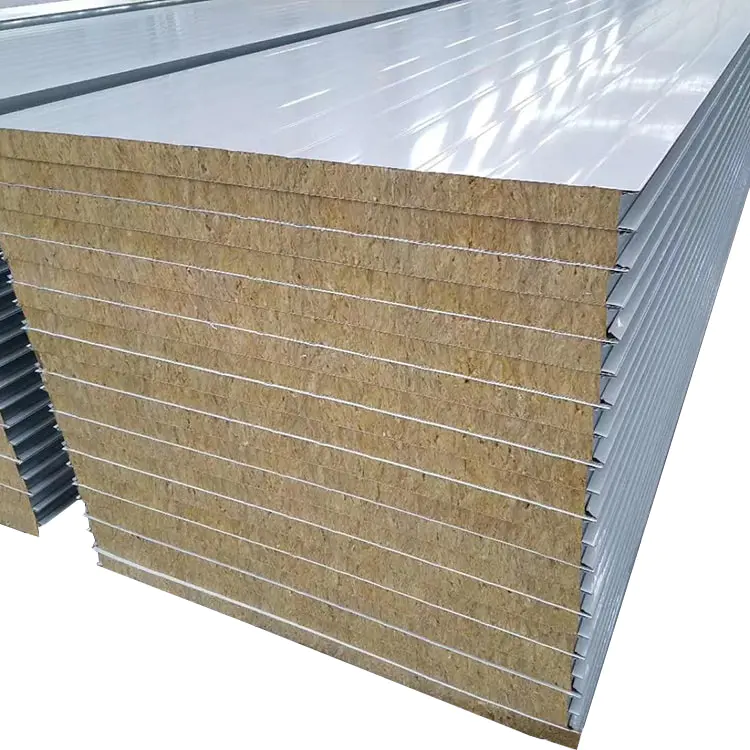
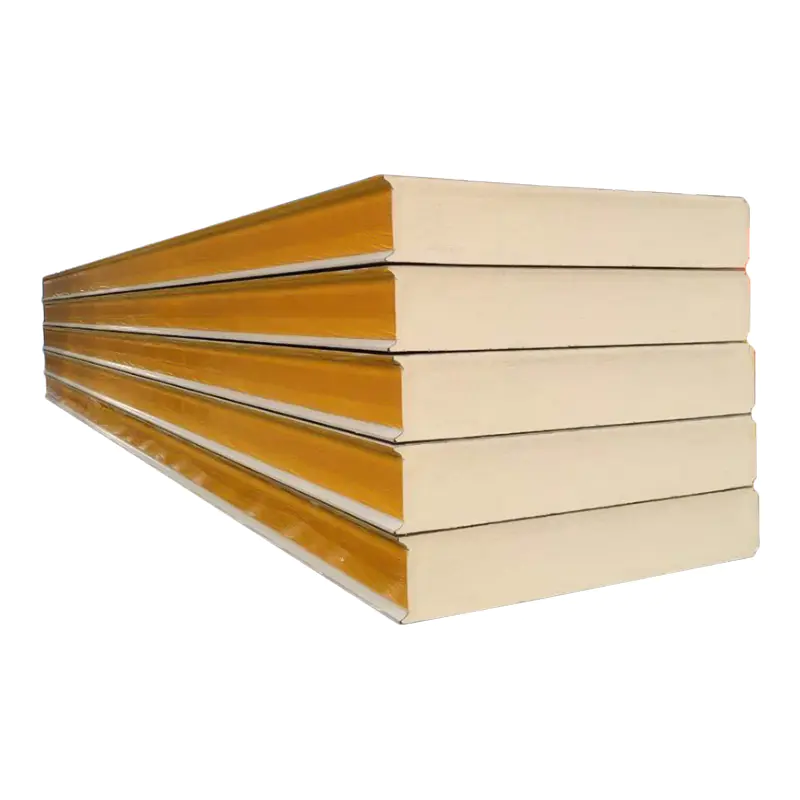
- Wall Panels: Insulated or non-insulated metal walls.
- Fasteners and Connectors: Bolts, screws, and welding elements for assembly.
- Doors and Windows: Integrated or separate metal fittings.
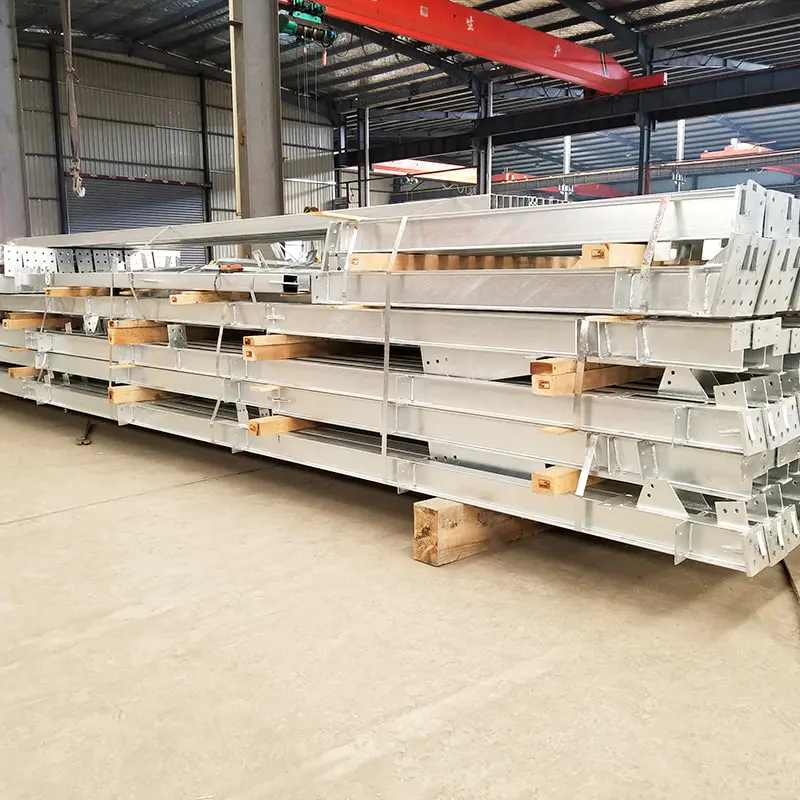
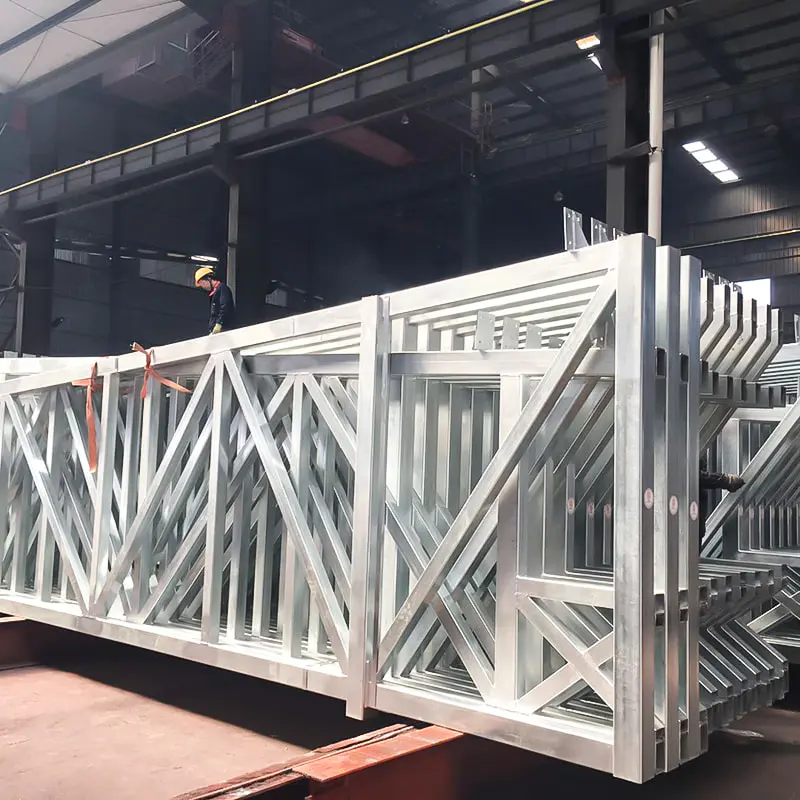
These structures are often prefabricated in factories and then transported to the construction site for assembly, which greatly reduces construction time and improves quality control.
Advantages of Metal Building Structures
1. Durability and Strength
One of the most significant advantages of a Metal Building Structure is its strength. Steel and other metals resist warping, cracking, and rotting, which ensures long-term stability. They are also highly resistant to extreme weather conditions, including strong winds, heavy snow, and earthquakes.
2. Cost-Effectiveness
Compared to traditional concrete or wood structures, metal buildings often have lower material and labor costs. Prefabrication reduces onsite labor requirements, minimizing construction time and associated expenses.
3. Speed of Construction
Since many components are manufactured offsite, Metal Building Structures can be erected in a fraction of the time required for traditional buildings. This speed is particularly beneficial for commercial and industrial projects where time is critical.
4. Sustainability
Steel and other metals are highly recyclable. Using a Metal Building Structure reduces environmental impact, and many manufacturers now offer eco-friendly and energy-efficient metal panels.
5. Design Flexibility
Metal structures provide architects and builders with considerable design flexibility. Large open spaces, high ceilings, and customized layouts are easily achievable without compromising structural integrity.
Applications of Metal Building Structures
Metal building structures are versatile and can be applied across various sectors:
1. Industrial Buildings
Factories, warehouses, and logistics centers benefit from metal structures due to their durability, low maintenance, and ability to cover large spans without internal columns.
2. Commercial Buildings
Retail outlets, office buildings, and showrooms utilize metal structures for their aesthetic appeal, quick construction, and cost efficiency.
3. Residential Construction
Modern metal homes offer durability, energy efficiency, and modern design options. Metal structures can support multi-story residential buildings while maintaining safety and flexibility.
4. Agricultural Facilities
Farms, storage facilities, and barns benefit from metal structures because of their resistance to pests, weather, and fire, while offering large unobstructed spaces.
Key Components of Metal Building Structures
1. Steel Beams and Columns
These form the primary support framework, designed to bear heavy loads and withstand environmental stresses.
2. Metal Roofing
Various roofing options, such as corrugated sheets and insulated panels, provide protection from rain, snow, and sunlight while maintaining thermal efficiency.
3. Wall Panels
Wall panels can be pre-insulated for thermal efficiency or non-insulated depending on the building’s purpose. They also offer aesthetic customization.
4. Fasteners and Connectors
High-quality bolts, screws, and welding materials ensure the building maintains structural integrity over decades.
Maintenance and Longevity
Metal Building Structures require minimal maintenance compared to traditional construction. Occasional inspections, cleaning, and protective coating applications can extend their life for 50 years or more. Steel structures are also resistant to termites, mold, and fire, reducing long-term repair costs.
Cost Considerations
The cost of a metal building structure varies depending on size, design complexity, and material choice. However, factors like reduced labor, faster construction, and low maintenance make them highly cost-effective over the building’s lifespan.
Frequently Asked Questions (FAQ)
Q1: Are metal buildings safe in extreme weather?
Yes, Metal Building Structures are engineered to withstand heavy winds, snow loads, and seismic activity. Properly designed and installed structures provide excellent safety.
Q2: Can metal buildings be insulated for energy efficiency?
Absolutely. Insulated panels or spray foam can be added to walls and roofs, ensuring energy-efficient heating and cooling.
Q3: How long does it take to construct a metal building?
Construction time is significantly shorter than traditional methods. A medium-sized warehouse can often be erected in a few weeks, depending on site preparation and complexity.
Q4: Are metal buildings customizable?
Yes. Metal structures offer flexibility in design, size, and function. Architects can create modern, open layouts or traditional designs according to project needs.
Q5: Do metal buildings require maintenance?
Minimal maintenance is needed. Routine inspections, cleaning, and touch-up coatings are usually sufficient to maintain the building’s integrity.
Future Trends in Metal Building Structures
1. Prefabrication and Modular Design
Prefabricated metal components continue to gain popularity, allowing faster and more efficient construction. Modular designs enable easy expansion or relocation of buildings.
2. Sustainability Innovations
Manufacturers are increasingly using recycled steel and eco-friendly insulation, reducing the carbon footprint of metal buildings.
3. Smart Metal Buildings
Integration of smart sensors for temperature, humidity, and structural monitoring is becoming more common, enhancing building performance and safety.
4. Advanced Coatings and Finishes
Modern coatings protect metal from corrosion, UV damage, and extreme weather, extending lifespan and improving aesthetics.
Conclusion
Metal Building Structures are transforming modern construction by offering unmatched durability, cost-effectiveness, and design flexibility. From industrial warehouses to modern residential homes, these structures deliver efficiency, sustainability, and long-term value. With ongoing innovations in materials, prefabrication, and smart technology, metal buildings are poised to become the cornerstone of future construction projects worldwide.