English
 русский
 Español
The modern construction industry constantly seeks cost-effective, durable, and flexible solutions for industrial and commercial projects. Among the various options available, Metal Building Structure has emerged as a leading choice. Its unique characteristics make it highly attractive for warehouses, factories, retail spaces, and office complexes. Understanding its benefits, limitations, and comparisons with traditional construction methods can help stakeholders make informed decisions.
What Is a Metal Building Structure?
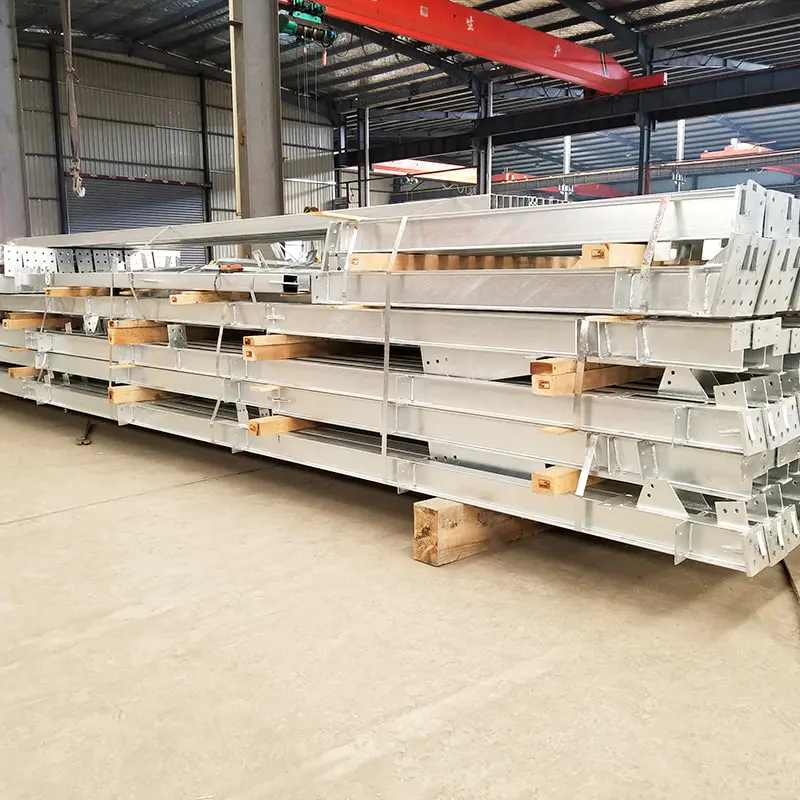
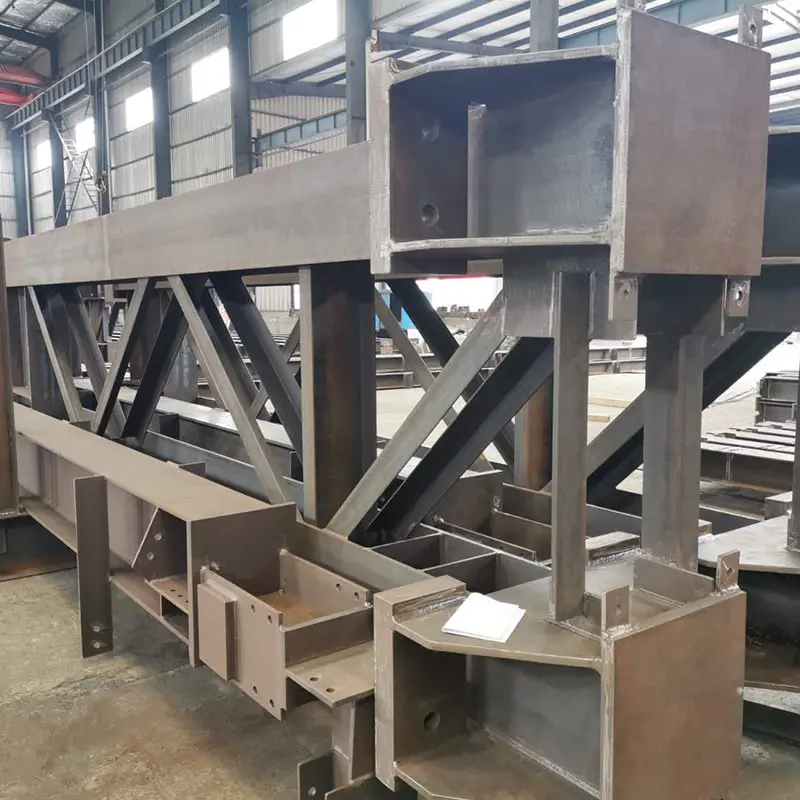
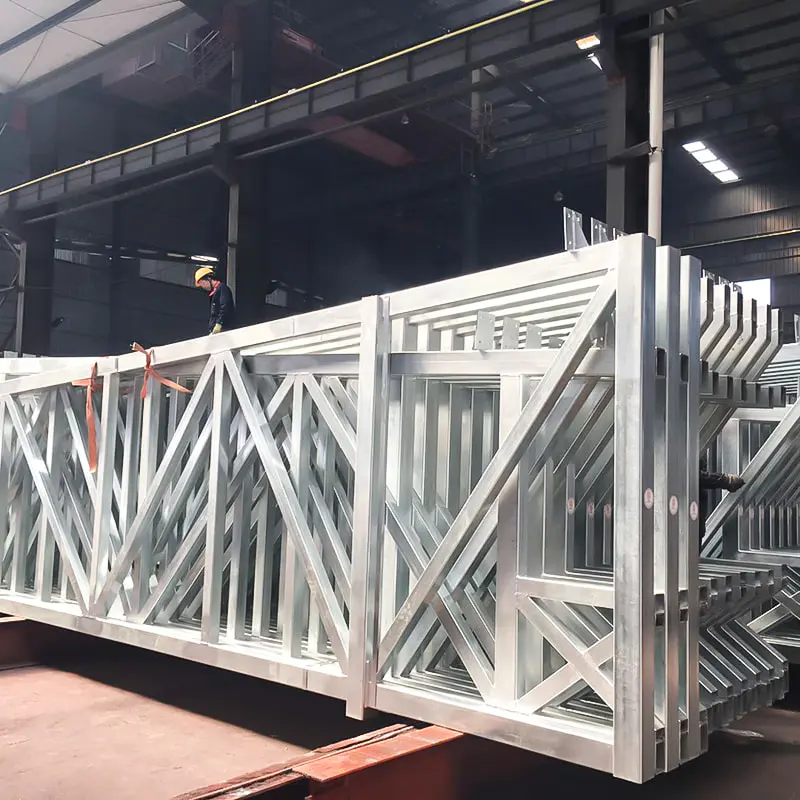
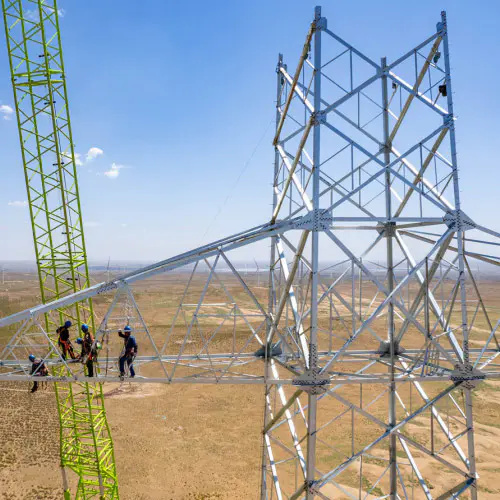
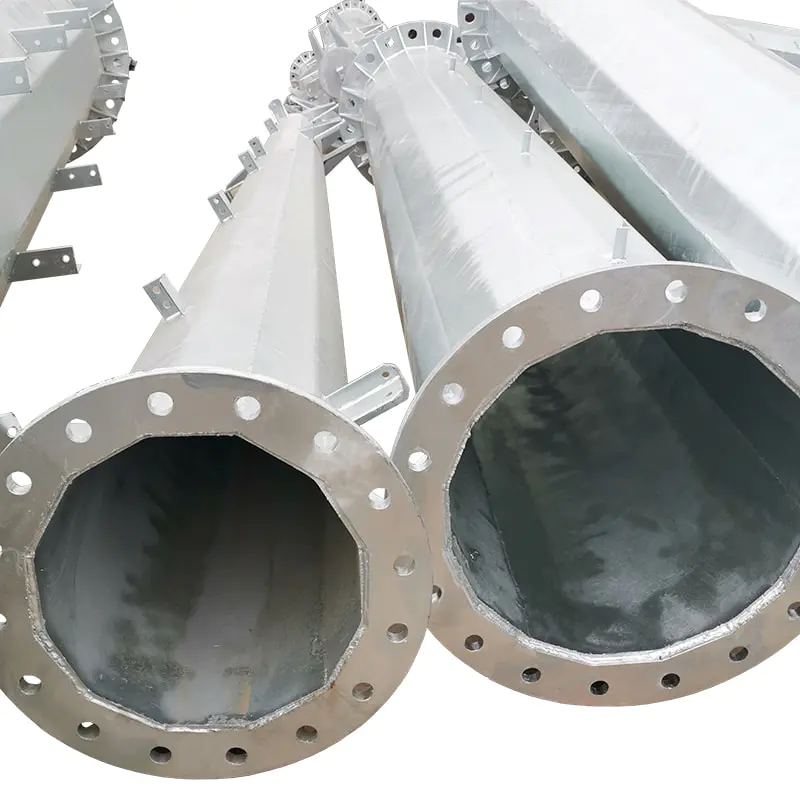
A Metal Building Structure refers to a construction system that uses steel or aluminum as the primary structural framework. Unlike traditional concrete or brick buildings, metal structures rely on prefabricated steel components, including beams, columns, trusses, and panels, which are assembled on-site. These structures can be fully customized to suit specific industrial or commercial requirements, from small retail units to large-scale factories.
Key Components of a Metal Building Structure
- Primary Frame: Usually composed of steel columns and rafters, providing the main structural support.
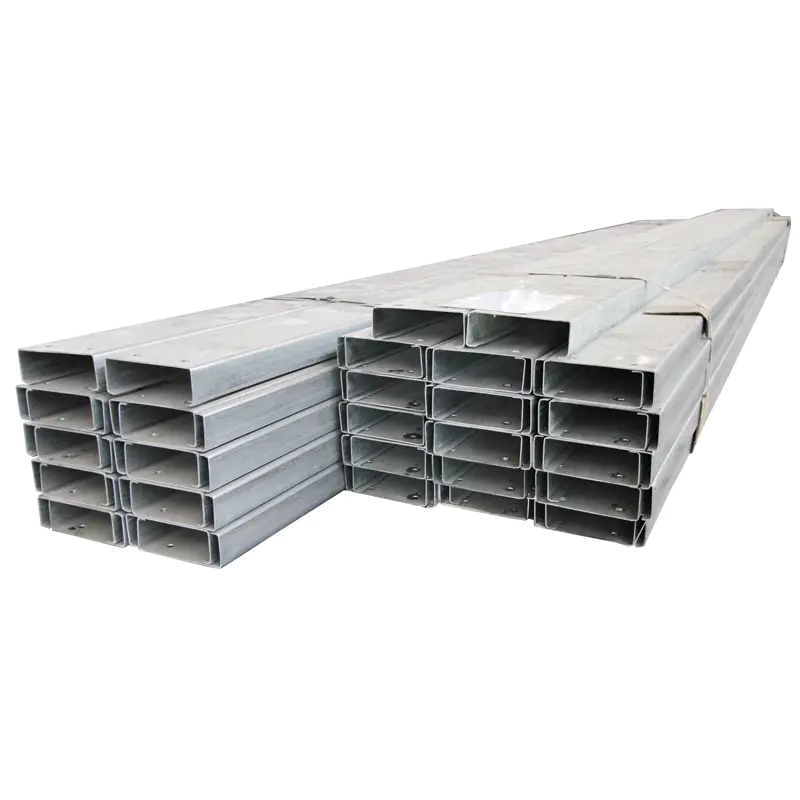
- Secondary Members: Includes purlins, girts, and bracing to stabilize the frame and support wall and roof panels.
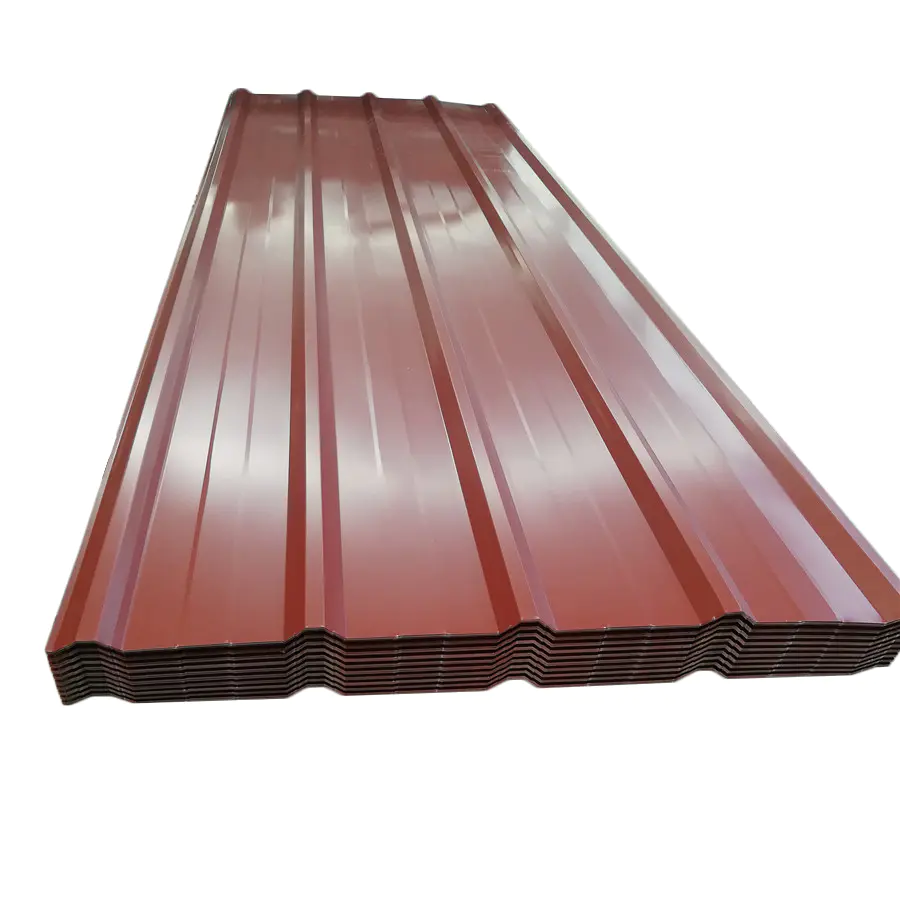
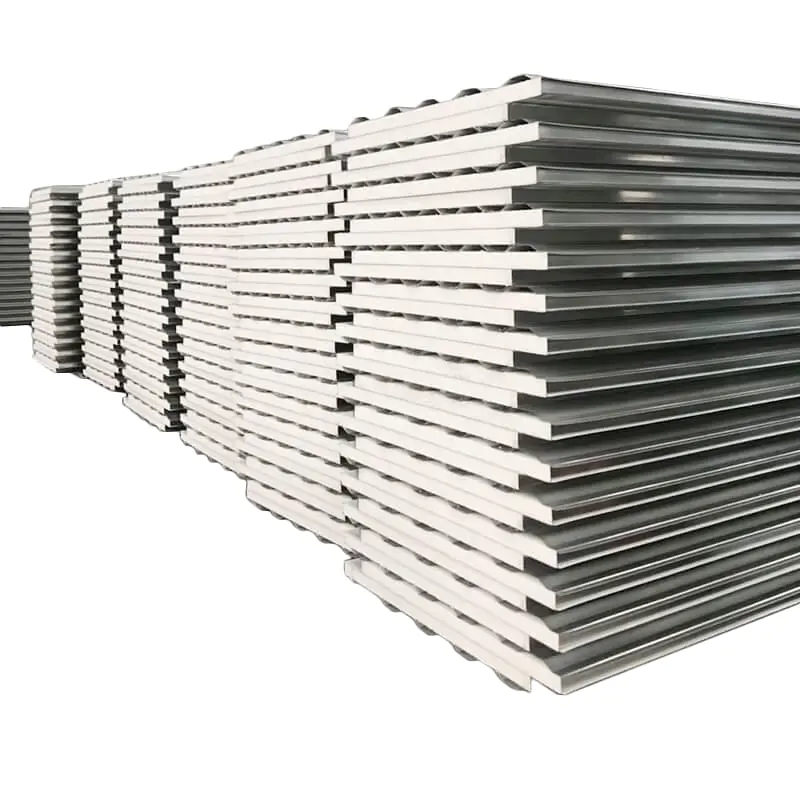
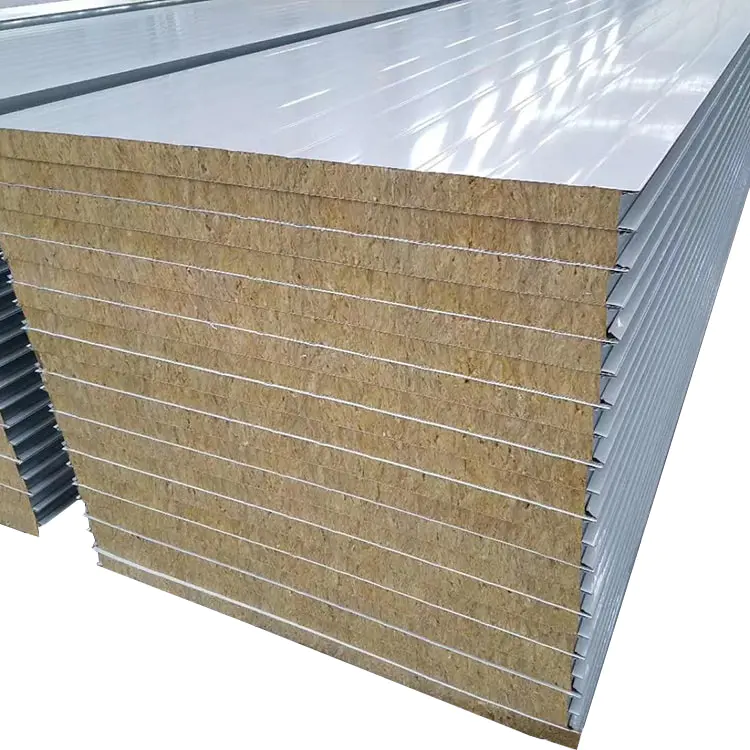
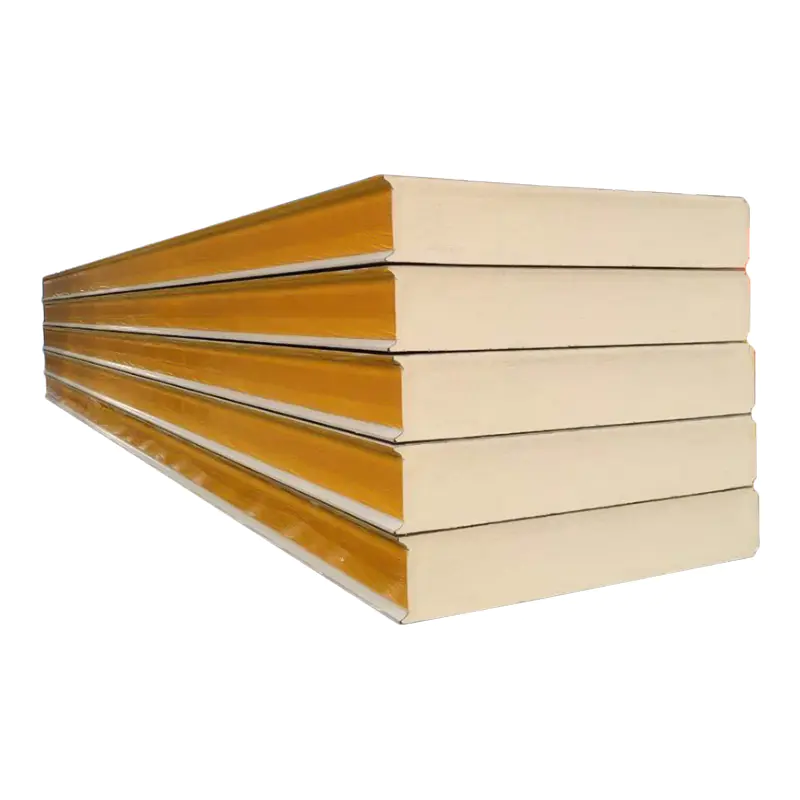
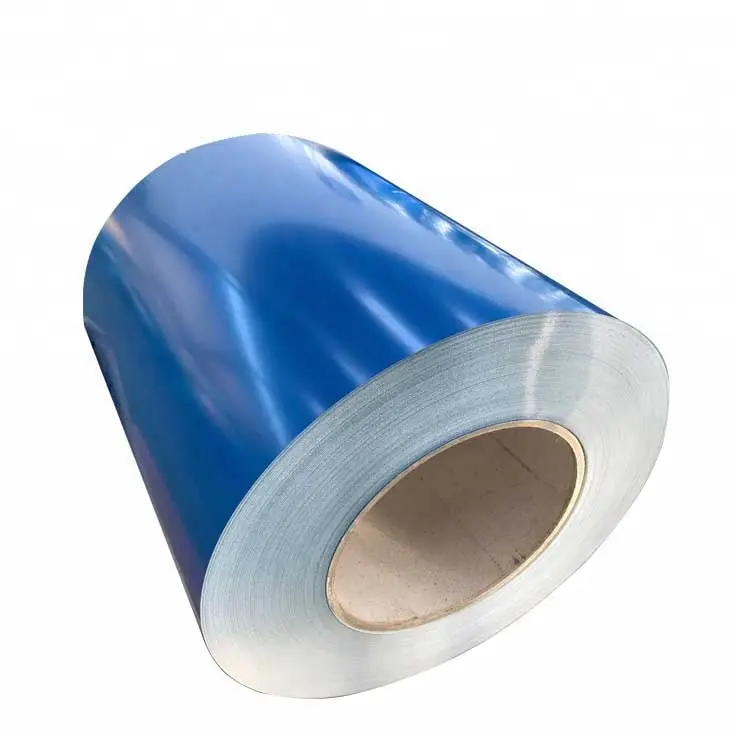
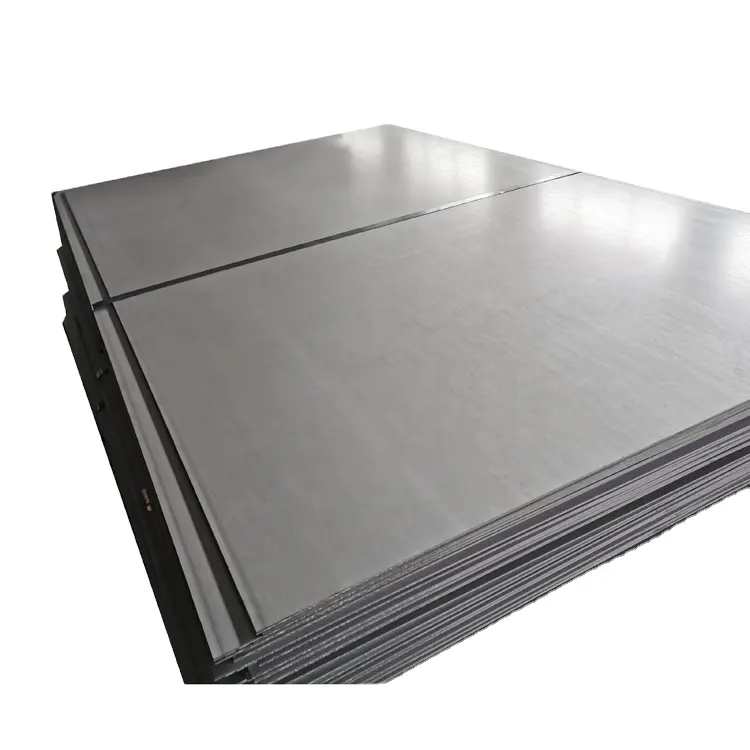
- Roof and Wall Panels: Often made from coated steel sheets or insulated metal panels for thermal efficiency.
- Foundation: Concrete or reinforced slabs anchor the metal structure securely.
Advantages of Metal Building Structures for Industrial and Commercial Buildings
1. Cost Efficiency
One of the most significant advantages of a Metal Building Structure is its cost-effectiveness. Prefabrication reduces labor costs and construction time, minimizing the overall expenditure. Compared with traditional brick-and-mortar buildings, metal structures often save 20–30% in initial construction costs.
2. Speed of Construction
Since the components are manufactured off-site, on-site assembly can be completed quickly. Many industrial warehouses or commercial complexes can be erected within weeks rather than months, making Metal Building Structure ideal for time-sensitive projects.
3. Durability and Strength
Steel and other metals used in these structures are highly resistant to pests, mold, and fire. The structural integrity can withstand harsh weather conditions, including strong winds, heavy snow, and earthquakes, ensuring long-term reliability.
4. Design Flexibility
Modern Metal Building Structure systems allow for wide clear spans without internal columns, creating open, flexible interior spaces. This is particularly advantageous for industrial plants, large retail outlets, or office layouts that require adaptability over time.
5. Sustainability
Steel is highly recyclable, making metal structures environmentally friendly. Many manufacturers use recycled steel in production, contributing to sustainable construction practices.
Comparison with Traditional Construction Methods
1. Metal vs. Concrete
- Cost: Metal structures generally have lower upfront costs than concrete buildings.
- Time: Construction speed is significantly faster for metal structures due to prefabrication.
- Maintenance: Concrete may crack over time and requires more maintenance; metal requires protective coatings but is easier to maintain overall.
2. Metal vs. Brick
- Flexibility: Metal allows for larger open spaces; brick construction often requires internal supports.
- Durability: Both are durable, but metal offers superior fire resistance and pest protection.
- Environmental Impact: Brick requires significant energy to manufacture, while metal can be recycled multiple times.
Applications of Metal Building Structures
Metal Building Structure is versatile and suitable for a wide range of industrial and commercial uses:
- Warehouses and Storage Facilities: Large, open spaces without columns allow for efficient storage and logistics operations.
- Factories and Manufacturing Plants: High load-bearing capacity supports heavy machinery and equipment.
- Retail Spaces: Flexible layouts accommodate showrooms, supermarkets, and shopping centers.
- Office Buildings: Modern metal structures can be designed with aesthetic finishes and energy-efficient panels for commercial offices.
- Recreational Facilities: Sports halls, gyms, and community centers benefit from wide-span roof designs.
Potential Limitations
While Metal Building Structure has many advantages, some considerations include:
- Thermal Insulation: Metal can conduct heat or cold, requiring insulated panels to maintain energy efficiency.
- Corrosion: Without proper protective coatings, metal components may corrode over time, particularly in coastal areas.
- Design Limitations: For highly decorative or complex architectural designs, traditional construction may offer more aesthetic flexibility.
Cost Analysis and ROI
Investing in a Metal Building Structure can provide faster return on investment due to lower initial costs and reduced construction time. Energy-efficient panels and long-term durability reduce maintenance and utility costs, enhancing overall ROI for industrial and commercial projects.
FAQ About Metal Building Structures
Q1: How long does it take to construct a metal building?
Construction can vary depending on size, but most industrial or commercial metal buildings are completed within 6–12 weeks, significantly faster than traditional buildings.
Q2: Are metal buildings safe for extreme weather conditions?
Yes. Properly engineered Metal Building Structure can withstand hurricanes, heavy snow, and seismic activity, making them highly reliable in diverse environments.
Q3: Can a metal building be expanded later?
Absolutely. One of the key benefits is modular design, allowing easy expansion or modification to meet evolving business needs.
Q4: Do metal buildings require a lot of maintenance?
Routine inspections and protective coatings are recommended, but metal structures generally require less maintenance than concrete or brick buildings over their lifespan.
Q5: Is insulation necessary for metal buildings?
Yes, especially for temperature-sensitive operations. Insulated panels or interior thermal barriers help maintain energy efficiency and comfort.
Conclusion
Metal Building Structure offers a combination of speed, cost efficiency, durability, and design flexibility that makes it highly suitable for both industrial and commercial buildings. While careful attention must be paid to insulation and corrosion prevention, the advantages generally outweigh the limitations. From warehouses to office complexes, metal structures provide a reliable, sustainable, and scalable solution for modern construction demands.
In comparison to traditional concrete or brick constructions, metal buildings offer faster construction, lower costs, and superior adaptability, positioning them as a top choice for businesses seeking long-term value and functional flexibility in industrial and commercial spaces.