English
 русский
 Español
Across global industrial zones, Metal Building Structure solutions are increasingly replacing traditional concrete and masonry buildings. Warehouses, factories, logistics centers, and manufacturing plants demand structures that are fast to build, cost-efficient, scalable, and durable. Metal-based construction systems meet these needs by combining engineered steel components with modular design concepts.
From high-bay warehouses to heavy-duty manufacturing workshops, metal structures provide flexibility in layout, superior load-bearing capacity, and long-term operational advantages. As industrial activities continue to evolve toward automation and large-scale logistics, the role of metal building systems becomes even more critical.
- What Is a Metal Building Structure?
- Applications of Metal Building Structure in Warehouses
- Applications of Metal Building Structure in Factories
- Comparison: Metal Building Structure vs Traditional Concrete Buildings
- Energy Efficiency and Sustainability Benefits
- Customization Options for Warehouses and Factories
- Durability and Long-Term Performance
- Future Trends in Metal Building Structure for Industry
- Common Challenges and Solutions
- FAQ: Metal Building Structure in Warehouses and Factories
- Why Metal Building Structure Continues to Shape Industrial Spaces
What Is a Metal Building Structure?
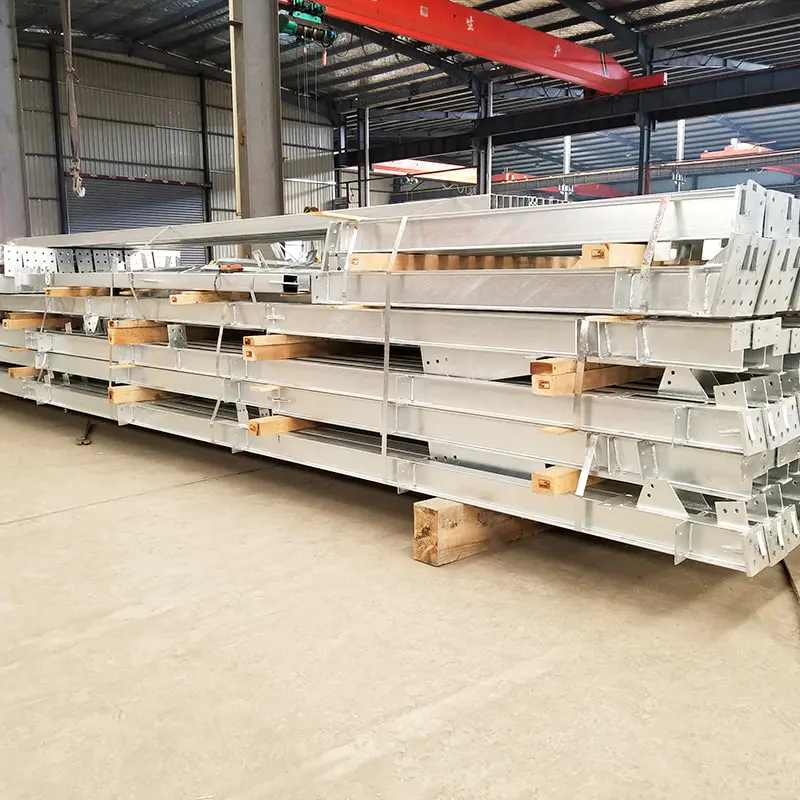
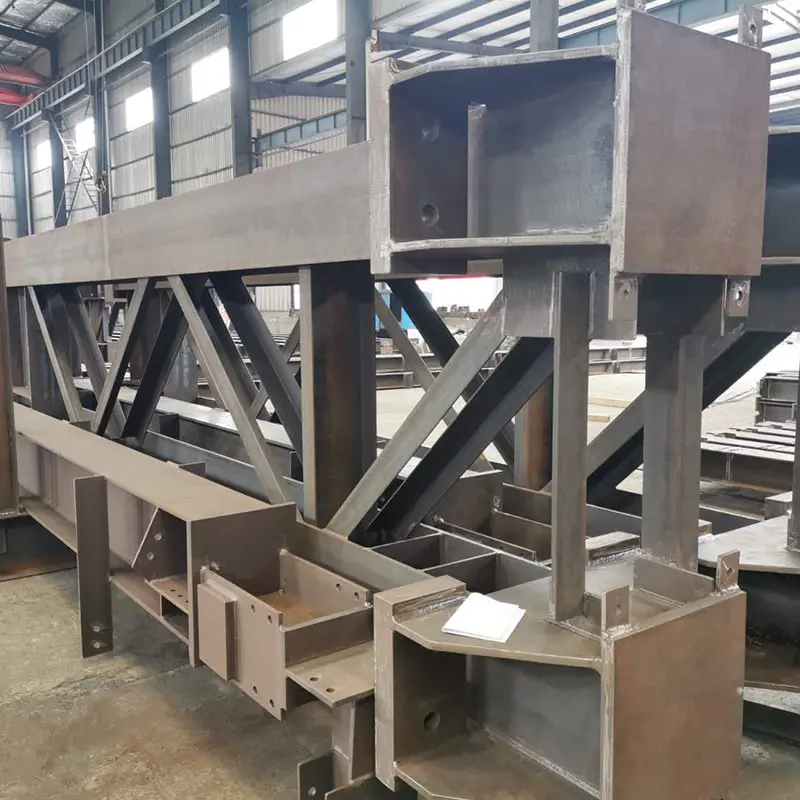
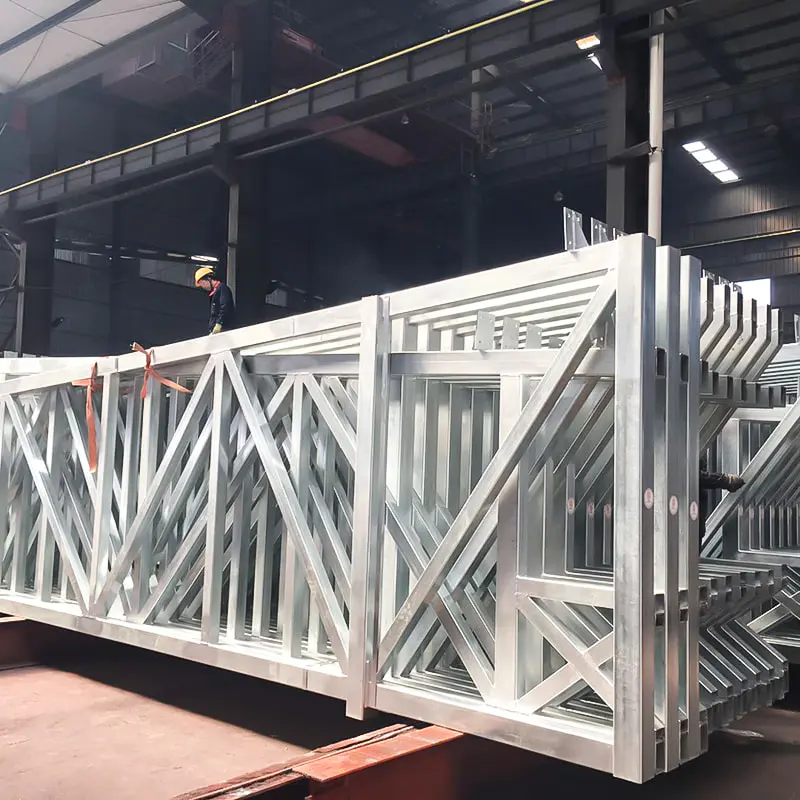
A Metal Building Structure is an engineered construction system primarily made from steel components, including columns, beams, purlins, girts, and roof panels. These structures are typically pre-engineered or custom-designed to meet specific functional requirements.
Unlike conventional buildings that rely heavily on on-site construction, metal buildings are largely fabricated in controlled factory environments and assembled on-site. This approach ensures consistent quality, faster installation, and reduced material waste.
Core Components of a Metal Building Structure
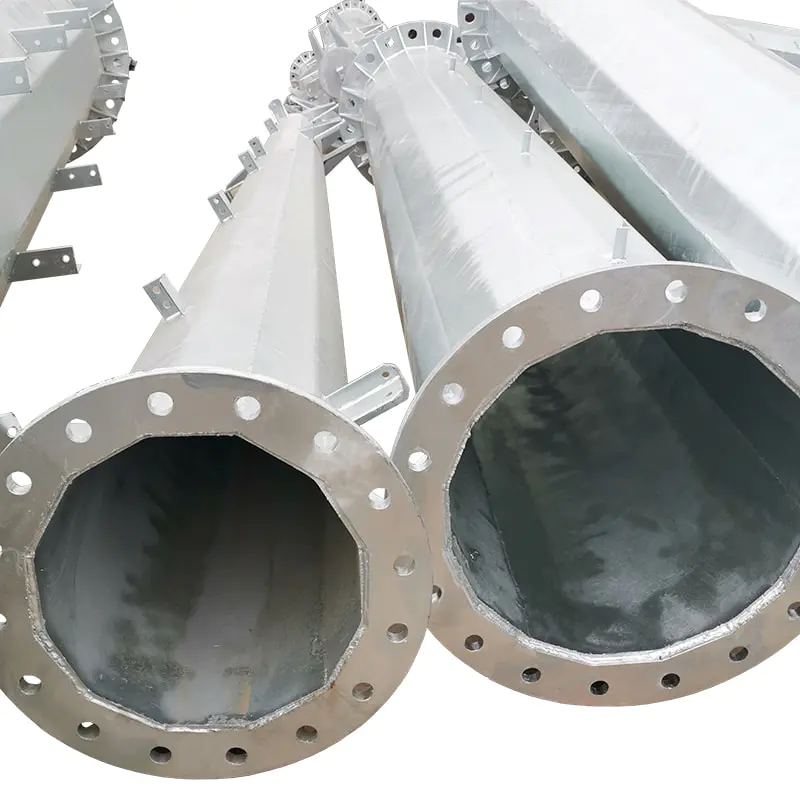
- Main Steel Frame: Columns and rafters that form the primary load-bearing skeleton.
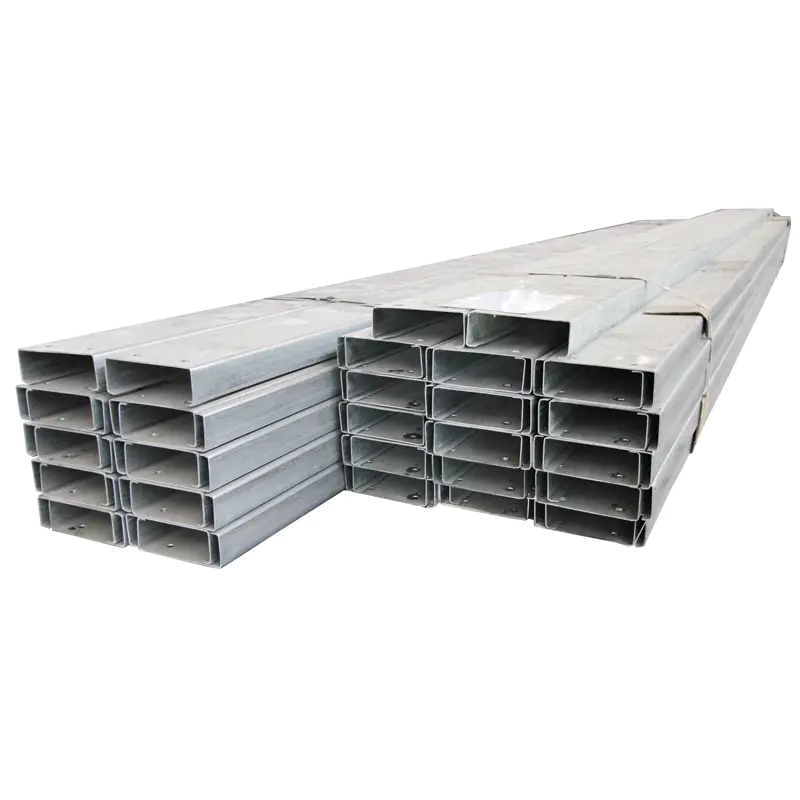
- Secondary Framing: Purlins, girts, and bracing systems that enhance stability.
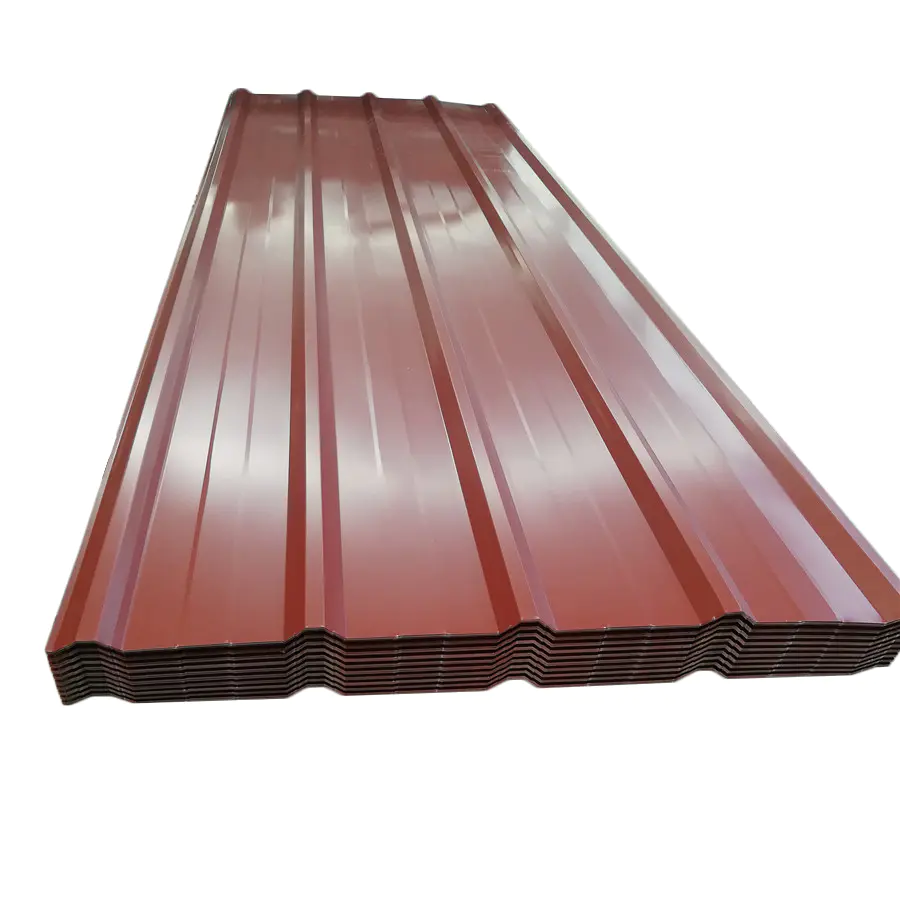
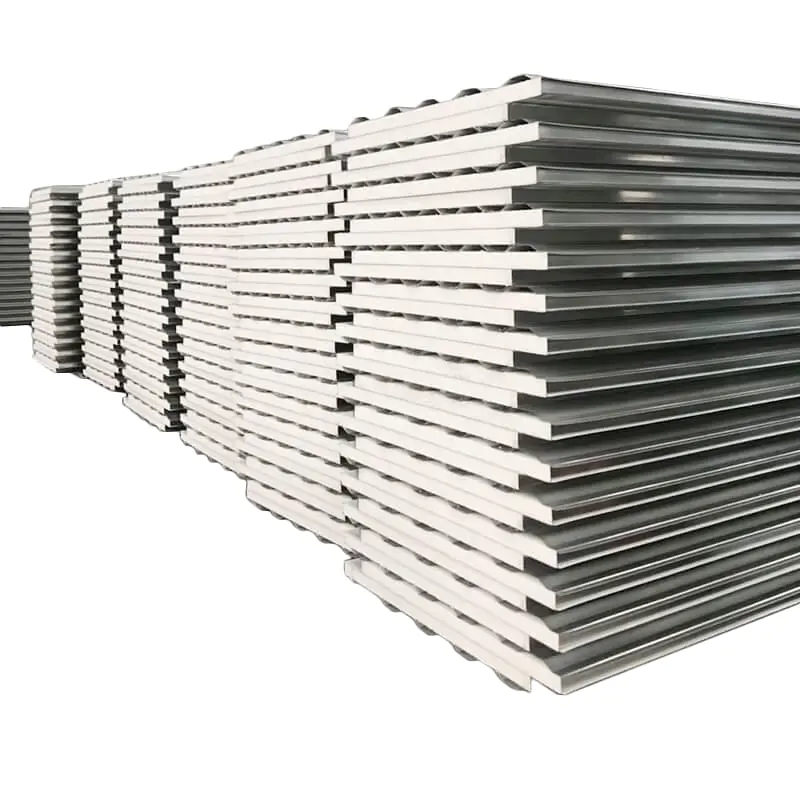
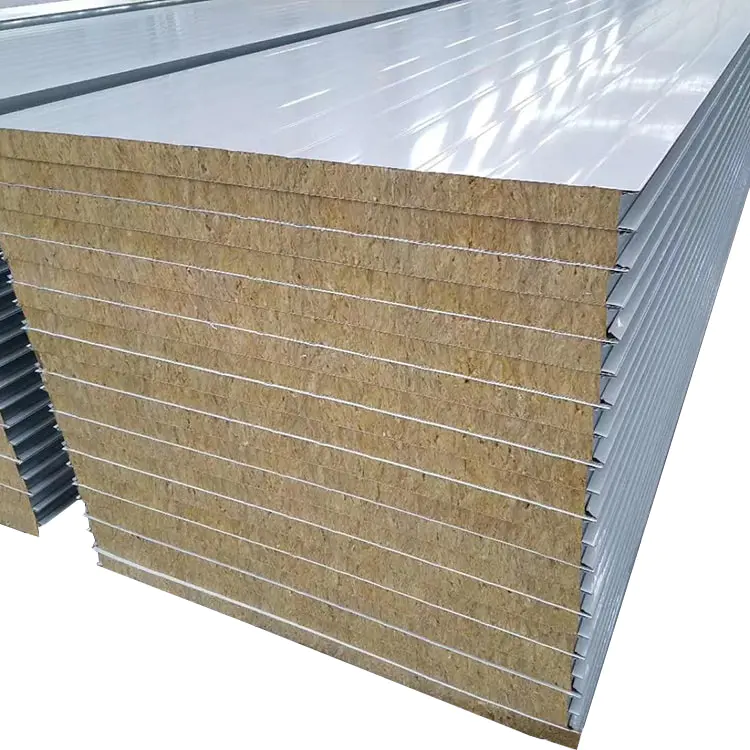
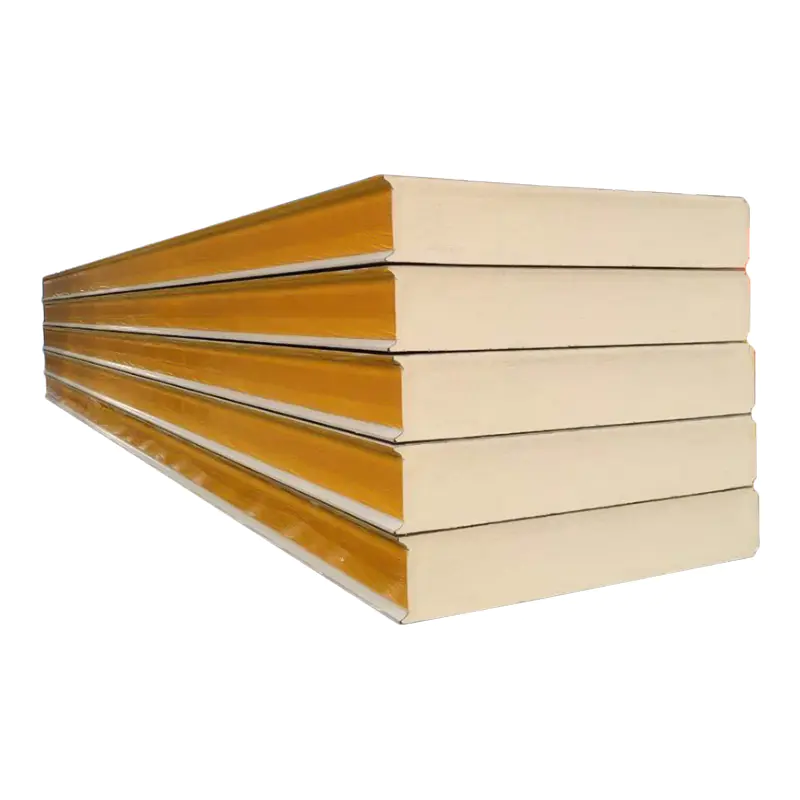
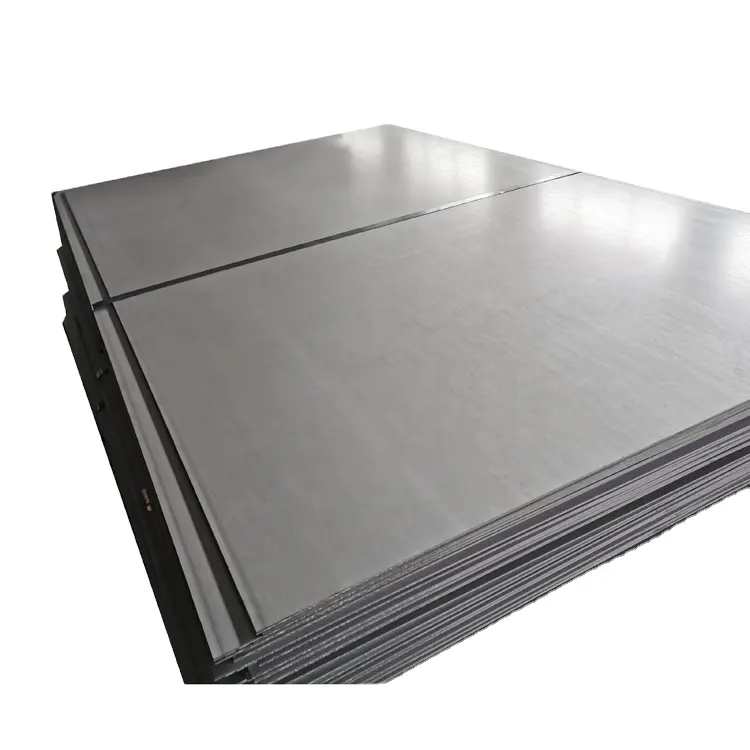
- Roof and Wall Panels: Metal sheets or insulated sandwich panels.
- Fasteners and Connectors: High-strength bolts and anchors for assembly.
- Optional Systems: Skylights, ventilation, cranes, mezzanines, and insulation.
Applications of Metal Building Structure in Warehouses
Large-Span Storage Solutions
Warehouses often require wide, unobstructed interior spaces to maximize storage capacity and facilitate efficient material handling. Metal Building Structure systems excel in creating large spans without interior columns, allowing forklifts, automated guided vehicles (AGVs), and conveyor systems to operate smoothly.
This clear-span capability makes metal structures ideal for distribution centers, cold storage facilities, and e-commerce fulfillment hubs.
High Load-Bearing Capacity for Racking Systems
Modern warehouses rely heavily on vertical storage systems. Steel structures provide exceptional strength, enabling them to support heavy pallet racks, mezzanine floors, and multi-level shelving systems without compromising safety.
Engineered metal frames are designed to handle both static and dynamic loads, including seismic forces and wind pressure.
Fast Construction for Time-Sensitive Projects
Speed is a critical factor in warehouse construction. Metal buildings can be erected significantly faster than traditional structures due to prefabrication. This shorter construction timeline allows businesses to begin operations sooner and reduce overall project costs.
Applications of Metal Building Structure in Factories
Adaptability for Manufacturing Processes
Factories often undergo layout changes as production lines evolve. A Metal Building Structure provides unmatched adaptability, allowing interior spaces to be reconfigured with minimal structural modifications.
This flexibility is particularly valuable in industries such as automotive manufacturing, machinery production, electronics assembly, and food processing.
Support for Heavy Machinery and Overhead Cranes
Many factories require overhead cranes, hoists, and heavy machinery. Metal structures can be engineered to integrate crane beams and reinforced frames, ensuring safe and efficient lifting operations.
Compared to concrete buildings, steel structures offer better performance under repetitive loads and vibrations generated by industrial equipment.
Enhanced Safety and Compliance
Industrial safety standards demand buildings that can withstand fire, seismic activity, and extreme weather conditions. Steel structures are non-combustible and can be treated with fire-resistant coatings, improving overall safety compliance.
Comparison: Metal Building Structure vs Traditional Concrete Buildings
Construction Speed
- Metal Building Structure: Prefabricated components enable rapid assembly.
- Concrete Buildings: Longer construction cycles due to curing and formwork.
Cost Efficiency
- Metal Building Structure: Lower labor costs and reduced material waste.
- Concrete Buildings: Higher labor intensity and longer project timelines.
Flexibility and Expansion
- Metal Building Structure: Easy to expand or modify.
- Concrete Buildings: Structural modifications are complex and costly.
Maintenance Requirements
- Metal Building Structure: Minimal maintenance with corrosion protection.
- Concrete Buildings: Prone to cracking and moisture-related issues.
Energy Efficiency and Sustainability Benefits
Modern Metal Building Structure systems are designed with sustainability in mind. Insulated panels, reflective roofing materials, and integrated ventilation systems help reduce energy consumption.
Steel is also highly recyclable, making metal buildings an environmentally responsible choice for industrial construction.
Thermal Performance Improvements
- Insulated sandwich panels reduce heat transfer
- Cool roof coatings minimize solar heat gain
- Natural lighting options reduce electricity usage
Customization Options for Warehouses and Factories
One of the greatest strengths of a Metal Building Structure is its high degree of customization. Buildings can be tailored to meet specific operational requirements.
Design Customization
- Variable building heights and spans
- Multiple roof styles such as gable or single-slope
- Customized door and window placements
Functional Add-Ons
- Mezzanine floors for office or storage use
- Ventilation and exhaust systems
- Integrated rainwater drainage systems
Durability and Long-Term Performance
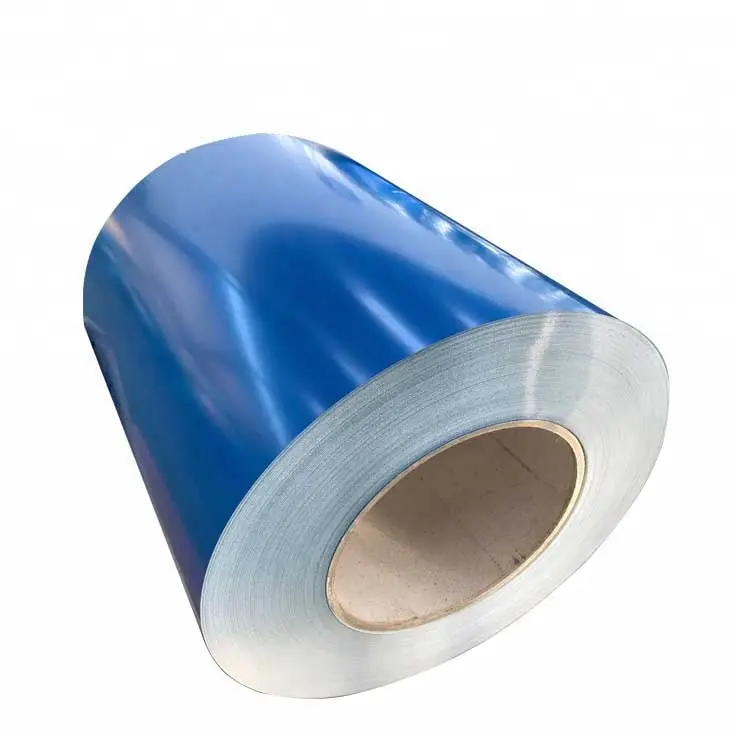
Industrial buildings are long-term investments. Metal structures are engineered to last decades with proper surface treatments such as galvanization or powder coating.
They demonstrate excellent resistance to corrosion, pests, and harsh environmental conditions, making them suitable for coastal areas, deserts, and high-humidity regions.
Future Trends in Metal Building Structure for Industry
Smart Factory Integration
As factories adopt automation and smart systems, metal buildings are increasingly designed to accommodate sensors, cable management systems, and data infrastructure.
Modular and Scalable Designs
Future warehouses and factories prioritize scalability. Metal structures allow phased expansion without disrupting ongoing operations.
Common Challenges and Solutions
Corrosion Concerns
In corrosive environments, protective coatings and material selection play a vital role. Advanced surface treatments significantly extend service life.
Thermal Expansion
Steel expands with temperature changes. Modern designs incorporate expansion joints and flexible connections to manage this behavior effectively.
FAQ: Metal Building Structure in Warehouses and Factories
Is a Metal Building Structure suitable for heavy industrial use?
Yes. Metal structures can be engineered to support heavy machinery, cranes, and dynamic industrial loads.
How long does it take to construct a metal warehouse?
Construction timelines vary by size and complexity, but metal buildings are typically completed much faster than traditional structures.
Can metal buildings be expanded in the future?
Expansion is one of the key advantages. Additional bays or extensions can be added with minimal disruption.
Are metal structures energy efficient?
With proper insulation and design, metal buildings can achieve high energy efficiency levels suitable for industrial operations.
What maintenance is required?
Routine inspections and occasional surface treatment are usually sufficient to maintain long-term performance.
Why Metal Building Structure Continues to Shape Industrial Spaces
The growing adoption of Metal Building Structure systems in warehouses and factories reflects the evolving needs of modern industry. Speed, flexibility, durability, and cost efficiency make steel-based construction an optimal solution for industrial environments.
As logistics networks expand and manufacturing processes become more advanced, metal building systems are set to remain a cornerstone of industrial development worldwide.