English
 русский
 Español
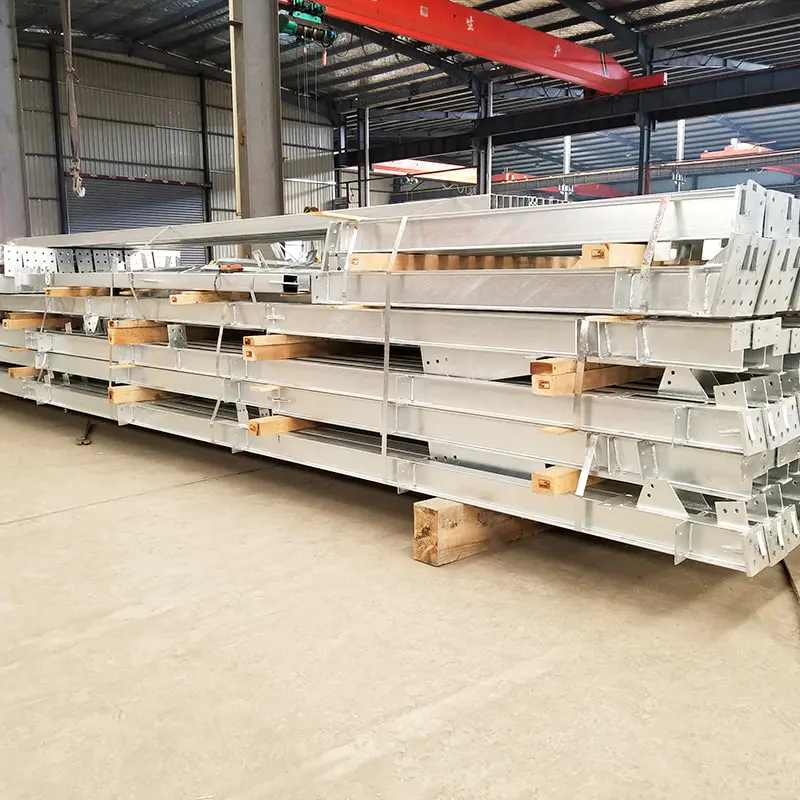
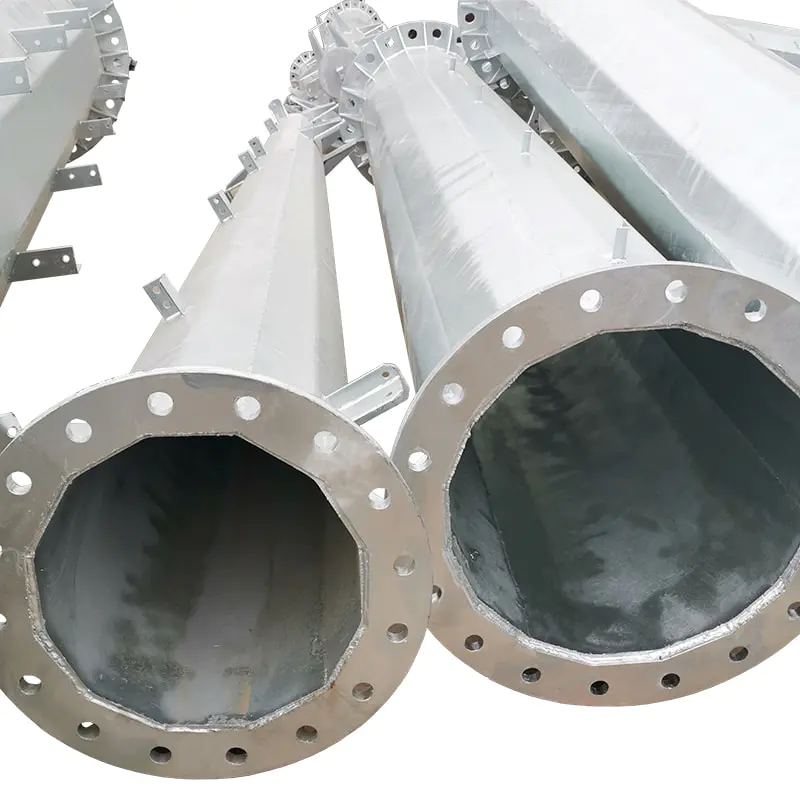
A PEMB frame — short for Pre-Engineered Metal Building frame — is a factory-fabricated structural steel system designed and manufactured off-site, then assembled on-site with precision. Simply put, it is the skeletal backbone of a pre-engineered metal building, encompassing primary steel frames, secondary structural members, and all connecting components. PEMB frames have revolutionized commercial, industrial, and agricultural construction thanks to their speed, cost efficiency, and structural versatility.
- How Does a PEMB Frame Work?
- Key Components of a PEMB Frame System
- Types of PEMB Frame Configurations
- PEMB Frame vs. Traditional Steel Construction: A Head-to-Head Comparison
- Top Benefits of a PEMB Frame Building
- Common Applications of PEMB Frame Structures
- PEMB Frame Buying Guide: What to Consider Before You Purchase
- PEMB Frame Cost: What Does It Actually Cost?
- Frequently Asked Questions About PEMB Frames
- Final Thoughts: Is a PEMB Frame Right for Your Project?
How Does a PEMB Frame Work?
Unlike traditional construction where raw steel or concrete is cut and assembled at the job site, a PEMB frame is engineered using advanced computer-aided design (CAD) and structural analysis software. Every beam, column, and connection plate is calculated to bear specific loads — wind, snow, seismic, and live loads — before a single piece of steel is fabricated.
The manufacturing process follows a clear sequence:
- Structural engineering design and load analysis
- Computer-aided detailing of every component
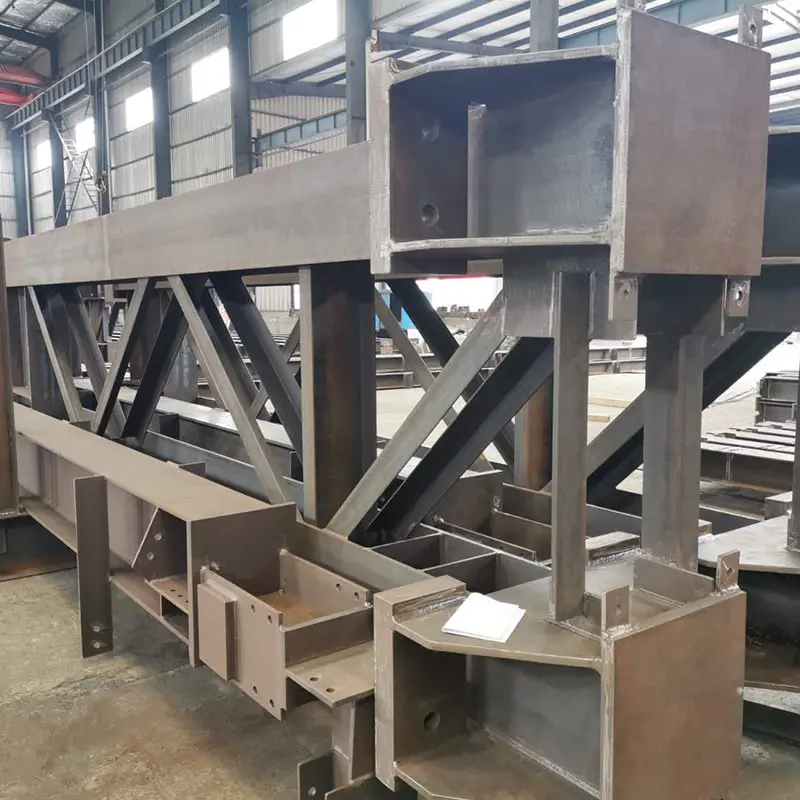
- Factory fabrication with CNC cutting and welding
- Quality inspection and protective coating/priming
- Delivery to site and field erection by trained crews
The result is a system where all parts fit together precisely — reducing field labor, minimizing waste, and shortening the overall construction timeline dramatically.
Key Components of a PEMB Frame System
Primary Structural Framing
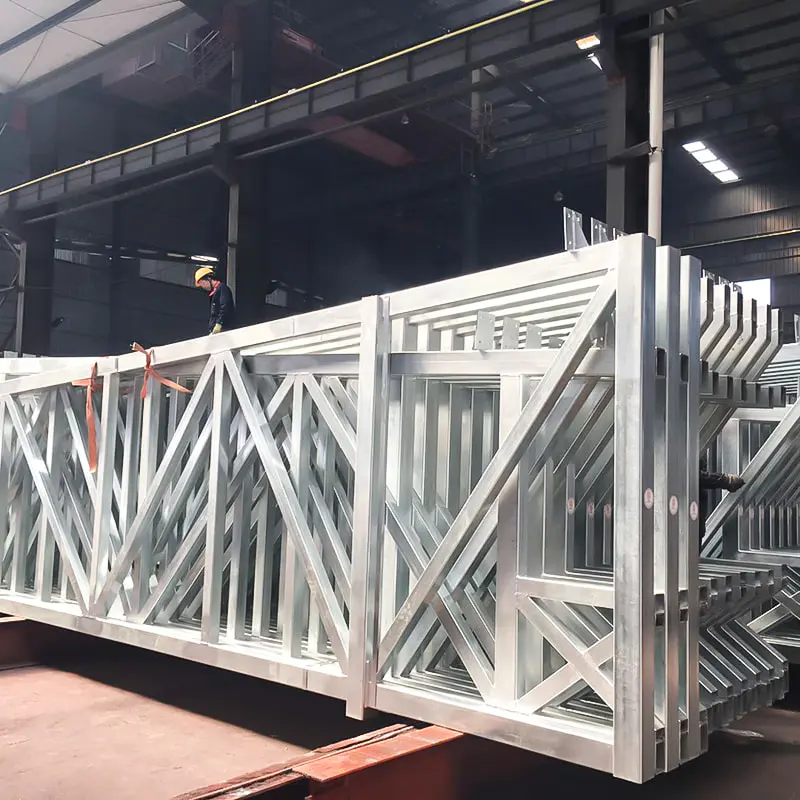
This includes the main load-bearing rigid frames — the rafter and column assemblies — which define the building's width, height, and overall bay spacing. Primary frames can be single-span, multi-span, or modular depending on the project requirements.
Secondary Structural Framing
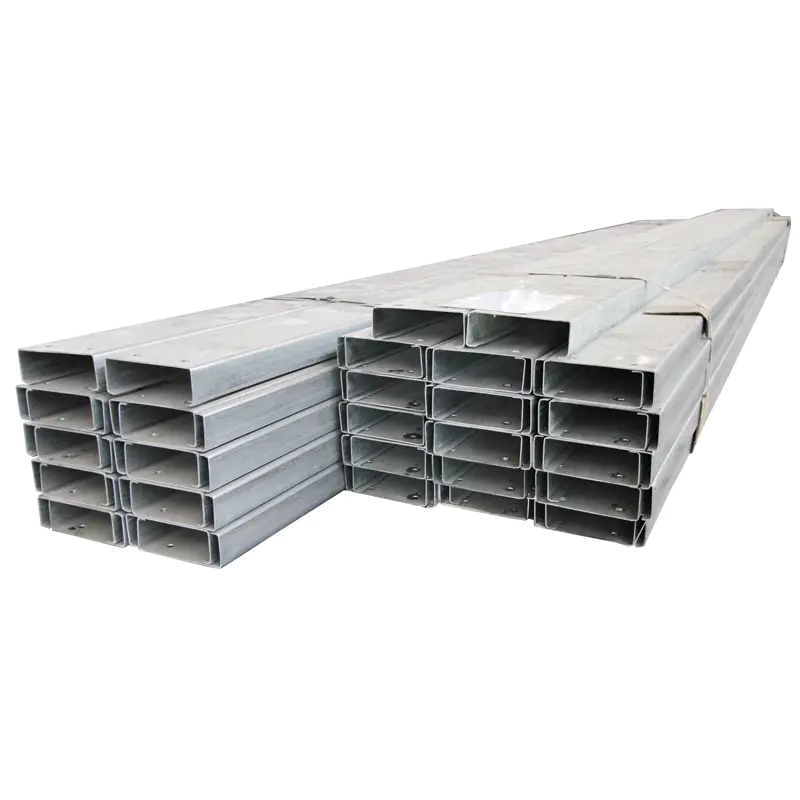
Secondary members such as purlins (roof), girts (wall), and eave struts transfer loads from the roof and wall panels to the primary frame. These are typically cold-formed steel Z or C sections.
Bracing Systems
Rod bracing, cable bracing, and portal bracing are incorporated in both roof and wall planes to resist lateral forces such as wind and seismic loads, providing overall building stability.
Anchor Bolts and Base Plates
These critical connection elements secure the PEMB steel frame to the concrete foundation, ensuring the structure remains stable under all loading conditions.
Types of PEMB Frame Configurations
Choosing the right PEMB frame type is critical for meeting functional, aesthetic, and budgetary goals. Here are the most common configurations:
| Frame Type | Description | Best For |
| Clear-Span Frame | No interior columns; entire width is open | Warehouses, hangars, sports facilities |
| Multi-Span Frame | Multiple bays connected with interior columns | Large distribution centers, manufacturing plants |
| Single-Slope Frame | Roof slopes in one direction only (lean-to style) | Additions to existing buildings, small retail |
| Symmetrical Gable Frame | Pitched roof sloping equally on both sides | Standard commercial and agricultural buildings |
| Modular Frame | Expandable bays for future growth | Businesses with expansion plans |
PEMB Frame vs. Traditional Steel Construction: A Head-to-Head Comparison
One of the most common questions buyers ask is: how does a PEMB frame building compare to a conventionally engineered steel structure? The differences are significant:
| Factor | PEMB Frame | Conventional Steel |
| Design Time | 2–6 weeks (computer-aided) | 8–20+ weeks (manual engineering) |
| Material Cost | 20–40% lower (optimized steel use) | Higher due to over-engineering |
| Erection Time | 30–50% faster | Slower; more field fitting required |
| Design Flexibility | Highly customizable within system limits | Fully custom, unlimited shapes |
| Quality Control | Factory-controlled, consistent | Site-dependent, variable |
| Future Expansion | Easily expandable with modular additions | Complex and costly to expand |
| Sustainability | Less waste, recyclable steel | More cutting waste on site |
Top Benefits of a PEMB Frame Building
1. Faster Construction Timelines
Because the PEMB frame system is manufactured in a controlled factory environment, on-site erection can begin immediately upon delivery. Projects that would take 12–18 months using conventional methods can often be completed in 4–8 months.
2. Significant Cost Savings
The combination of optimized steel design, reduced field labor, shorter construction timelines, and minimal material waste translates directly into lower project costs. Many buyers report savings of 20–35% compared to equivalent conventional structures.
3. Engineering Precision and Structural Reliability
Every pre-engineered metal building frame is designed using sophisticated structural analysis software, ensuring every member is optimized for its specific load requirements. This eliminates both over-engineering (waste) and under-engineering (risk).
4. Scalability and Flexibility
A properly designed PEMB frame can accommodate future expansion with minimal disruption. Adding bays, increasing eave heights, or incorporating mezzanines are all practical options within the modular system.
5. Durability and Low Maintenance
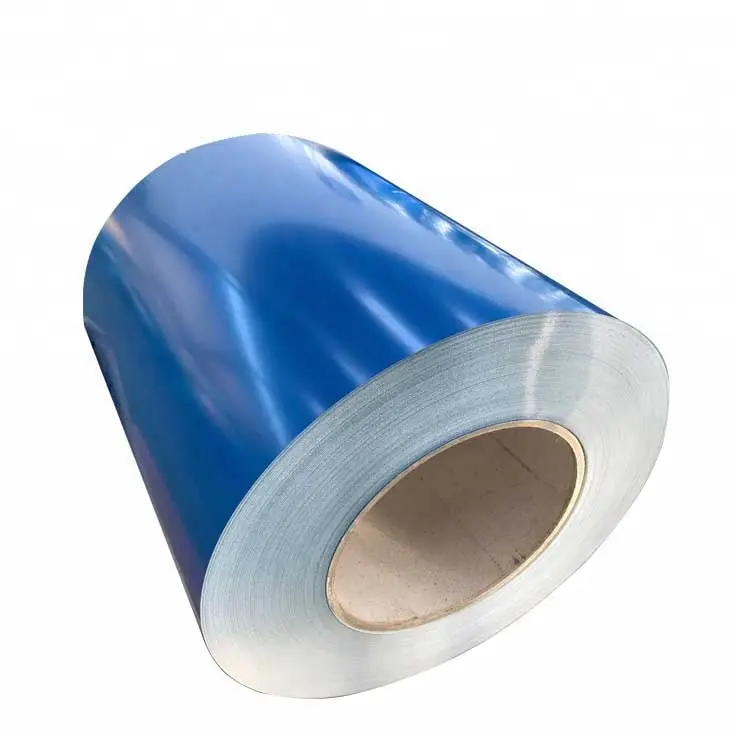
Hot-dip galvanizing, epoxy primers, and protective coatings applied in the factory protect PEMB steel frames from corrosion for decades. With periodic maintenance, these structures commonly achieve service lives of 40–60 years.
6. Sustainability and Green Building Credentials
Steel is one of the most recycled materials in the world. PEMB frame buildings can easily incorporate energy-efficient insulation systems, solar-ready roofs, and cool-roof coatings — making them compatible with LEED and other green building certifications.
Common Applications of PEMB Frame Structures
The versatility of the PEMB frame system makes it suitable for a wide range of building types:
- Industrial & Manufacturing: Factories, production plants, assembly halls
- Warehousing & Logistics: Distribution centers, cold storage, fulfillment hubs
- Commercial: Retail showrooms, car dealerships, strip malls
- Agricultural: Crop storage, livestock shelters, equipment barns
- Aviation: Aircraft hangars, maintenance facilities
- Recreation: Indoor sports arenas, community centers, gymnasiums
- Government & Military: Storage depots, vehicle maintenance facilities
PEMB Frame Buying Guide: What to Consider Before You Purchase
Building Dimensions and Clear Height
Define the required width, length, and eave height early. Clear-span PEMB frames can typically achieve column-free widths of up to 300 feet, while eave heights can range from 10 to 40+ feet depending on the application.
Site-Specific Load Requirements
Your local building codes will dictate minimum design loads — including ground snow loads, basic wind speeds, seismic zones, and live loads. A reputable PEMB frame manufacturer will engineer the structure to meet or exceed all applicable local codes.
Roof and Wall Panel Systems
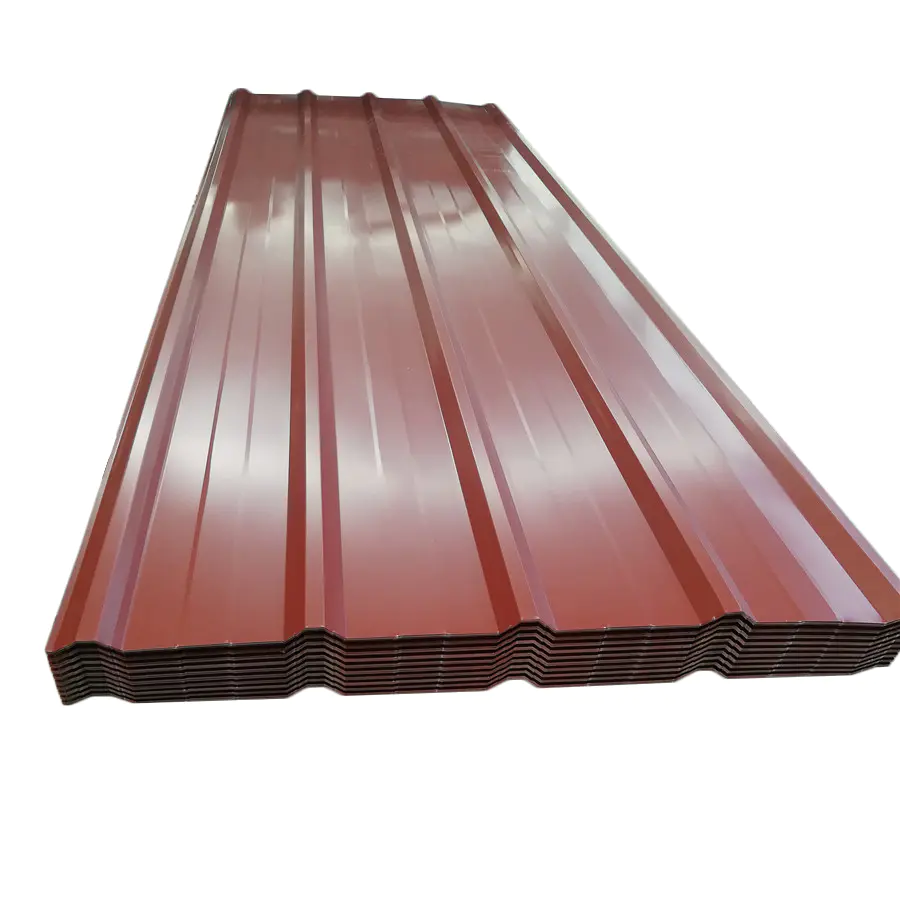
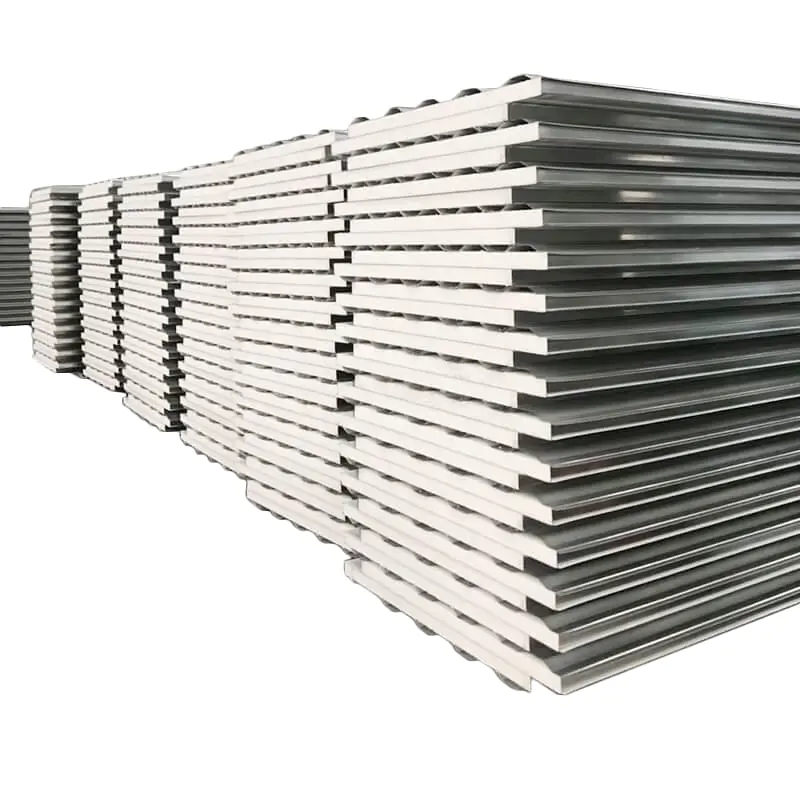
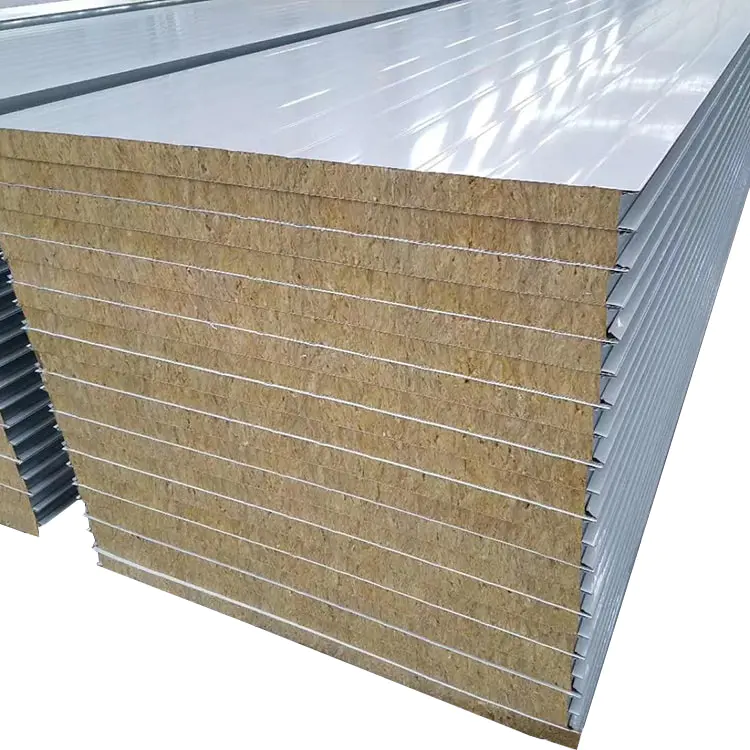
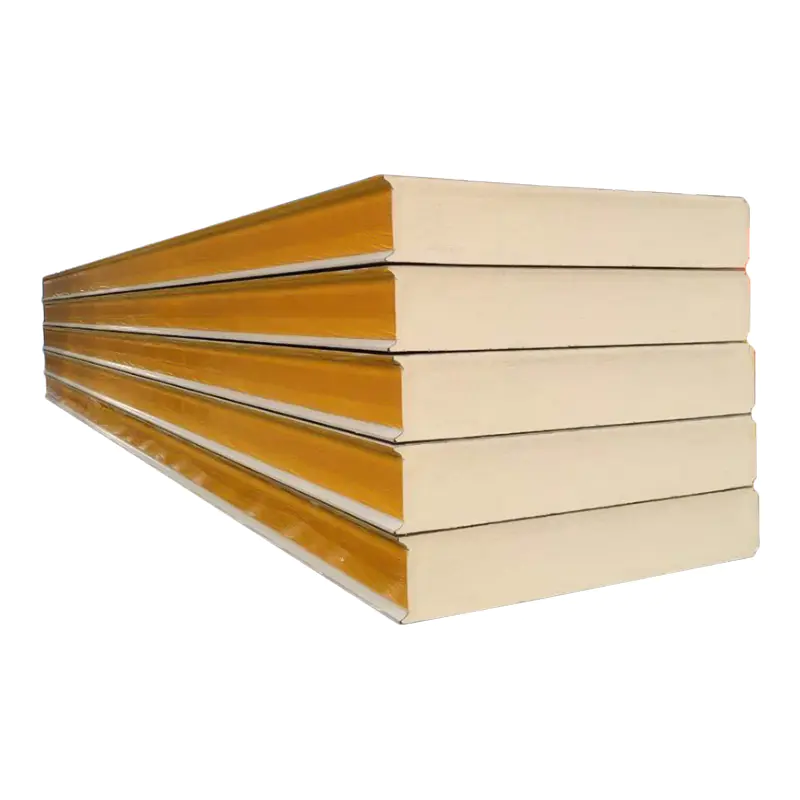
The PEMB frame itself is only the structural skeleton. Evaluate insulated metal panels (IMPs), standing seam roofs, and composite wall systems for their thermal performance, aesthetics, and long-term durability.
Manufacturer Credentials and Experience
Look for manufacturers with AISC certification (American Institute of Steel Construction) or equivalent regional certifications. Review completed project portfolios, engineering capabilities, and warranty terms before committing.
Foundation Design Coordination
The PEMB steel frame must be properly anchored to a foundation designed by a licensed civil/geotechnical engineer based on local soil conditions. Ensure the manufacturer provides accurate and timely anchor bolt plans.
Erection Contractor Selection
The quality of field erection significantly impacts the final result. Work with authorized erectors experienced with your chosen manufacturer's PEMB frame system to ensure all connections are made correctly and safely.
PEMB Frame Cost: What Does It Actually Cost?
The cost of a PEMB frame varies based on size, design complexity, steel market pricing, and regional labor rates. Here is a general cost benchmark:
| Building Size | Frame Package Only (approx.) | Turnkey Installed (approx.) |
| 30×50 ft (1,500 sq ft) | $12,000–$18,000 | $40,000–$65,000 |
| 60×100 ft (6,000 sq ft) | $45,000–$70,000 | $120,000–$200,000 |
| 100×200 ft (20,000 sq ft) | $140,000–$220,000 | $400,000–$700,000 |
| 200×400 ft (80,000 sq ft) | $600,000–$950,000 | $1.8M–$3.2M |
Note: These figures are general estimates for planning purposes only. Final pricing depends on steel market conditions, regional labor costs, local code requirements, and specific design features. Always obtain detailed quotes from qualified suppliers.
Frequently Asked Questions About PEMB Frames
Q: What does PEMB stand for in construction?
A: PEMB stands for Pre-Engineered Metal Building. It refers to a complete structural steel building system that is designed, fabricated, and delivered as a kit of parts ready for field assembly.
Q: How long does it take to erect a PEMB frame?
A: Erection timelines depend on building size and complexity, but a typical PEMB frame of 10,000–20,000 sq ft can be erected in 2–4 weeks by an experienced crew once materials arrive on site.
Q: Can a PEMB frame be expanded after construction?
A: Yes. One of the key advantages of a PEMB frame building is its expandability. Future bays can be added to the length of the building, and in many cases, width additions are also possible with proper structural planning.
Q: Are PEMB frames suitable for multi-story buildings?
PEMB frames are primarily optimized for single-story applications. Multi-story designs are possible but require additional engineering complexity and may not offer the same cost advantage as conventional steel for high-rise applications.
Q: How do PEMB frames perform in high-wind and seismic zones?
PEMB structural frames can be engineered to meet the requirements of high-wind zones (including hurricane-prone regions) and seismic zones when designed by experienced structural engineers following the applicable building codes (IBC, AISC, MBMA).
Q: What is the difference between a PEMB frame and a metal building kit?
A: A PEMB frame is custom-engineered for a specific project with site-specific load calculations. A generic metal building "kit" may use standardized components not tailored to local code requirements. For any permanent commercial or industrial structure, a proper pre-engineered metal building frame with certified engineering documentation is essential.
Q: How long do PEMB frame buildings last?
A: With proper design, quality coatings, and routine maintenance, a PEMB frame building is designed for a service life of 40–60 years. Steel components can be repaired or replaced without demolishing the entire structure.
Final Thoughts: Is a PEMB Frame Right for Your Project?
For the vast majority of commercial, industrial, agricultural, and institutional building projects, a PEMB frame offers a compelling combination of cost efficiency, construction speed, structural reliability, and long-term flexibility. Whether you are planning a small agricultural storage facility or a large-scale distribution center, the pre-engineered metal building frame system has proven itself as one of the most practical and economical construction solutions available today.
The key to success lies in partnering with an experienced, certified manufacturer and erector who can properly engineer the PEMB steel frame to your site conditions, local codes, and functional requirements. With the right team and proper planning, your PEMB frame building can deliver decades of reliable, cost-effective performance.