English
 русский
 Español
Prefabricated buildings have become one of the most effective and cost-efficient solutions for constructing a climate control warehouse. With advanced insulated panels, factory-precision engineering, and dramatically reduced build times, modern prefab systems outperform traditional construction in nearly every measurable dimension of temperature-sensitive storage.
The global demand for climate control warehouse facilities is surging. From pharmaceutical cold chains and food-grade refrigerated storage to high-value electronics and chemical inventory, industries across the board are investing in temperature-managed warehousing at an unprecedented pace. Yet the traditional brick-and-mortar approach to building these facilities is proving too slow, too expensive, and too inflexible for today's supply chain realities.
Enter the prefabricated climate control warehouse — a modular, engineered approach that is reshaping how companies think about cold storage and temperature-regulated distribution infrastructure. This article explores how prefab construction addresses the core challenges of climate-controlled warehousing, compares it to conventional methods, and answers the most important questions operators and developers are asking right now.
- What Is a Climate Control Warehouse?
- Why Prefabricated Construction Is Transforming Climate Control Warehouse Development
- Prefab vs. Traditional Construction: Climate Control Warehouse Comparison
- Key Components of a Prefabricated Climate Control Warehouse System
- Designing Multiple Temperature Zones in a Single Prefab Climate Control Warehouse
- Sustainability Advantages of Prefab Climate Control Warehouse Construction
- Regulatory Compliance for Climate Control Warehouse Facilities
- Frequently Asked Questions: Prefabricated Climate Control Warehouse
- Conclusion: Prefab Is the Future of Climate Control Warehouse Construction
What Is a Climate Control Warehouse?
A climate control warehouse is a storage facility specifically engineered to maintain defined temperature, humidity, and air quality conditions regardless of external weather. Unlike standard warehouses, these structures must achieve constant thermal performance — often holding temperatures between -30°C and +25°C depending on the application — 24 hours a day, 365 days a year.
The industries that rely on climate control warehouse facilities include:
- Pharmaceutical & Biotech — vaccines, biologics, and temperature-sensitive medications
- Food & Beverage — fresh produce, dairy, frozen goods, and perishables
- Agriculture — seed storage, harvest preservation, and controlled ripening
- Electronics — components requiring humidity control to prevent oxidation
- Chemicals & Materials — temperature-reactive compounds requiring stable environments
- Cosmetics & Luxury Goods — products sensitive to heat or moisture degradation
The engineering demands of a climate control warehouse are significant: the building envelope must achieve extremely low thermal transmittance (U-values), vapor barriers must be seamlessly integrated, refrigeration loads must be calculated precisely, and structural integrity must be maintained under load despite the use of continuous insulated skins.
Why Prefabricated Construction Is Transforming Climate Control Warehouse Development
Prefabrication means that structural and envelope components are manufactured off-site in a controlled factory environment, then transported and assembled on-site. For a climate control warehouse, this approach offers transformative advantages that conventional construction cannot replicate.
1. Factory-Engineered Thermal Performance
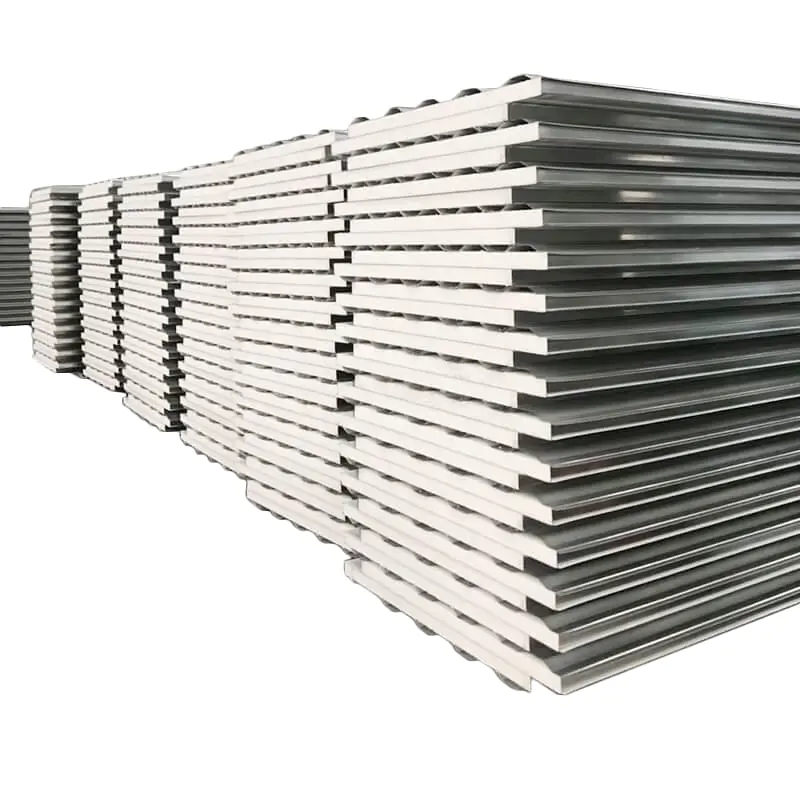
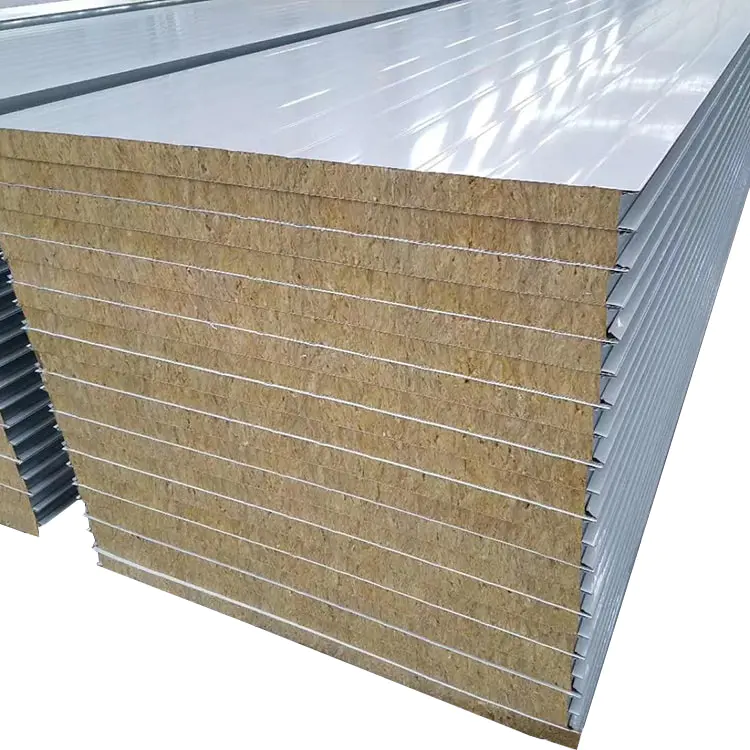
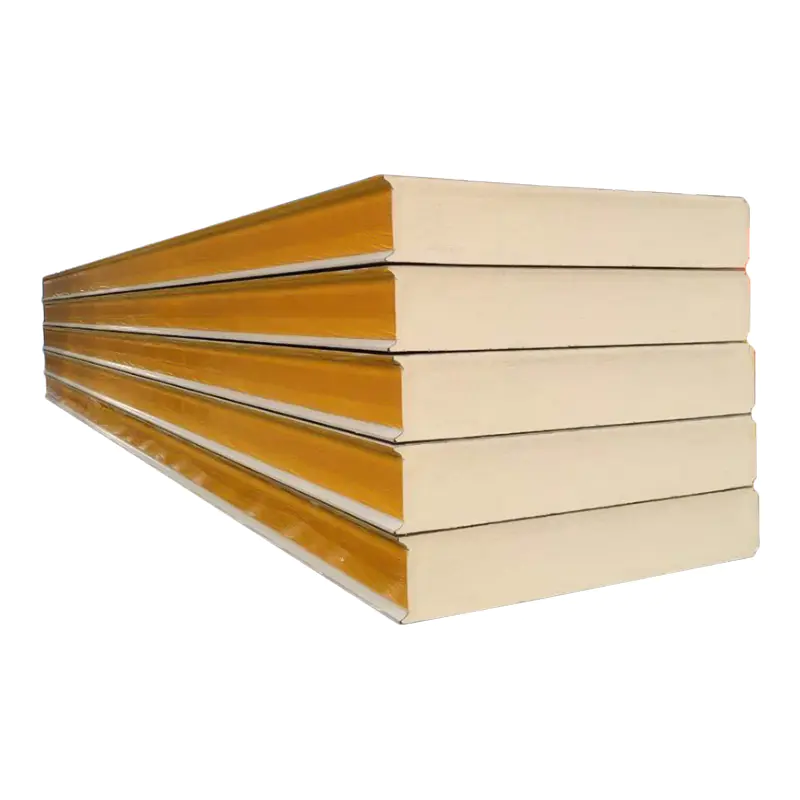
The most critical variable in any climate control warehouse is thermal performance. Prefabricated insulated sandwich panels — typically comprising two steel facings bonded to a rigid foam core of polyurethane (PIR/PUR) or expanded polystyrene (EPS) — achieve U-values as low as 0.13 W/m²K when produced in climate-controlled factories. On-site poured insulation and traditional wall assemblies routinely suffer from inconsistencies, gaps, and thermal bridging that degrade real-world performance.
2. Dramatically Faster Delivery Timelines
A traditionally built climate control warehouse of 5,000 m² may require 12–18 months from groundbreaking to commissioning. A prefabricated equivalent can be fully operational in 4–8 months. Panel manufacturing runs in parallel with site preparation — foundation work, utilities, and drainage — meaning construction phases that previously ran sequentially now overlap. For operators racing to meet cold chain demand, this timeline compression is commercially decisive.
3. Modular Scalability for Growing Operations
One of the most underappreciated advantages of prefab climate control warehouse construction is its inherent scalability. Modular bay systems can be designed from the outset with future expansion in mind. Additional temperature zones — say, a new blast-freezing cell or a chilled ambient buffer area — can be added to an existing prefab structure with minimal disruption to live operations, a nearly impossible feat with poured-concrete construction.
Prefab vs. Traditional Construction: Climate Control Warehouse Comparison
The table below summarizes key performance metrics across the two construction approaches:
| Metric | Prefabricated Warehouse | Traditional Construction |
| Construction Timeline | 4–8 months | 12–18 months |
| Thermal U-Value (Wall) | 0.13–0.20 W/m²K | 0.25–0.45 W/m²K |
| Construction Cost Predictability | High (fixed factory pricing) | Low–Medium (site variables) |
| Vapor Barrier Integrity | Factory-sealed, consistent | Dependent on site crew quality |
| Expansion Flexibility | High — modular bays | Low — structural integration required |
| Waste Generation | 30–50% less | Industry standard |
| Energy Efficiency (Operational) | Up to 35% lower energy cost | Baseline |
| Dismantling / Relocation | Possible with modular design | Not feasible |
Key Components of a Prefabricated Climate Control Warehouse System
Understanding what makes a prefab climate control warehouse perform at the highest level requires examining its core components:
Insulated Sandwich Panels (Walls, Roof, Floor)
The structural backbone of any prefab climate control warehouse is its panel system. PIR (polyisocyanurate) core panels offer the highest insulation-to-thickness ratio, achieving R-values exceeding 6.5 per inch. Panel thicknesses for freezer applications typically range from 150mm to 250mm, while chilled rooms may use 100mm–150mm panels. Tongue-and-groove or cam-lock joinery systems create airtight, thermally continuous joints between panels — eliminating the cold bridges that plague traditional construction.
Steel Structural Frame
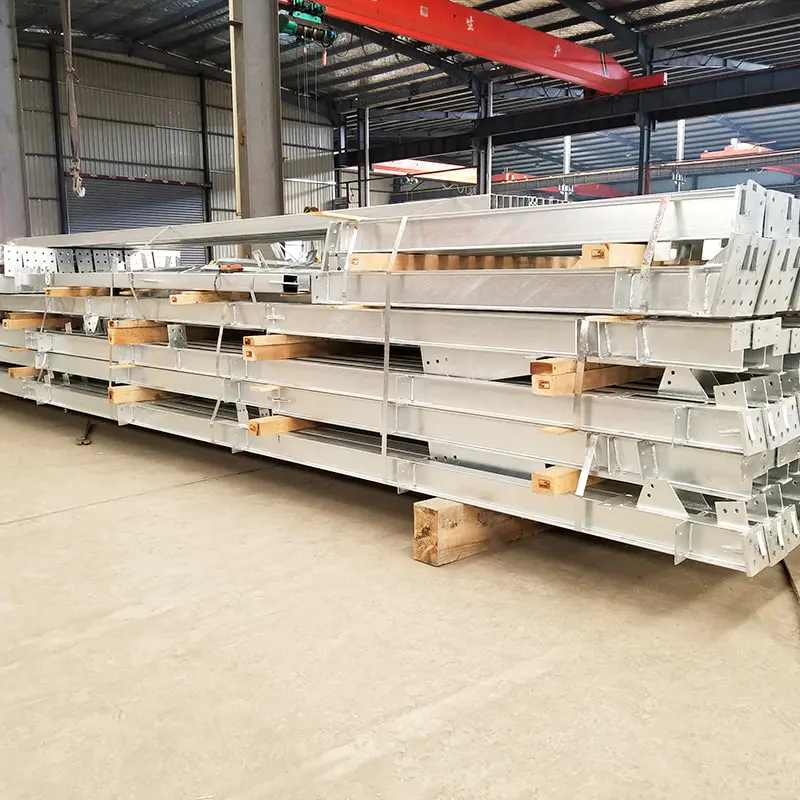
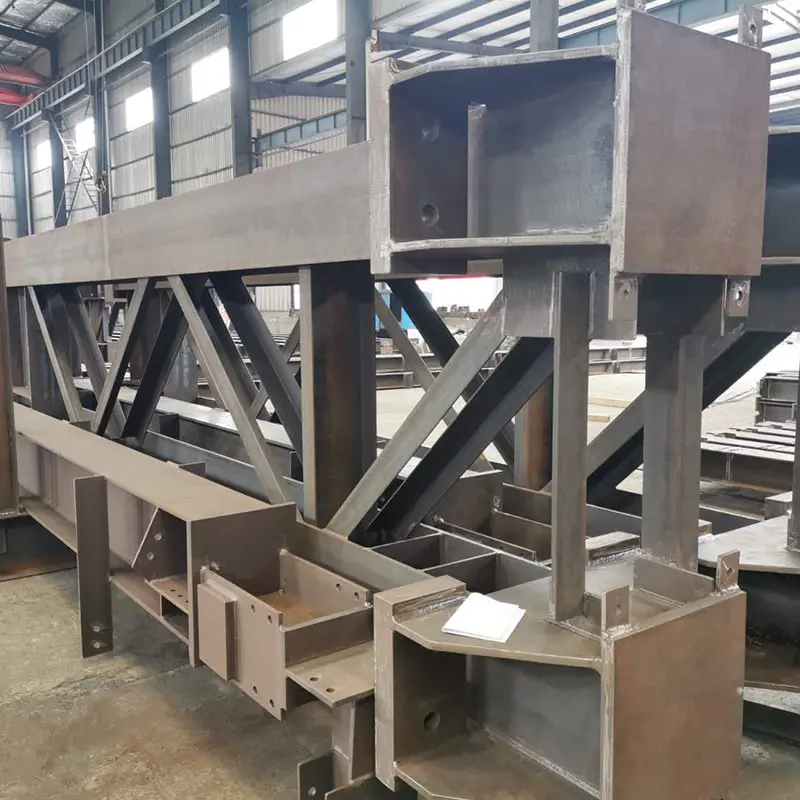
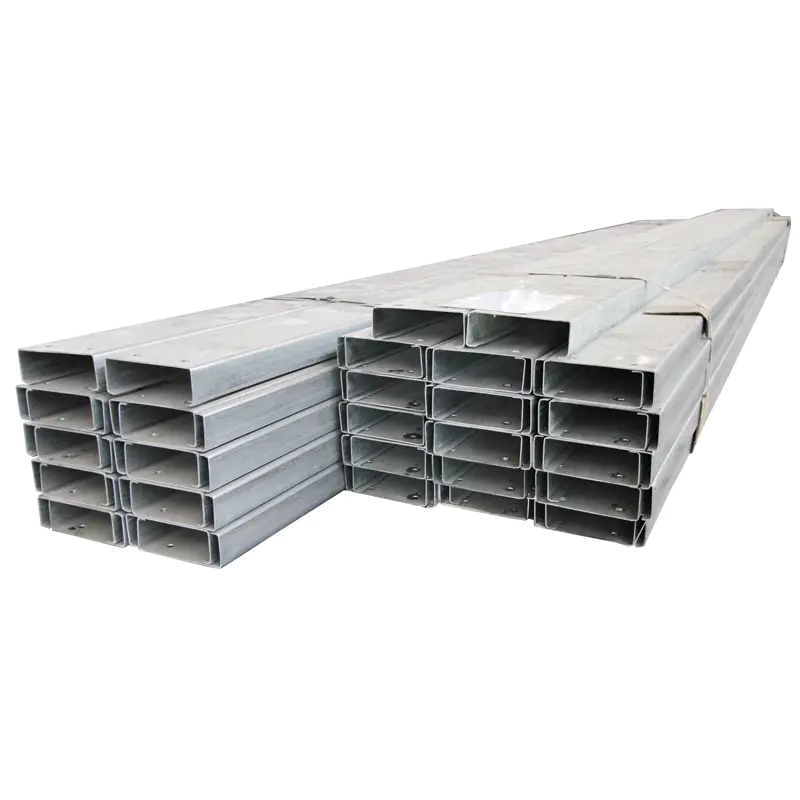
Pre-engineered steel portal frames provide the structural skeleton of a prefab climate control warehouse. Designed using advanced structural analysis software, these frames are fabricated to precise tolerances, hot-dip galvanized for corrosion resistance, and arrive on-site ready for rapid erection. Clear-span designs of 30m+ are achievable without internal columns, maximizing usable floor area and racking flexibility.
Cold Room Doors and Loading Dock Systems
Thermal performance is only as good as its weakest point — and in a climate control warehouse, that's typically the doorways and dock interfaces. Prefab systems integrate purpose-engineered insulated sliding doors, rapid-roll doors, and dock levellers with integrated dock shelters that minimize thermal exchange during loading and unloading cycles. High-cycle door motors rated for sub-zero environments ensure operational reliability at -25°C and below.
Refrigeration and HVAC Systems
A prefab climate control warehouse is designed from the ground up to integrate its refrigeration plant seamlessly. Machine room spaces are built into the prefab structure, refrigerant pipe runs are pre-routed through the panel system during manufacture, and equipment platforms can be factory-installed. This integration reduces commissioning time and ensures that refrigeration systems operate at design efficiency from day one.
Building Management Systems (BMS)
Modern prefab climate control warehouse facilities incorporate fully integrated BMS platforms that provide real-time temperature mapping, alarm management, energy monitoring, and remote access. Pre-wired conduit runs and sensor mounting points — installed during panel fabrication — dramatically reduce the complexity and cost of controls integration.
Designing Multiple Temperature Zones in a Single Prefab Climate Control Warehouse
One of the most powerful capabilities of prefabricated construction is the ability to create a climate control warehouse with multiple, independently managed temperature zones within a single building footprint:
| Zone Type | Temperature Range | Typical Applications | Panel Thickness |
| Ambient Controlled | +15°C to +25°C | Dry goods, electronics, cosmetics | 80–100mm |
| Chilled Storage | +2°C to +8°C | Fresh produce, dairy, pharmaceuticals | 100–150mm |
| Frozen Storage | -18°C to -25°C | Frozen food, ice cream, fish | 150–200mm |
| Blast Freezing | -35°C to -40°C | Rapid product freezing cells | 200–250mm |
| Ultra-Low Temp | -60°C to -80°C | Biomedical, research storage | 250–300mm |
Sustainability Advantages of Prefab Climate Control Warehouse Construction
As ESG commitments become central to corporate strategy, the sustainability profile of a climate control warehouse is no longer an afterthought. Prefabricated construction delivers measurable environmental advantages:
- Reduced Construction Waste: Factory manufacturing generates 30–50% less material waste compared to on-site construction, with offcuts recycled within the production process.
- Lower Operational Energy Consumption: Superior envelope performance reduces refrigeration load, translating directly to lower electricity consumption and reduced carbon emissions over the building's lifecycle.
- Natural Refrigerant Compatibility: Prefab climate control warehouse systems are increasingly designed around natural refrigerants (NH₃, CO₂, propane) with zero or near-zero global warming potential.
- Solar PV Integration: Pre-engineered roof structures can be designed from the outset to carry solar panel arrays, enabling on-site renewable energy generation to offset refrigeration load.
- Reduced Site Disruption: Less on-site activity means lower local emissions from machinery, reduced noise pollution, and a smaller temporary footprint during construction.
Regulatory Compliance for Climate Control Warehouse Facilities
A climate control warehouse must navigate a complex regulatory environment. Prefabricated systems are typically delivered with full documentation packages to support compliance with:
- Food Safety Standards: HACCP, FSMA, BRC Global Standards, and IFS Food require that temperature-controlled storage facilities maintain auditable thermal records and hygienic surfaces. Prefab panels offer smooth, cleanable steel-faced surfaces as standard.
- Pharmaceutical GDP/GMP: Good Distribution Practice guidelines require validated temperature control, with qualification documentation (IQ/OQ/PQ). Prefab systems can be supplied with thermal mapping reports from factory testing.
- Fire Safety: PIR-core panels carry fire performance ratings and can be specified to Euroclass B or C. Intumescent systems and fire-rated door assemblies are available as integrated components.
- Building Regulations: Prefab manufacturers provide full CE marking, structural calculations, and energy performance certificates for planning and building control submissions.
Frequently Asked Questions: Prefabricated Climate Control Warehouse
Conclusion: Prefab Is the Future of Climate Control Warehouse Construction
The evidence is overwhelming: for operators, developers, and supply chain managers who need to deploy climate control warehouse capacity quickly, efficiently, and at high performance, prefabricated construction is not just a viable alternative — it is increasingly the benchmark against which traditional construction is measured.
From factory-precise insulation performance and accelerated delivery timelines to modular scalability and superior lifecycle energy efficiency, the prefab climate control warehouse model addresses the most critical pain points of the cold storage sector head-on. As global cold chain investment continues to grow — driven by pharmaceutical cold chains, food safety legislation, and e-commerce perishables logistics — prefabricated construction will play an increasingly central role in how the world stores what matters most.
For any organization evaluating a new climate control warehouse project, engaging with specialist prefab system providers early in the design process — before site acquisition or planning submission — will deliver the greatest return on investment, the shortest path to operations, and the strongest long-term energy performance.