English
 русский
 Español
Metal Building Materials play a significant role in modern construction, and one of the leading innovations in this sector is the use of Pre-Engineered Metal Buildings (PEMB). These buildings have become a preferred choice for various industrial, commercial, and residential purposes. But what exactly is PEMB, and why is it gaining popularity?
Understanding Pre-Engineered Metal Buildings (PEMB)
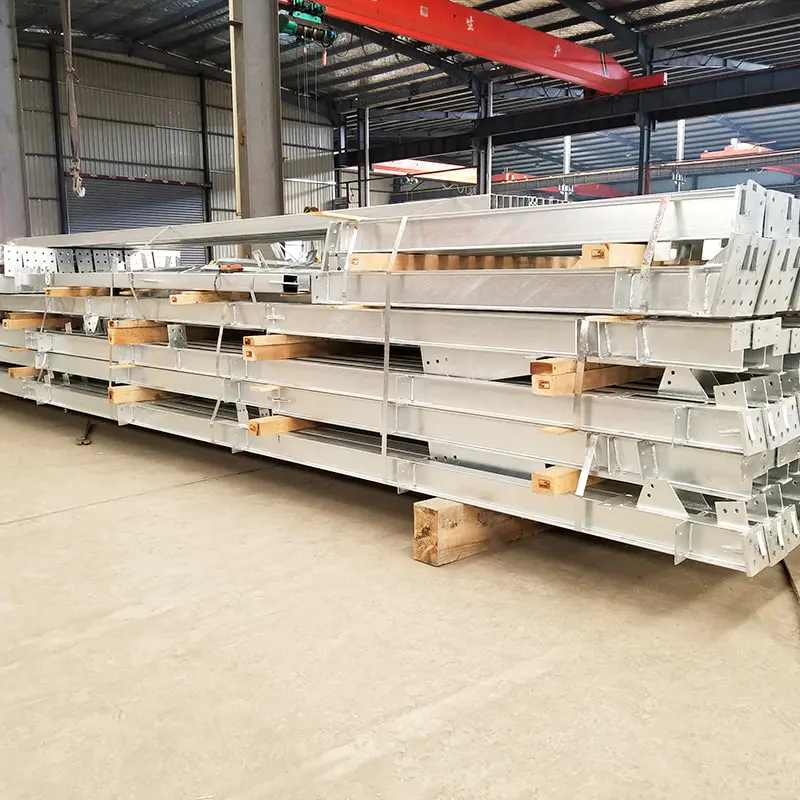
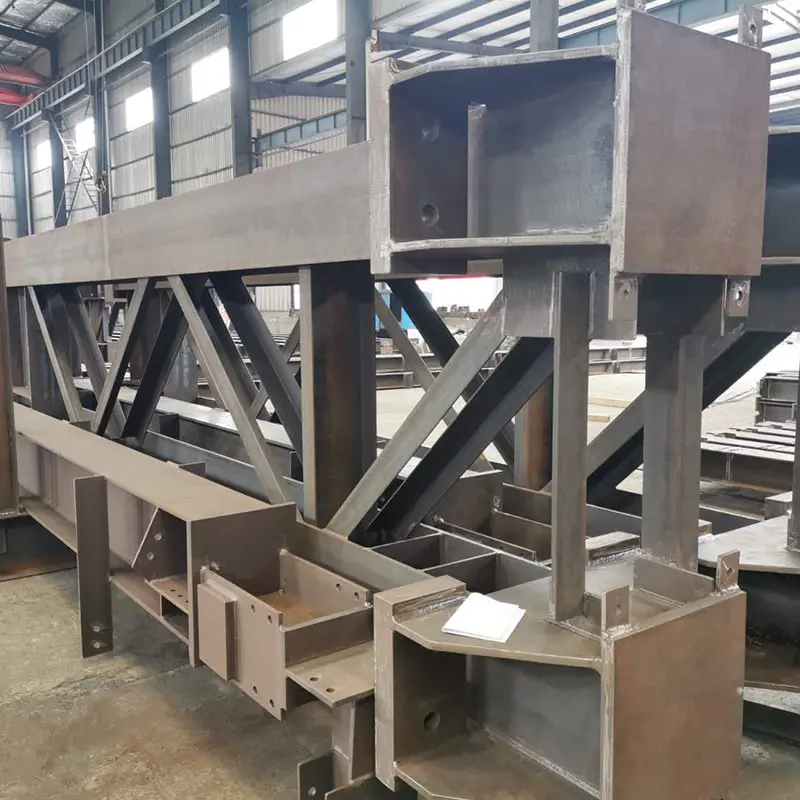
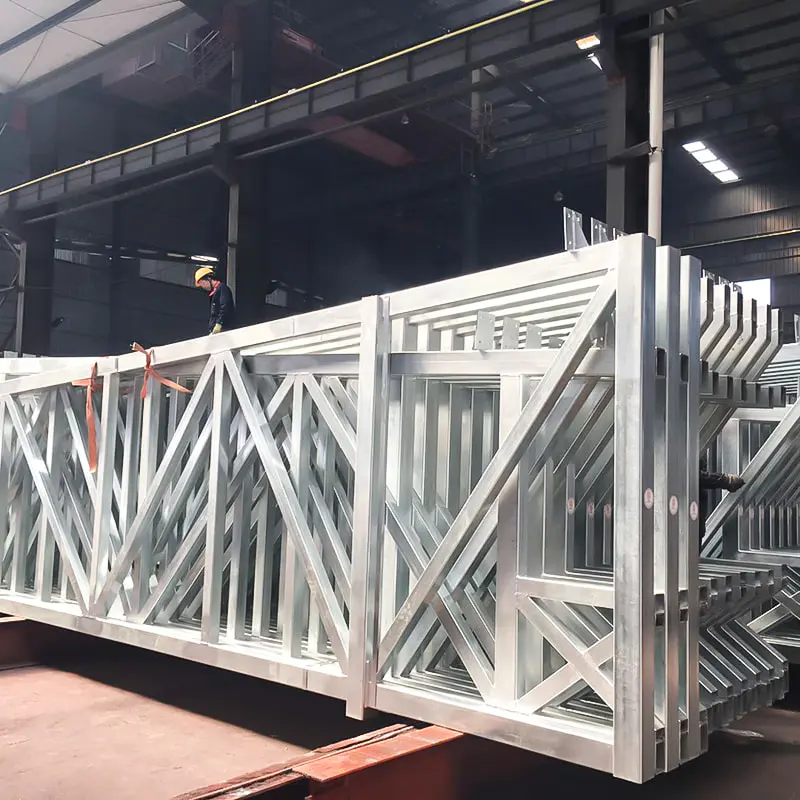
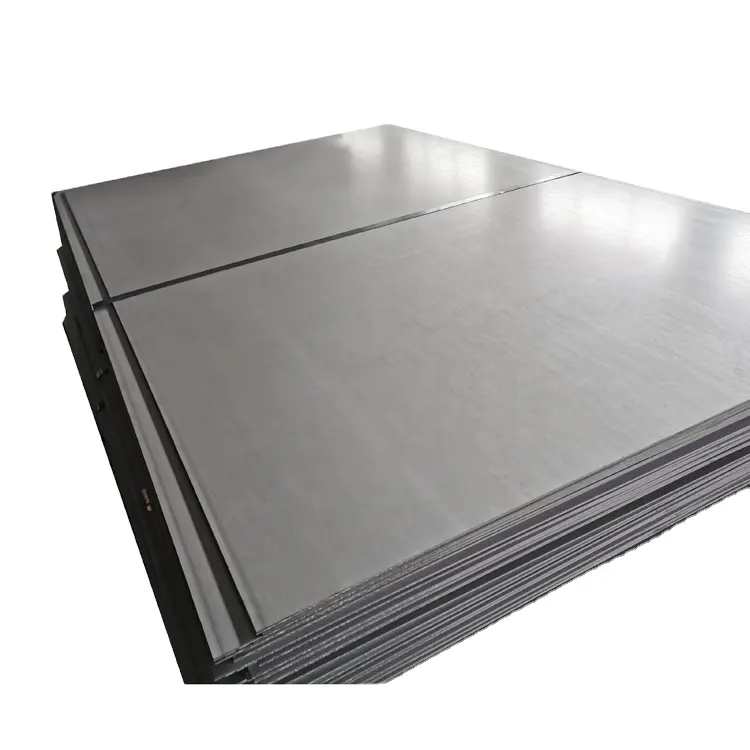
Pre-Engineered Metal Buildings (PEMB) refer to structures that are designed, fabricated, and pre-assembled in a factory before being shipped to the construction site for installation. These buildings are constructed from high-quality metal building materials such as steel, which offers enhanced durability, sustainability, and cost-effectiveness. The entire building system, including the structural frame, walls, and roofing, is pre-engineered to fit the specific needs of the client.
The Components of a PEMB
The main components of a PEMB include:
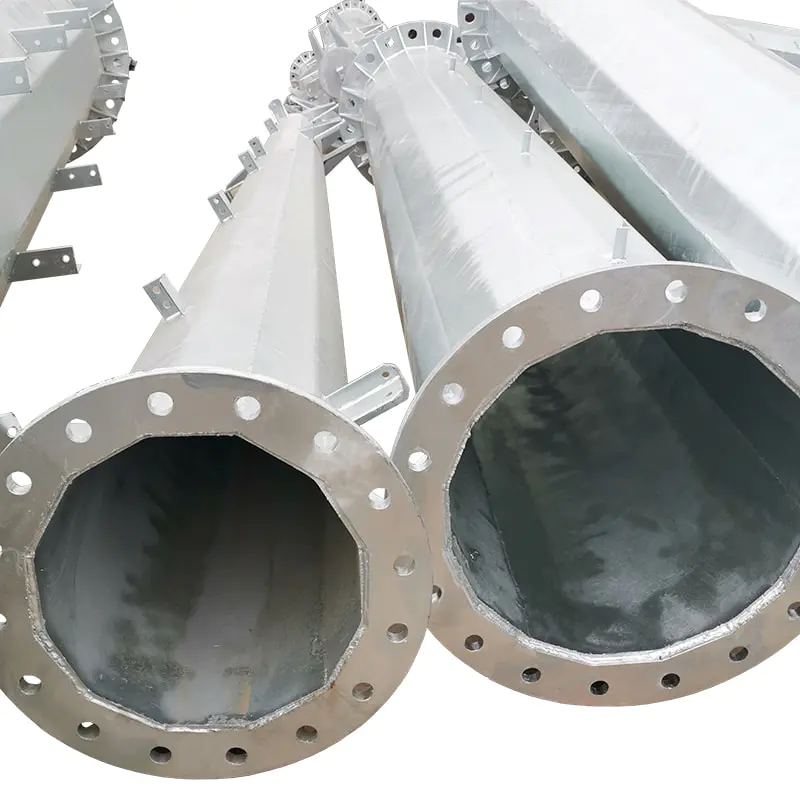
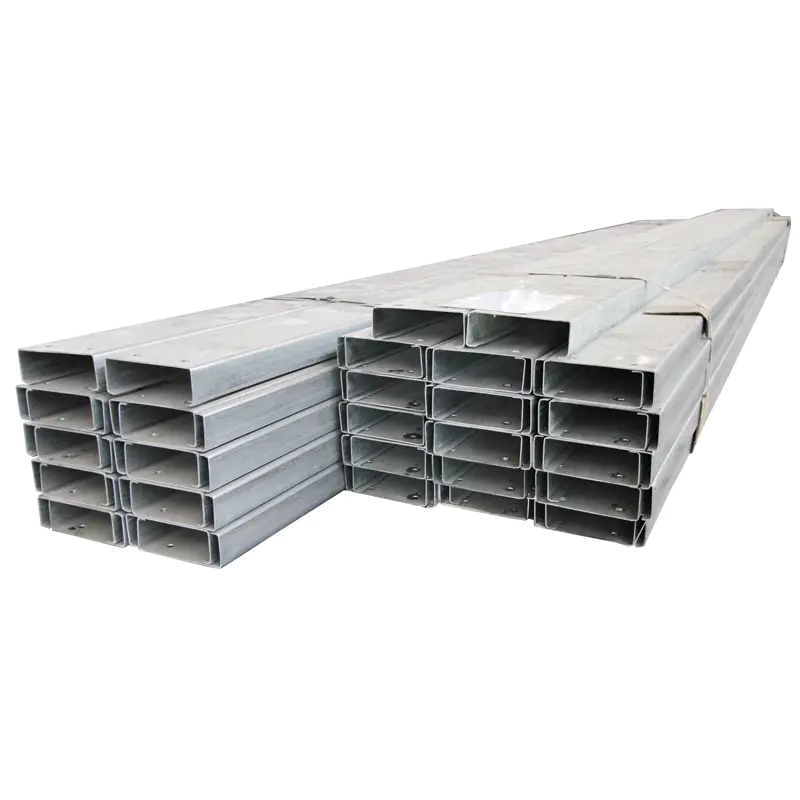
- Structural Frame: Comprising beams, columns, and supports made of steel or other metals.
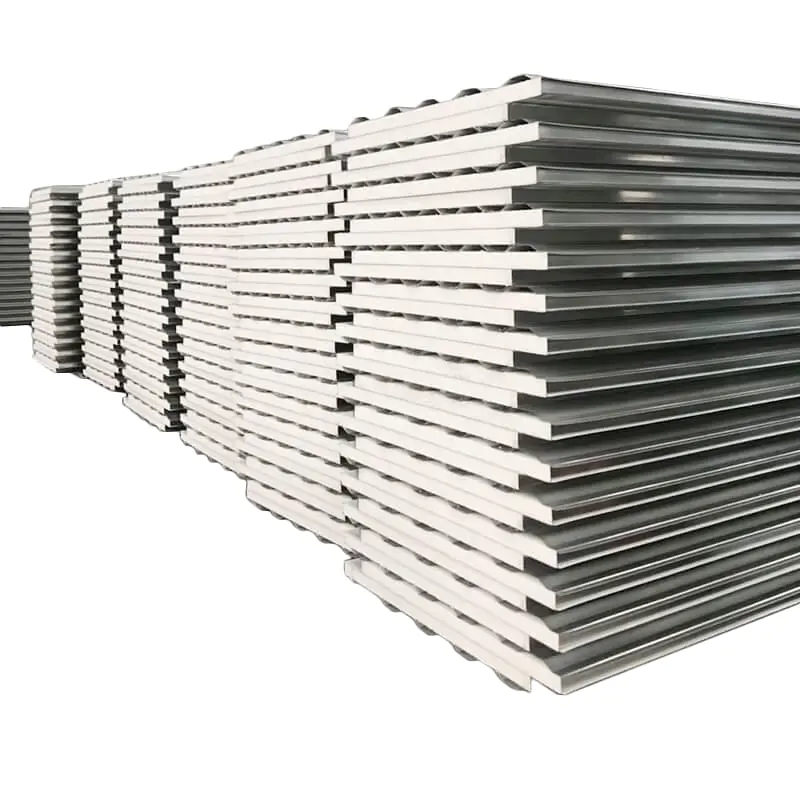
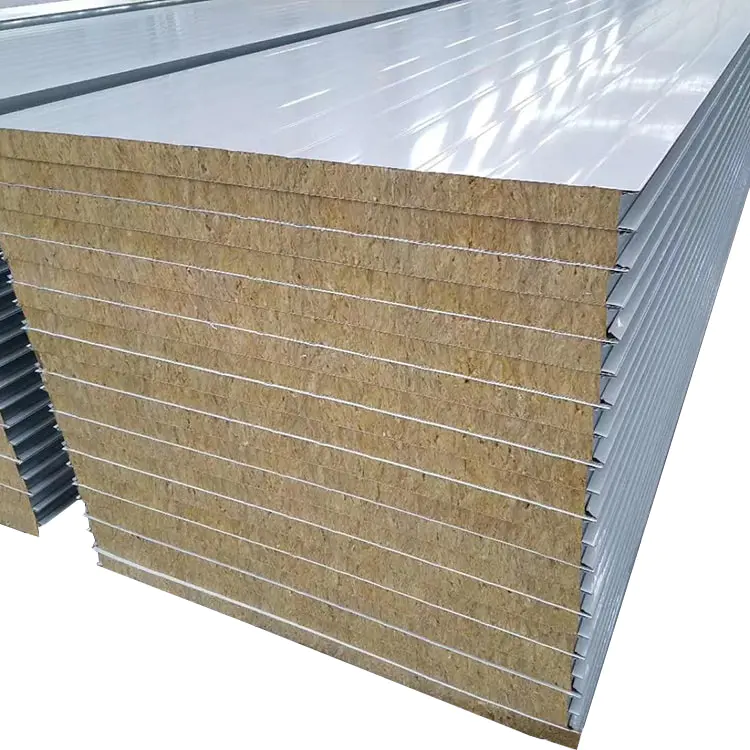
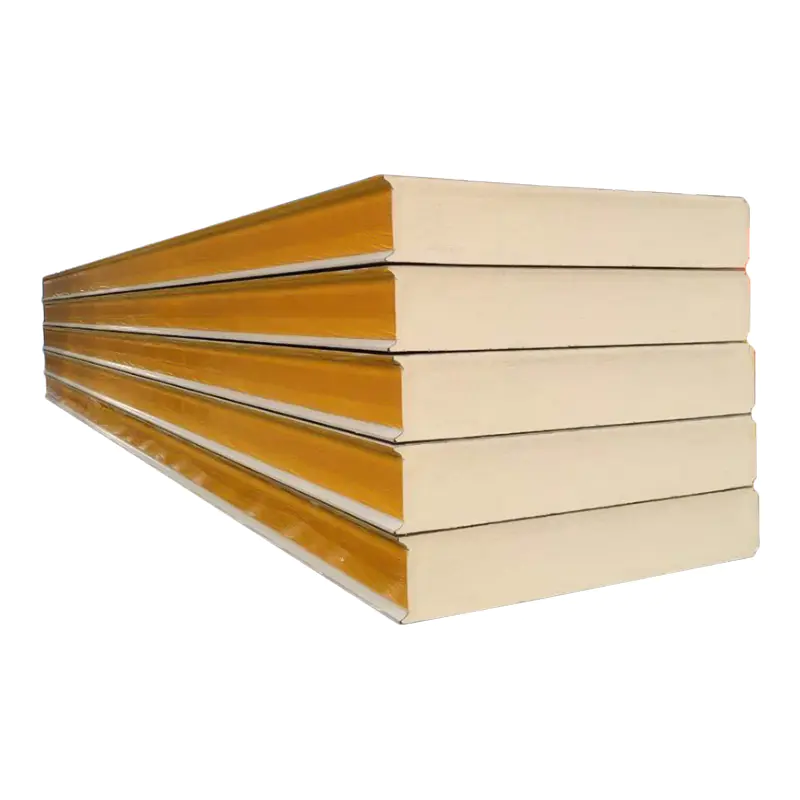
- Wall Panels: Typically made from insulated metal panels (IMPs) or corrugated steel.
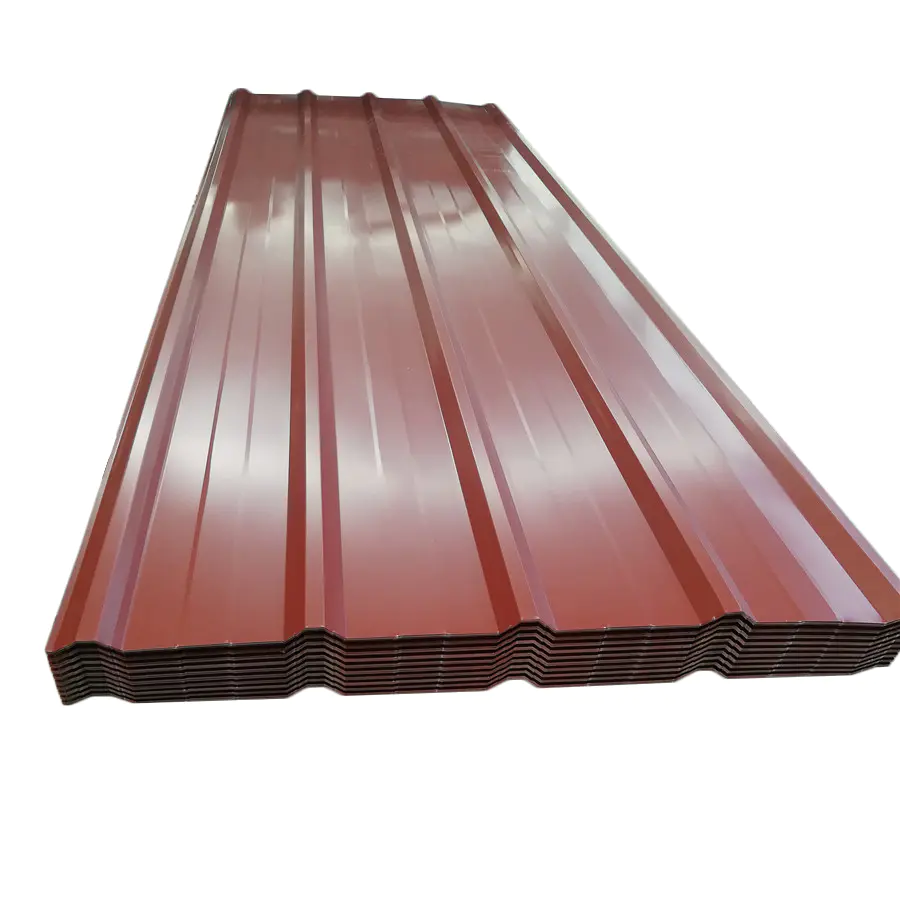
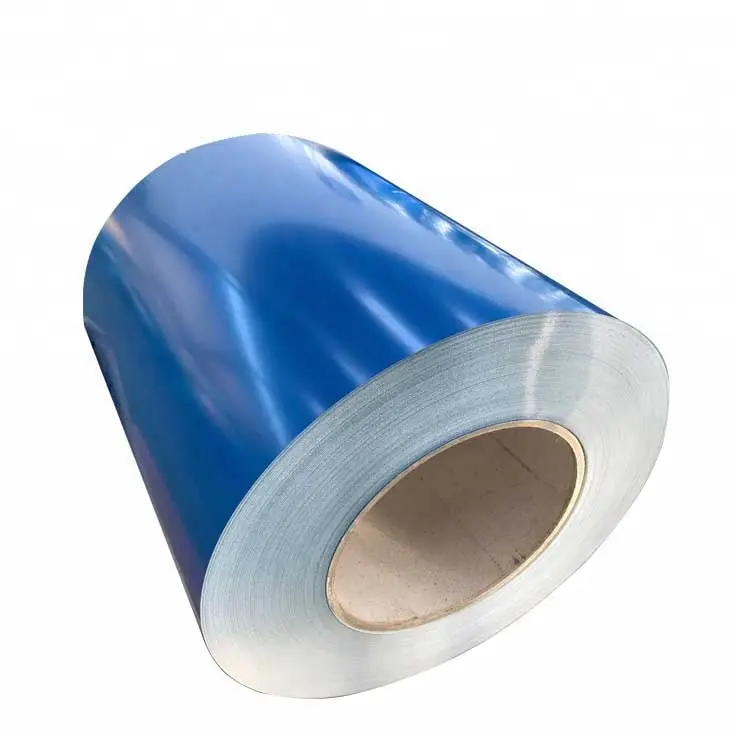
- Roofing System: Featuring metal roofing panels designed for durability and thermal efficiency.
- Accessories: Includes doors, windows, and other functional elements that complement the structure.
Advantages of Pre-Engineered Metal Buildings (PEMB)
PEMBs offer several advantages that make them ideal for various types of construction projects. These advantages include:
- Cost Efficiency: The prefabrication process reduces labor costs and construction time, resulting in significant savings.
- Durability: Metal building materials provide superior strength, resilience, and resistance to weather elements.
- Design Flexibility: PEMBs can be customized to meet the specific needs of the project, including different layouts, dimensions, and finishes.
- Sustainability: Many PEMBs are designed with energy efficiency in mind, utilizing insulated panels and environmentally friendly materials.
- Faster Construction: Since much of the building is pre-engineered and assembled off-site, installation is faster and more streamlined.
PEMB vs. Traditional Construction Methods
When comparing PEMBs with traditional building methods, the differences are clear. Traditional construction often involves on-site assembly, which can take longer and incur more costs due to labor, delays, and material wastage. In contrast, PEMBs are prefabricated, which leads to faster construction times and minimized waste. Here's a comparison between PEMBs and conventional construction:
| Feature | PEMB | Traditional Construction |
|---|---|---|
| Construction Time | Shorter | Longer |
| Labor Costs | Lower | Higher |
| Customization | High | Moderate |
| Sustainability | High | Variable |
Common Applications of PEMB
PEMBs are used in a wide range of applications, including:
- Warehouses and Storage Facilities
- Manufacturing Plants
- Retail and Commercial Buildings
- Recreational and Sports Facilities
- Residential Buildings
FAQs about PEMB in Construction
Q1: How long do PEMBs last?
PEMBs are designed to last for several decades, with a lifespan of 30 to 50 years or more, depending on the quality of materials and maintenance.
Q2: Can PEMBs be expanded in the future?
Yes, PEMBs are highly customizable and can be expanded or reconfigured as business needs evolve.
Q3: Are PEMBs earthquake-resistant?
PEMBs are engineered to meet local building codes, which often include earthquake resistance requirements, making them suitable for seismic areas.
Conclusion
Pre-Engineered Metal Buildings (PEMBs) have revolutionized the construction industry by offering a cost-effective, durable, and sustainable alternative to traditional construction methods. The use of metal building materials in PEMBs ensures long-lasting structures that can be customized to meet various needs. As construction projects demand faster, more efficient, and eco-friendly solutions, PEMBs are poised to be the future of modern architecture.