English
 русский
 Español
Pre-engineered metal buildings (PEMB) are structures that are designed, manufactured, and assembled in a factory before being transported to the construction site for quick and efficient installation. These buildings are becoming increasingly popular across various industries due to their cost-effectiveness, speed of construction, and durability.
Understanding Pre-Engineered Metal Buildings
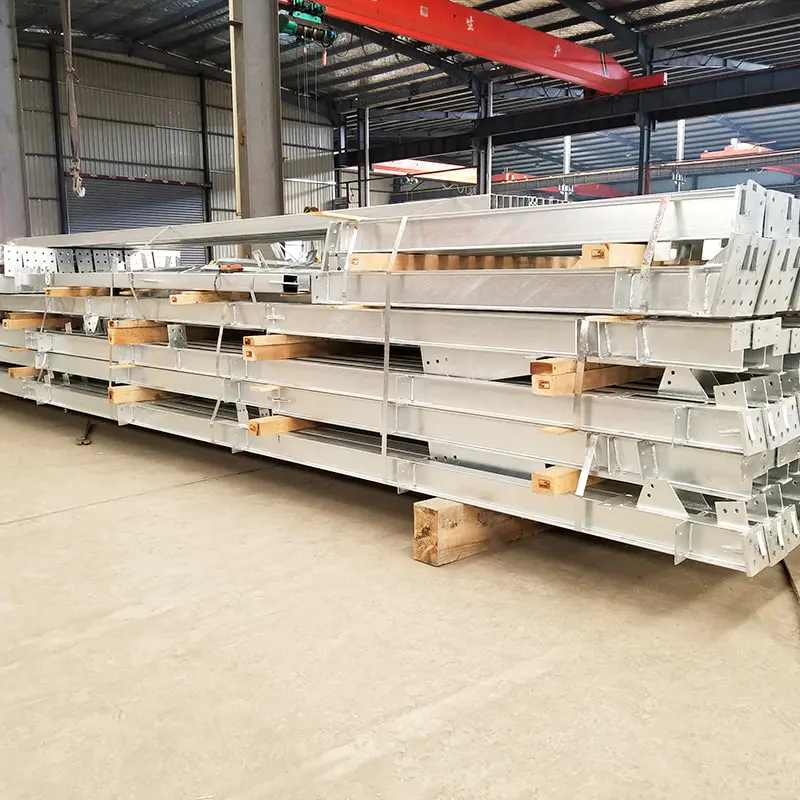
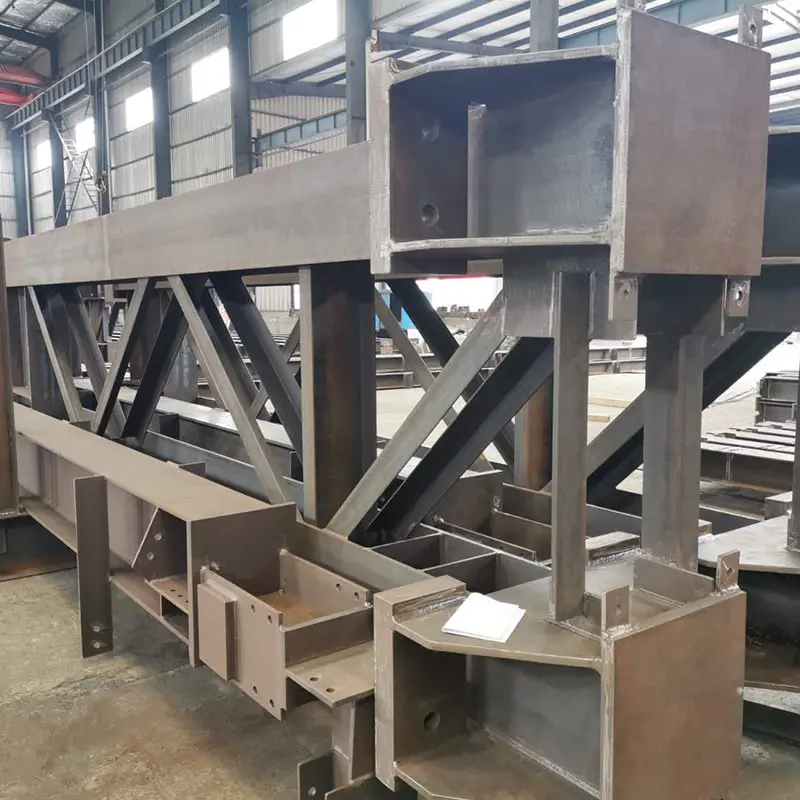
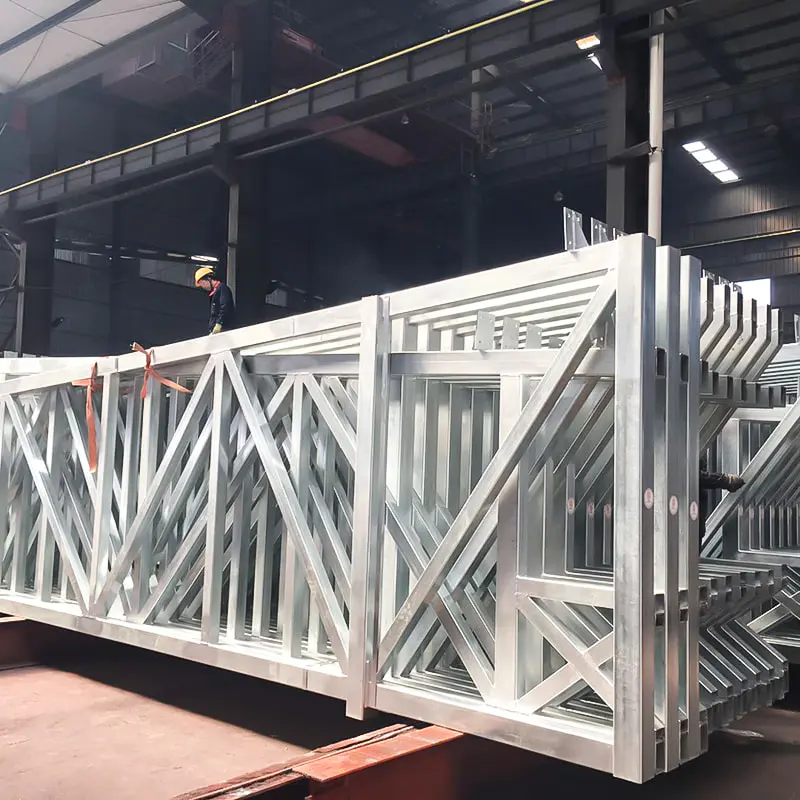
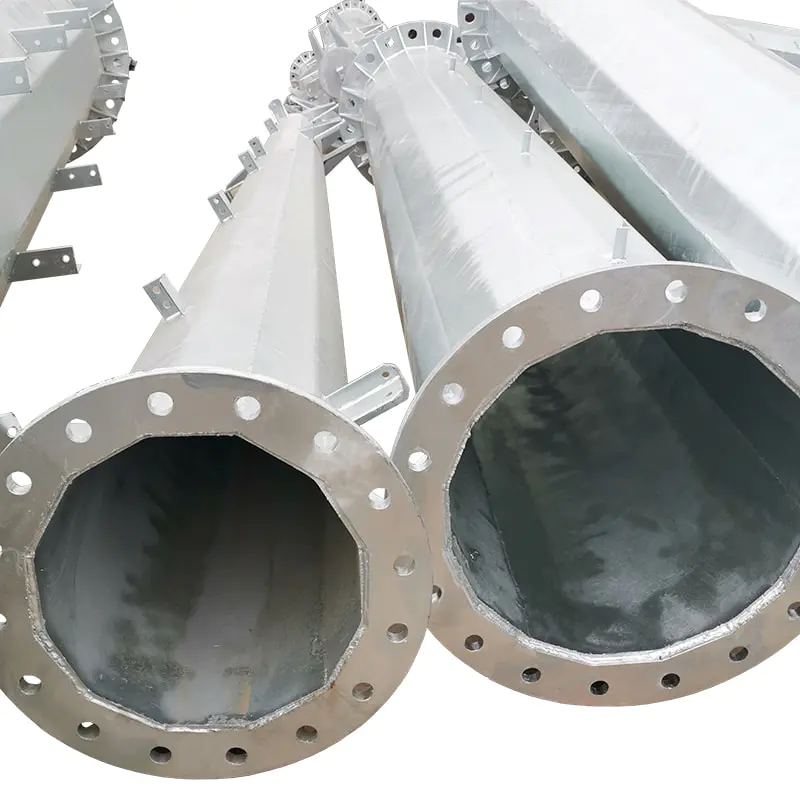
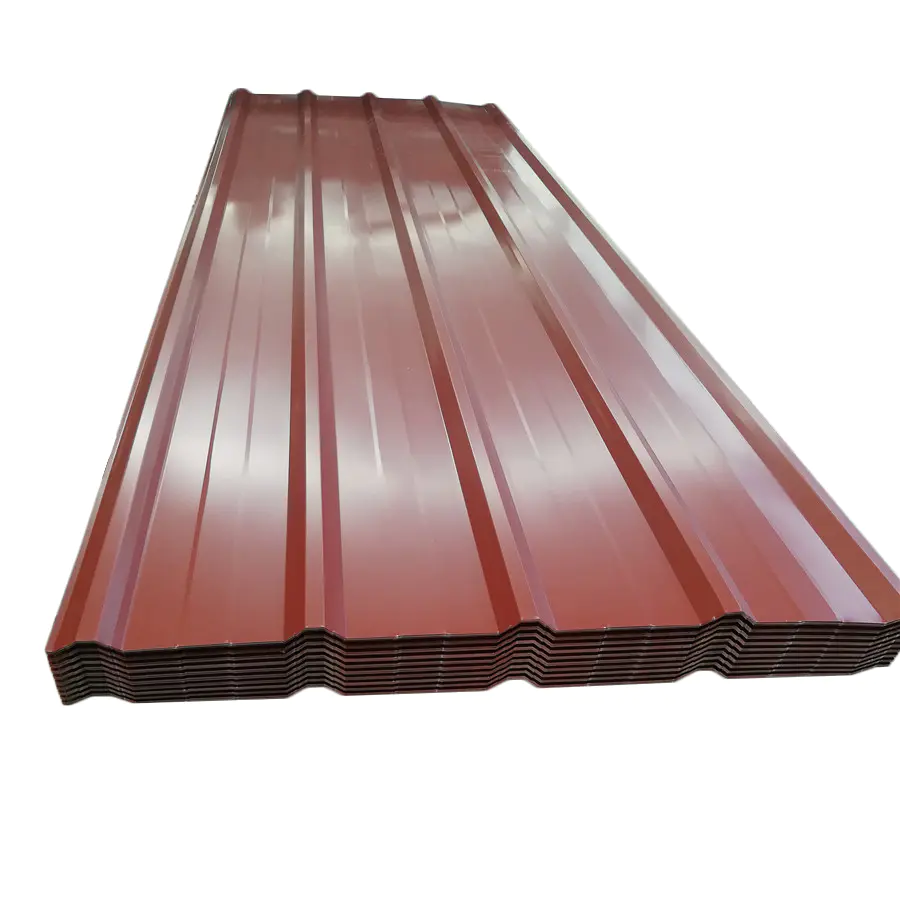
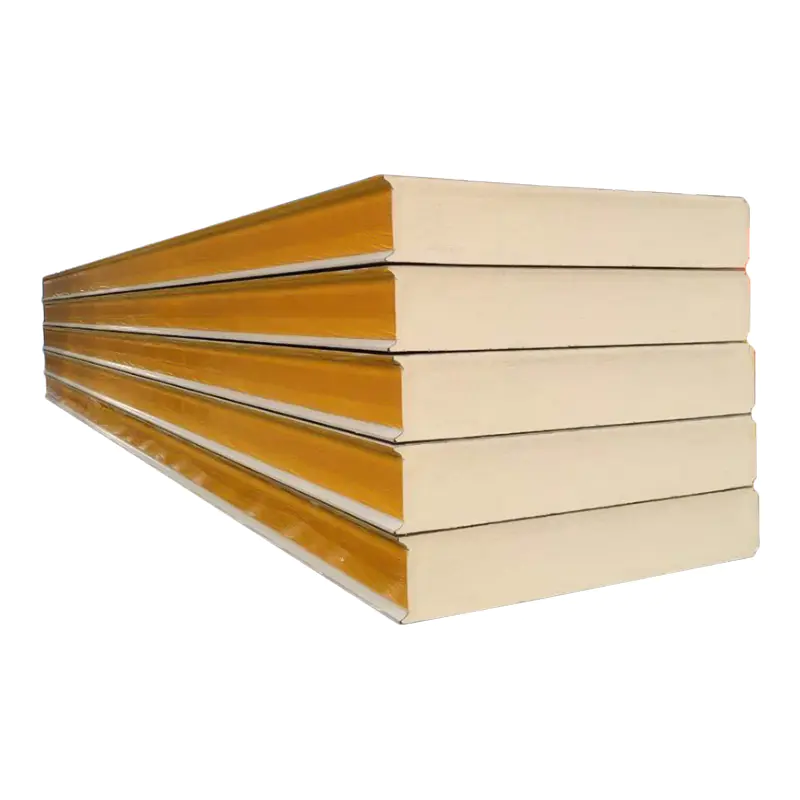
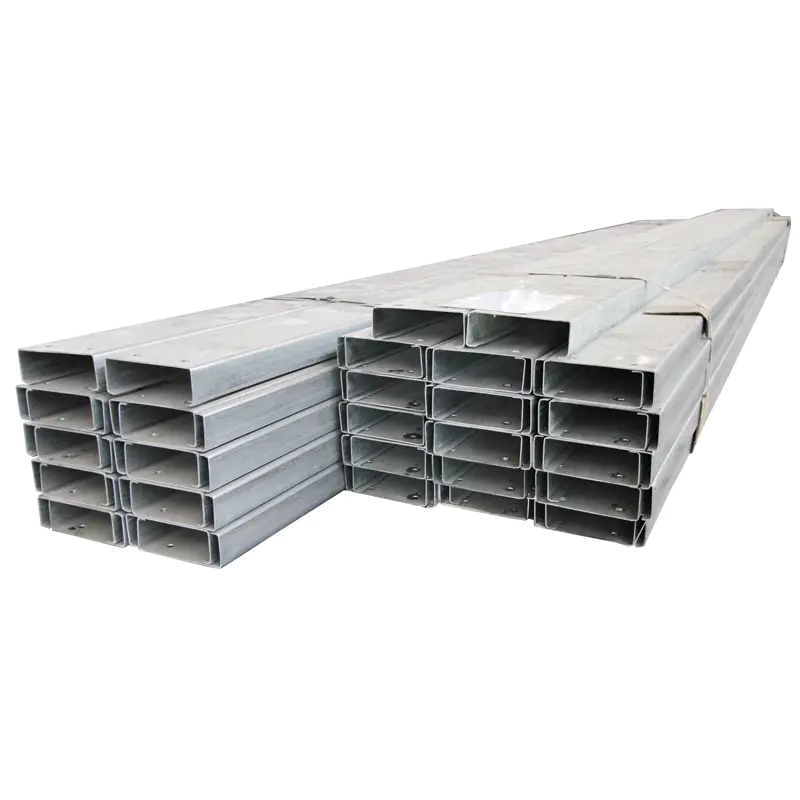
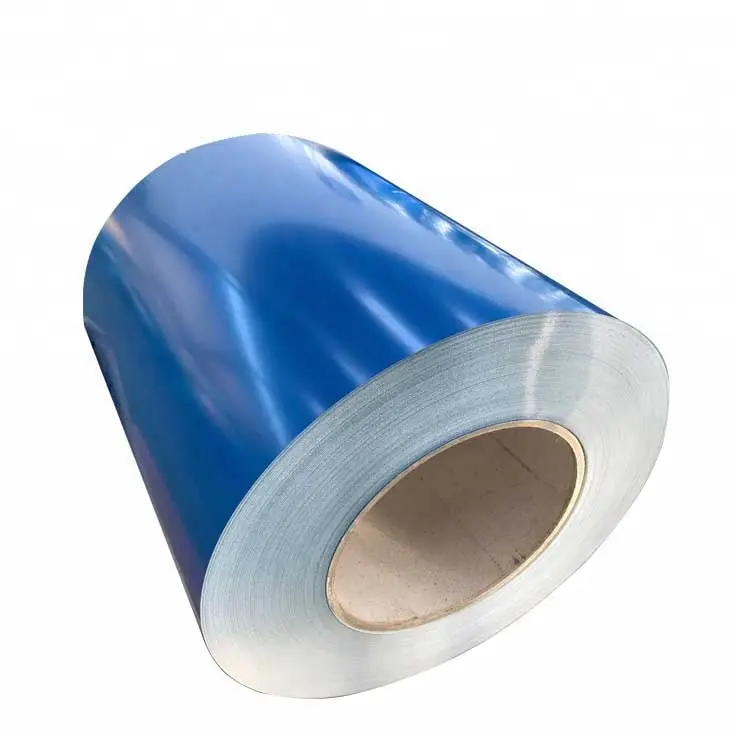
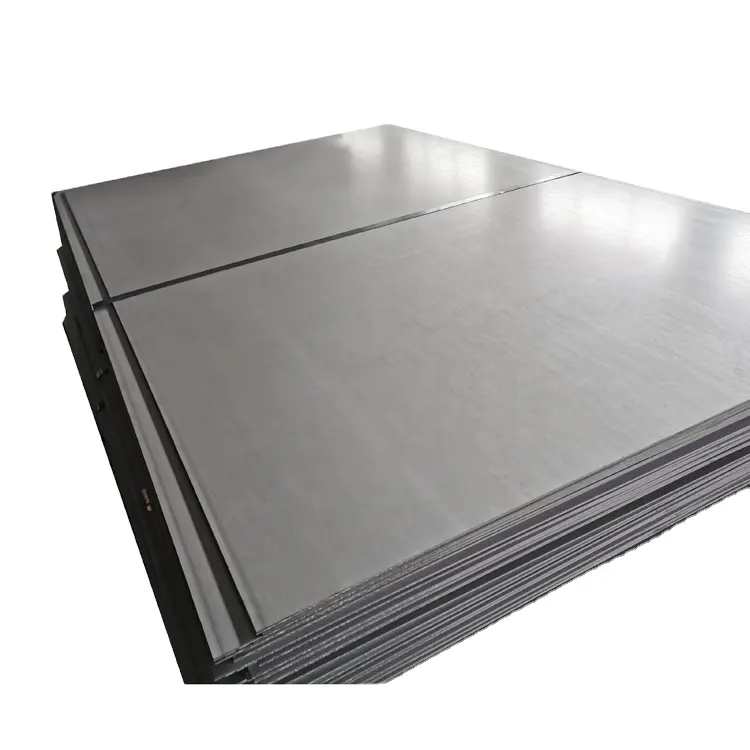
Pre-engineered metal buildings are prefabricated steel structures that are customized to meet specific requirements. These buildings are made from metal building materials such as steel or aluminum, which are known for their strength, resistance to weather, and low maintenance needs. The construction process involves pre-fabricating the components in a controlled factory environment, allowing for high-quality production, reduced construction time, and cost savings.
Key Features of Pre-Engineered Metal Buildings
- Speed of Construction: With prefabricated components, the construction process is much faster than traditional buildings.
- Cost-Effective: Reduced labor costs and faster construction lead to lower overall costs.
- Durability: Metal buildings are highly resistant to elements like fire, pests, and harsh weather conditions.
- Customizability: Pre-engineered metal buildings can be designed to meet specific functional and aesthetic needs.
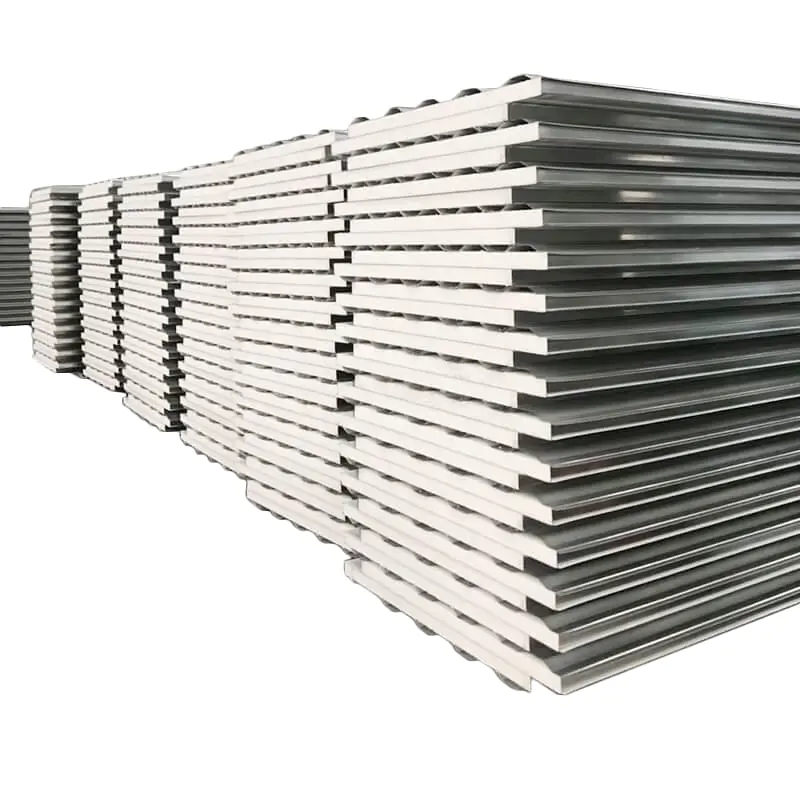
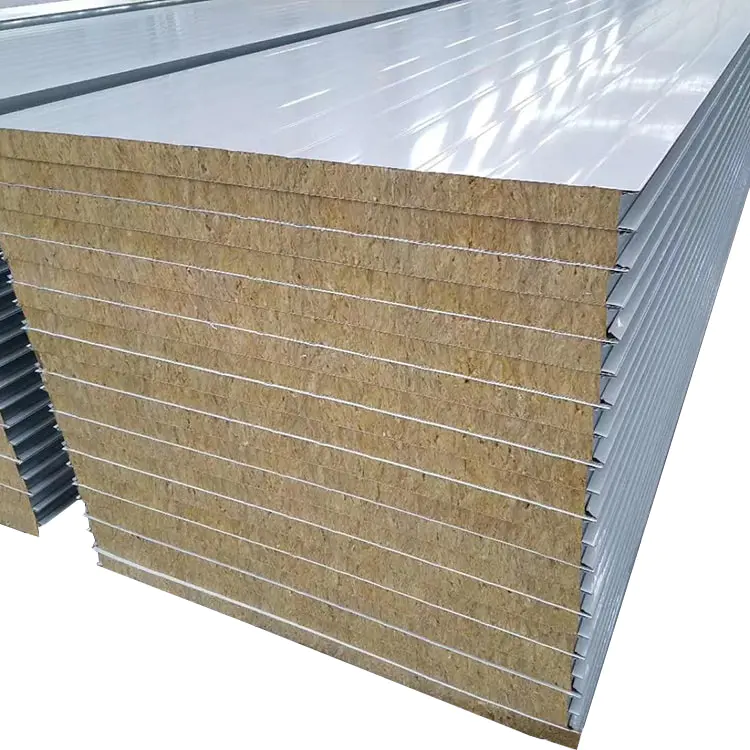
- Energy Efficiency: Many metal buildings come with energy-saving options like insulation and reflective roofing.
Types of Pre-Engineered Metal Buildings
Pre-engineered metal buildings are versatile and come in various forms depending on the purpose and specifications of the project. Below are some common types:
1. Industrial Metal Buildings
These are used for warehouses, factories, and distribution centers. They are designed for heavy-duty applications, providing ample space for storage, machinery, and workforce.
2. Commercial Metal Buildings
These are ideal for retail shops, offices, and other commercial establishments. These buildings are often customized with large windows, distinctive facades, and efficient floor plans.
3. Agricultural Metal Buildings
Used for farming, livestock housing, and storage of farm equipment, agricultural metal buildings are designed to withstand the demands of rural environments.
4. Recreational Metal Buildings
These are commonly used for sports complexes, fitness centers, and community halls. These buildings can be designed with open floor spaces and large roof spans.
5. Residential Metal Buildings
Some homeowners prefer pre-engineered metal buildings for their homes due to their low maintenance and longevity. These buildings are often used as secondary homes, garages, or even as the main residence.
Advantages of Pre-Engineered Metal Buildings
| Advantage | Description |
|---|---|
| Cost Savings | Lower material and labor costs due to prefabrication and quicker construction times. |
| Minimal Maintenance | Durable metal materials that require little upkeep compared to traditional buildings. |
| Design Flexibility | Customizable designs to suit various needs, from storage to commercial applications. |
| Environmental Impact | Steel is a recyclable material, making pre-engineered metal buildings an eco-friendly option. |
Common Applications of Pre-Engineered Metal Buildings
Pre-engineered metal buildings are used across a wide range of industries. Below are some common applications:
- Warehouses and Distribution Centers: Ideal for large-scale storage and logistics operations.
- Manufacturing Facilities: Provides the necessary space for production lines, heavy machinery, and assembly areas.
- Retail Spaces: Customizable and cost-effective for commercial purposes, such as stores and showrooms.
- Agricultural Buildings: Used for barns, grain silos, and equipment storage.
- Recreational Facilities: Can be designed for gyms, sports complexes, and arenas.
Frequently Asked Questions
1. What is the lifespan of a pre-engineered metal building?
Pre-engineered metal buildings have a long lifespan, often lasting 50-100 years with proper maintenance. The materials are resistant to corrosion and wear, making them a durable choice for long-term investment.
2. Can pre-engineered metal buildings be modified after construction?
Yes, pre-engineered metal buildings are flexible and can be modified or expanded if needed. Adding additional space or altering the design is possible due to the modular nature of the building components.
3. How energy-efficient are pre-engineered metal buildings?
Many pre-engineered metal buildings offer energy-saving options such as reflective roofing, insulated panels, and energy-efficient windows. These features help to reduce heating and cooling costs significantly.
4. Are pre-engineered metal buildings suitable for residential use?
Yes, pre-engineered metal buildings can be used for residential purposes. They are becoming increasingly popular for secondary homes, workshops, and garages due to their cost-effectiveness and durability.
Conclusion
Pre-engineered metal buildings are an excellent solution for a wide range of applications, offering flexibility, cost savings, and durability. Whether you're building a warehouse, a retail store, or a residential home, these structures provide a reliable and sustainable option. With metal building materials at the core of the design, these buildings are set to continue growing in popularity due to their benefits in speed, efficiency, and environmental friendliness.