English
 русский
 Español
Warehouse building construction involves the planning, design, and physical assembly of large-scale storage and distribution facilities. A standard warehouse project typically costs between $25 and $100+ per square foot, takes 6 to 18 months to complete, and requires careful decisions around structural systems, site selection, zoning, and end-use requirements. Whether you are developing a small regional storage unit or a massive fulfillment center, understanding each phase of the construction process is critical to staying on budget and on schedule.
- 1. What Is Warehouse Building Construction?
- 2. Types of Warehouse Structures
- 3. Key Phases of Warehouse Building Construction
- 4. Cost Comparison: Warehouse Construction Methods
- 5. Choosing the Right Materials for Warehouse Construction
- 6. Site Selection & Zoning Considerations
- 7. Sustainability in Warehouse Construction
- 8. Common Mistakes to Avoid in Warehouse Construction
- 9. Frequently Asked Questions (FAQ)
- Key Takeaways
1. What Is Warehouse Building Construction?
Warehouse building construction refers to the entire process of erecting a purpose-built facility designed primarily for the storage, handling, and distribution of goods. Unlike commercial office buildings or residential projects, warehouses demand specialized structural planning that accommodates heavy floor loads, large clear-span interiors, high bay ceilings, wide loading dock access, and robust utility infrastructure.
The global boom in e-commerce, manufacturing reshoring, and cold-chain logistics has driven unprecedented demand for new warehouse construction in recent years. Developers, investors, and owner-operators are all seeking efficient, scalable buildings that can be adapted as business needs evolve.
A successful warehouse construction project balances several competing priorities: structural integrity, operational efficiency, construction speed, long-term maintenance costs, and compliance with local building codes and environmental standards.
2. Types of Warehouse Structures
Not all warehouses are built the same. The type of structure you choose will significantly influence construction time, budget, and functional capabilities.
2.1 Steel / Metal Building Warehouses
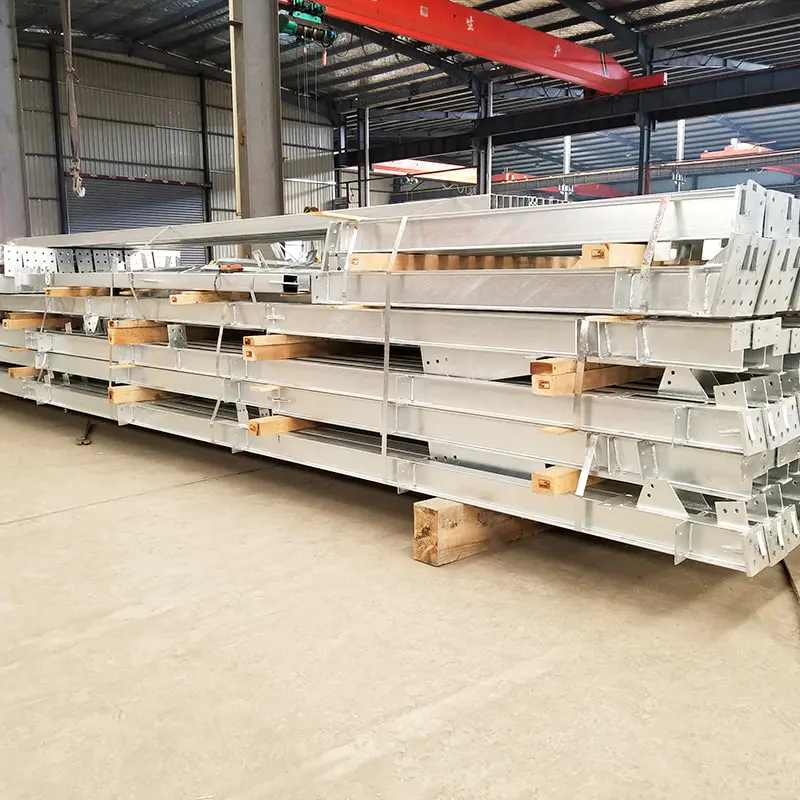
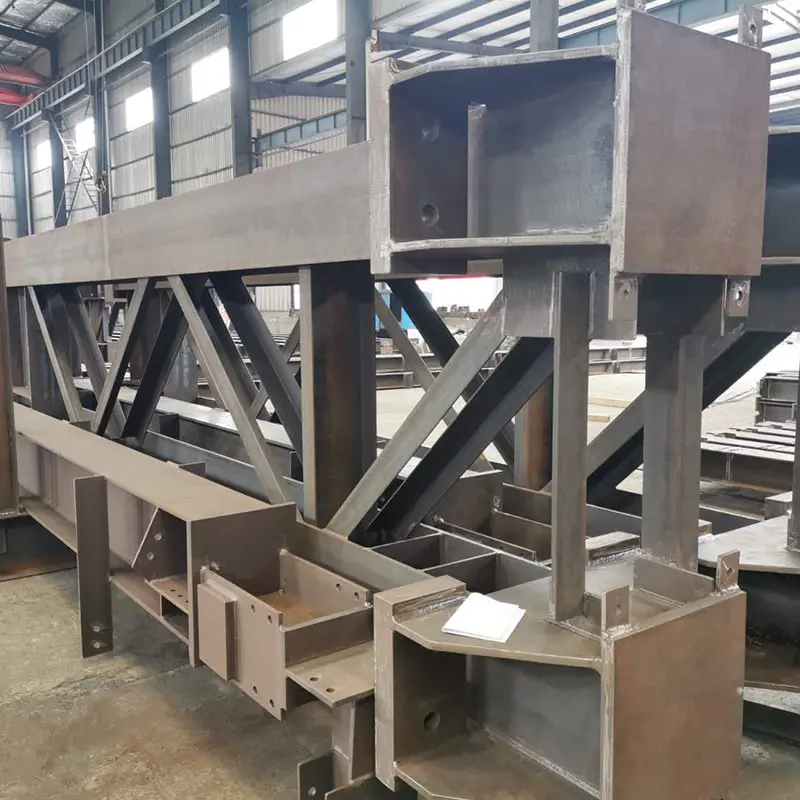
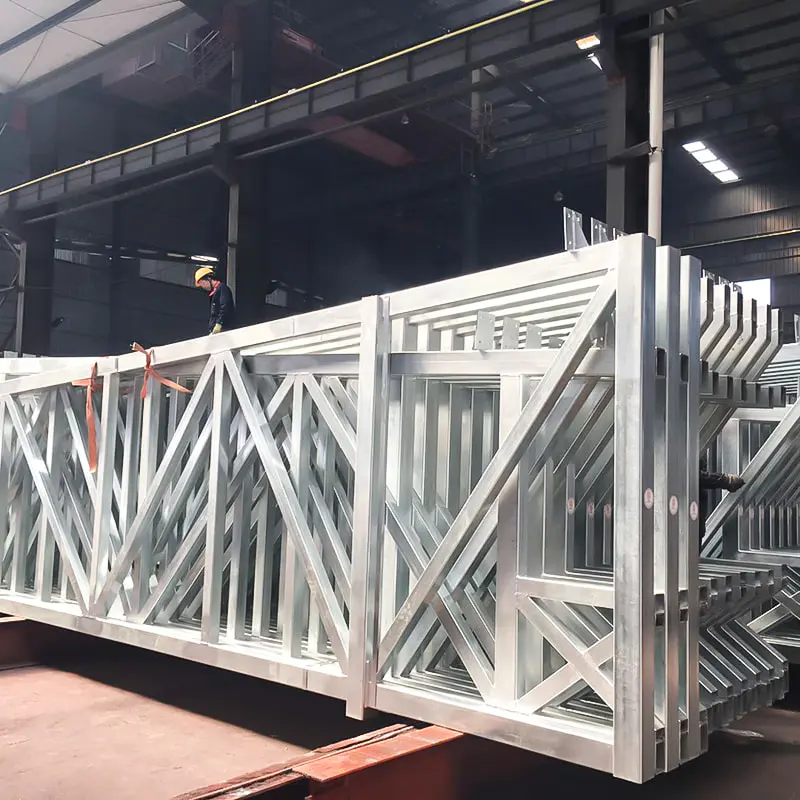
Pre-engineered steel warehouse buildings are the most widely used solution globally. They offer rapid assembly, high strength-to-weight ratios, and excellent design flexibility. Steel structures can achieve clear spans exceeding 300 feet without interior columns, which is ideal for high-density racking systems and automated storage and retrieval systems (ASRS).
2.2 Tilt-Up Concrete Warehouses
Tilt-up construction involves pouring concrete wall panels flat on the floor slab and then tilting them vertically into position. This method is popular in the western United States and large industrial parks because it delivers durable, fire-resistant walls and an attractive finished exterior. Tilt-up warehouse construction is cost-effective at scale and particularly suited for buildings over 50,000 square feet.
2.3 Masonry Block Warehouses
Concrete masonry unit (CMU) construction is slower and more labor-intensive than steel or tilt-up, but produces highly durable walls with excellent thermal mass. This approach is sometimes chosen in regions with strict fire codes or where the building will also serve retail or mixed-use functions.
2.4 Cold Storage / Refrigerated Warehouses
Cold storage warehouse construction requires specialized insulated panels (typically 4–6 inches thick), vapor barriers, refrigeration systems, and frost-protected foundations. These buildings are significantly more expensive per square foot than standard dry-storage warehouses due to the additional mechanical and thermal envelope requirements.
3. Key Phases of Warehouse Building Construction
Every warehouse construction project follows a structured sequence of phases. Understanding each stage helps owners and developers manage expectations, control costs, and minimize delays.
- Pre-Design & Feasibility — Site analysis, program definition, budget modeling, and zoning research.
- Schematic Design — Floor plan development, building orientation, dock placement, and structural system selection.
- Design Development & Permitting — Detailed architectural and engineering drawings, submission of permit applications.
- Site Preparation — Clearing, grading, utility connections, and foundation excavation.
- Foundation & Slab — Pouring the concrete foundation and floor slab, often the most critical structural element for warehouses.
- Structural Framing — Erection of steel frames, columns, and roof systems.
- Exterior Envelope — Installation of wall panels, roofing, windows, and doors.
- MEP Rough-In — Mechanical, electrical, and plumbing systems installed throughout the structure.
- Interior Finishing — Office build-out, dock levelers, dock doors, lighting, and flooring seals.
- Final Inspections & Occupancy — Building inspections, certificate of occupancy, and handover.
4. Cost Comparison: Warehouse Construction Methods
Construction costs vary widely depending on structural system, location, building size, clear height requirements, and finish level. The table below provides a general cost comparison for common warehouse building construction methods in the United States.
| Construction Type | Cost per Sq Ft (USD) | Build Speed | Best For | Durability |
| Pre-engineered Steel | $25 – $60 | Fast (4–10 months) | General storage, distribution | High |
| Tilt-Up Concrete | $40 – $75 | Moderate (8–14 months) | Large distribution centers | Very High |
| Masonry (CMU) | $50 – $90 | Slow (10–18 months) | Mixed-use, urban locations | Very High |
| Cold Storage | $75 – $150+ | Slow (12–18 months) | Food, pharma, cold chain | High (specialized) |
Note: Costs are approximate national averages and may vary significantly by region, labor market, and site conditions.
5. Choosing the Right Materials for Warehouse Construction
Material selection in warehouse building construction affects not just upfront cost but also long-term energy efficiency, maintenance burden, and operational flexibility. Here are the core material considerations:
5.1 Structural Steel
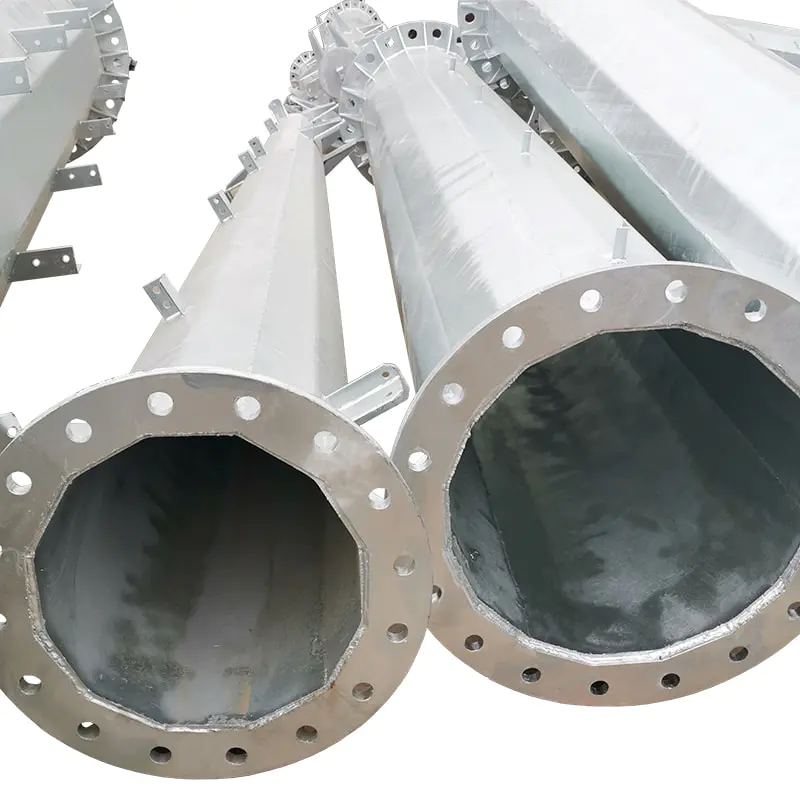
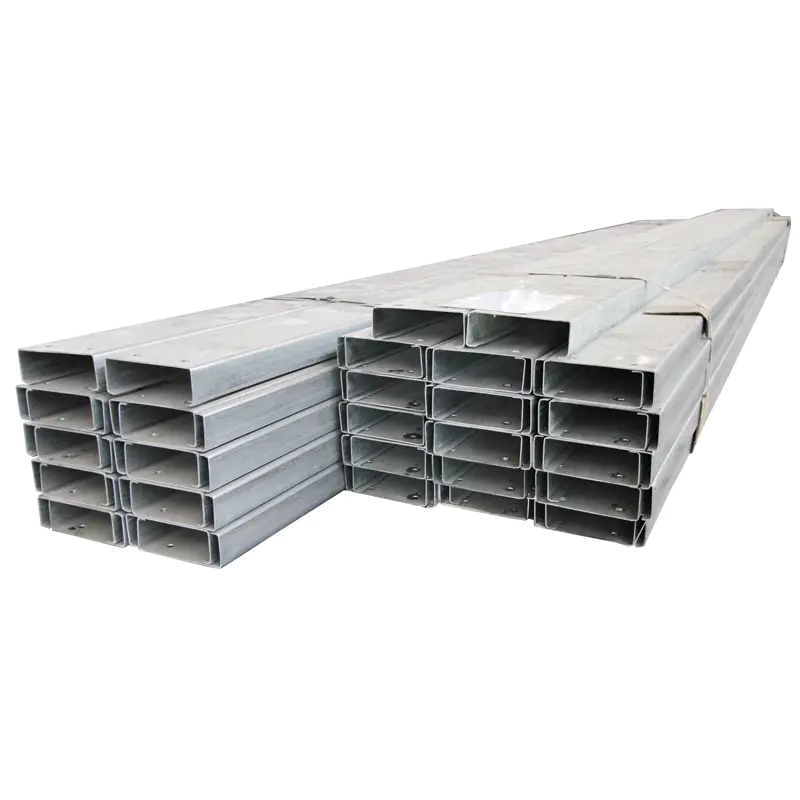
Hot-rolled structural steel remains the backbone of most modern warehouses. Its high strength allows for long-span roof systems with minimal columns, maximizing usable floor space. Galvanized or painted steel provides adequate corrosion protection in most climates.
5.2 Concrete Flooring
The warehouse floor slab is arguably the single most critical element in the building. Floors must be designed for the specific live loads expected (forklifts, racking, heavy equipment). Typical specifications call for 6–8 inch thick slabs with 4,000 PSI compressive strength, fiber reinforcement, and a hard-trowel finish or densifier coating for dust control.
5.3 Roofing Systems
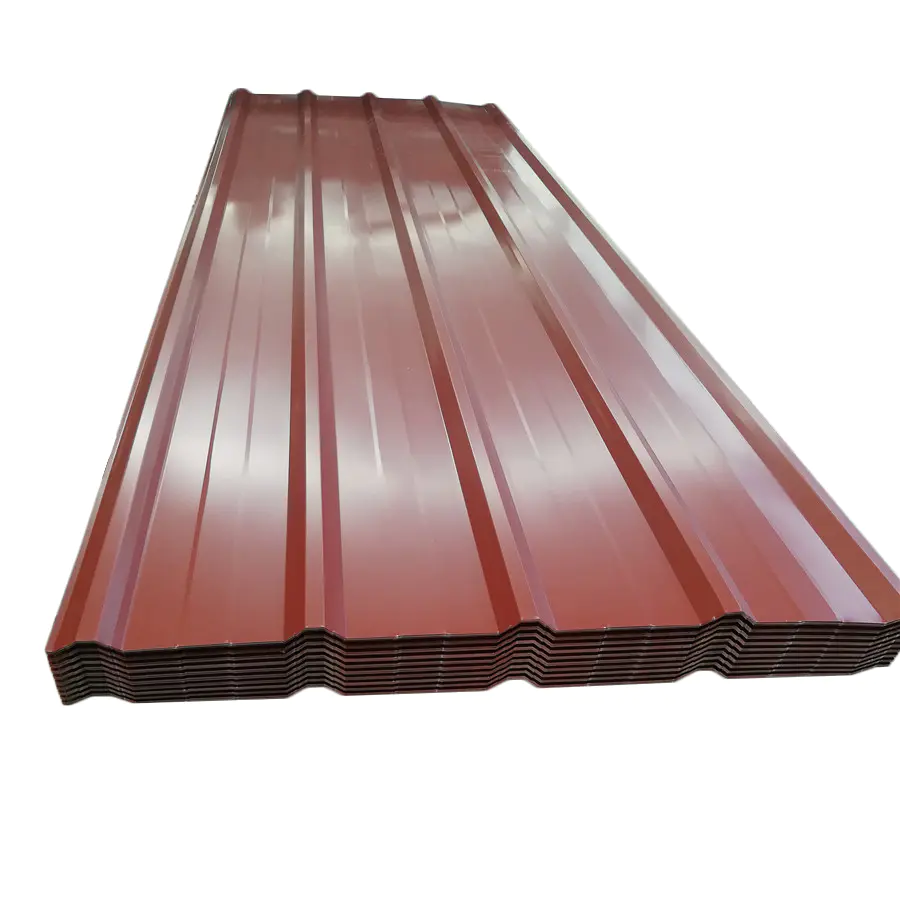
The two most common warehouse roofing options are standing-seam metal roofs and thermoplastic (TPO/EPDM) membrane roofs. Metal roofing offers longevity (40–60 years) and supports solar panel installation; membrane roofing offers lower upfront costs and excellent waterproofing on low-slope structures.
5.4 Wall Panels and Insulation
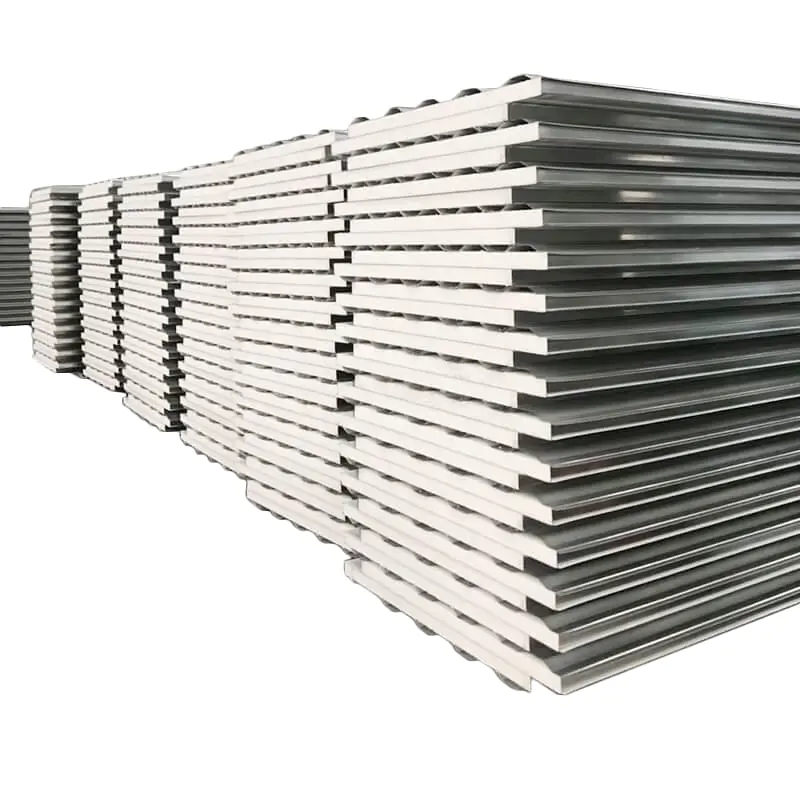
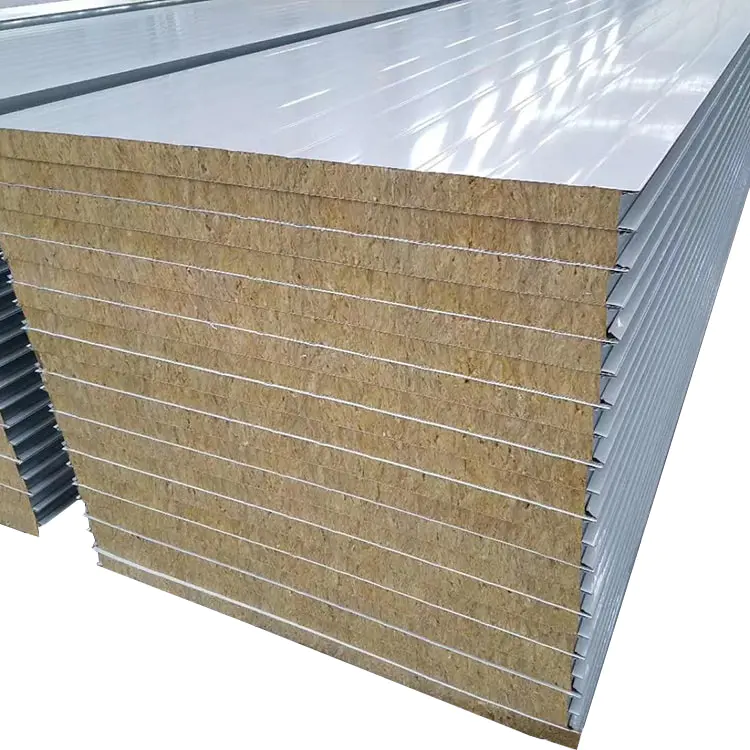
Insulated metal panels (IMPs) are increasingly popular as they combine cladding and insulation into a single product, speeding installation and improving energy performance. R-values of R-19 to R-30 are commonly specified for heated or cooled warehouses.
6. Site Selection & Zoning Considerations
Selecting the right site for a warehouse construction project is just as important as the building design itself. Poor site selection can inflate costs dramatically through unexpected infrastructure upgrades, environmental remediation, or permitting delays.
- Zoning & Land Use: Verify that the parcel is zoned for industrial or heavy commercial use. Rezoning is costly and time-consuming.
- Transportation Access: Proximity to highways, intermodal terminals, and port facilities directly affects logistics efficiency.
- Utilities: Confirm adequate electrical capacity (warehouses often require 1,000–4,000 amps), natural gas, water, and sewer availability.
- Geotechnical Conditions: Soil bearing capacity determines foundation type and cost. Soft or contaminated soils can require deep foundations or remediation.
- Flood Zone Status: Buildings in FEMA flood zones require elevated slabs or flood-proofing measures that increase costs.
- Labor Market: Access to warehouse and logistics labor affects the long-term operational viability of the facility.
Build vs. Lease: Which Is Right for You?
| Factor | Build (Own) | Lease Existing |
| Upfront Cost | High ($5M – $50M+) | Low (deposits only) |
| Long-term Cost | Lower (no rent) | Higher (ongoing rent) |
| Customization | Full control | Limited by landlord |
| Time to Occupancy | 6–18 months | Weeks to months |
| Asset Value | Builds equity | No equity gain |
| Flexibility | Low (long-term commitment) | High (lease terms vary) |
7. Sustainability in Warehouse Construction
Green building practices are increasingly standard in warehouse building construction, driven by regulatory requirements, tenant demand, and long-term operating cost savings.
- Solar-Ready or Solar-Integrated Roofs: Large, flat warehouse roofs are ideal platforms for photovoltaic systems. Many developers build solar-ready to attract tenants who want on-site renewable energy.
- LED Lighting with Daylight Harvesting: High-bay LED fixtures with motion sensors and skylights can reduce lighting energy use by 60–80% compared to older fluorescent or HID systems.
- EV Charging Infrastructure: With the rise of electric delivery fleets, EV charging stations are increasingly required in new warehouse projects.
- Cool Roofing: Highly reflective roof membranes reduce heat island effects and lower cooling costs.
- Stormwater Management: Bioswales, retention ponds, and permeable paving systems manage runoff from large paved areas around warehouse sites.
- LEED Certification: Some developers pursue LEED (Leadership in Energy and Environmental Design) certification to demonstrate sustainability credentials to institutional tenants.
8. Common Mistakes to Avoid in Warehouse Construction
Even experienced developers make avoidable mistakes in warehouse building construction. Here are the most costly errors and how to prevent them:
- Underspecifying the Floor Slab: The floor is the most heavily used structural element. Saving money on slab thickness or concrete strength often leads to cracking, joint deterioration, and expensive repairs within a few years of operation.
- Inadequate Clear Height: Building a warehouse with 24-foot clear height when the market standard is 36 feet can make the building functionally obsolete and difficult to lease or sell.
- Too Few Dock Doors: A common rule of thumb is one dock door per 10,000 square feet, but high-throughput operations may require significantly more. Under-docking a building severely limits operational efficiency.
- Ignoring Trailer Parking: Modern logistics operations require substantial trailer staging and parking areas. Insufficient truck court depth (minimum 130 feet is standard) creates costly congestion.
- Skipping Geotechnical Investigation: A thorough soils report before design begins can prevent costly foundation redesigns mid-construction.
- Underestimating Permitting Time: In many jurisdictions, industrial permits can take 3–12 months. Failing to account for permitting in the project schedule is one of the most common causes of costly delays.
9. Frequently Asked Questions (FAQ)
How long does warehouse building construction take?
The timeline for warehouse construction depends on the building size, structural system, permitting jurisdiction, and weather. A typical steel warehouse of 100,000 square feet can be completed in 8–12 months from groundbreaking if permits are already in hand. Tilt-up or masonry projects may take 12–18 months. Including the pre-design and permitting phase, total project duration from initial planning to occupancy is often 18–24 months.
What is the average cost to build a warehouse per square foot?
In the United States, basic warehouse construction costs range from approximately $25 per square foot for a simple metal building shell to over $100 per square foot for a fully finished, climate-controlled facility with sophisticated mechanical systems. The national average for a mid-spec distribution warehouse is roughly $45–$70 per square foot for the core shell, with tenant improvements adding $5–$25 per square foot depending on office content, dock equipment, and interior finish.
What clear height should a warehouse have?
Modern logistics and e-commerce warehouses typically require a minimum clear height of 32 to 40 feet. Buildings with 36-foot clear height are currently considered the market standard for institutional-grade distribution facilities. Older warehouses with 24-foot or 28-foot clears are increasingly considered functionally obsolete for high-throughput operations. Higher clear heights allow for taller racking systems and greater cubic storage capacity.
Is pre-engineered steel the best option for warehouse construction?
Pre-engineered steel buildings are the most cost-effective and fastest option for most warehouse construction projects under 500,000 square feet. However, tilt-up concrete offers superior durability, better aesthetics, and stronger fire resistance for larger institutional buildings. The best choice depends on your specific budget, timeline, end-use requirements, and local market conditions.
Do I need a general contractor or a design-build firm for my warehouse project?
Both approaches have merit. A traditional general contractor model separates design (architect/engineer) and construction, giving you more control over the design process. A design-build firm handles both under a single contract, which typically results in faster delivery and clearer accountability. For straightforward warehouse construction with well-defined requirements, design-build is often the preferred choice. For complex, highly customized facilities, a traditional approach may be more appropriate.
What permits are required for warehouse construction?
Required permits for warehouse building construction typically include a building permit, grading and drainage permit, environmental review (in some jurisdictions), fire suppression permit, mechanical and electrical permits, and a certificate of occupancy. Some locations also require a traffic impact study or conditional use permit from the planning department. Engaging a local land use attorney or expeditor early in the process can significantly reduce permitting risk and timeline.
Key Takeaways
- Warehouse building construction costs range from $25 to $150+ per square foot depending on type, size, and specification.
- Pre-engineered steel buildings offer the fastest build speed; tilt-up concrete offers superior long-term durability.
- Clear height, floor slab quality, and dock door count are the three most operationally critical design decisions.
- Site selection, zoning, and permitting must be addressed early to avoid costly delays.
- Sustainability features like solar-ready roofs and LED lighting deliver measurable long-term ROI.