English
 русский
 Español
Cold storage warehouses are critical for maintaining perishable goods, pharmaceuticals, and other temperature-sensitive products. Successful cold storage warehouse construction requires careful planning, compliance with regulations, and advanced cold store design and construction strategies.
Key Requirements for Cold Storage Warehouses
Ensuring optimal performance starts with understanding the fundamental cold storage warehouse requirements. These include temperature control, insulation, structural integrity, and energy efficiency.
- Temperature Control: Different products require different storage temperatures. For example, frozen foods need -18°C, while fresh produce may require 0°C to 5°C.
- Insulation: High-quality insulation reduces energy costs and maintains consistent internal temperatures.
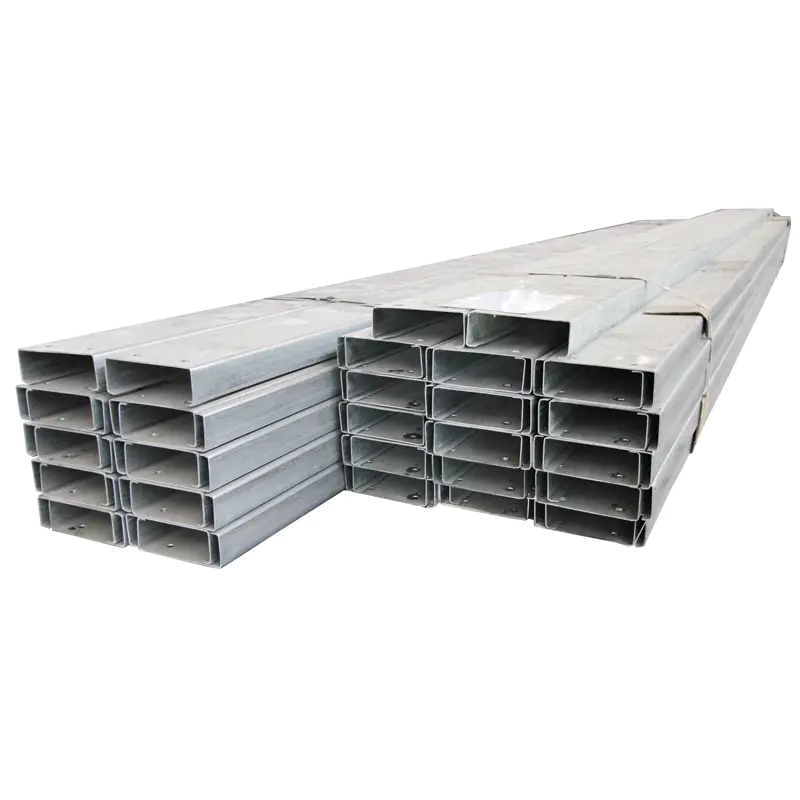
- Structural Integrity: Buildings must support heavy storage racks and withstand environmental stresses.
- Energy Efficiency: Modern refrigerated warehouse design incorporates energy-saving technologies, including LED lighting and automated temperature monitoring.
Comparison of Cold Storage Types
| Cold Storage Type | Typical Temperature | Construction Focus | Applications |
|---|---|---|---|
| Frozen Storage | -18°C to -25°C | Thick insulation panels, heavy-duty doors | Meat, seafood, ice cream |
| Chilled Storage | 0°C to 5°C | Moderate insulation, controlled humidity | Fruits, vegetables, dairy |
| Pharmaceutical Storage | 2°C to 8°C | Strict temperature monitoring, backup systems | Vaccines, medicines, biotech products |
Principles of Cold Store Design and Construction
Modern cold storage warehouse design combines engineering, logistics, and energy efficiency. Critical principles include:
- Optimized Layout: Efficient aisle design and storage rack placement minimize energy use and maximize storage capacity.
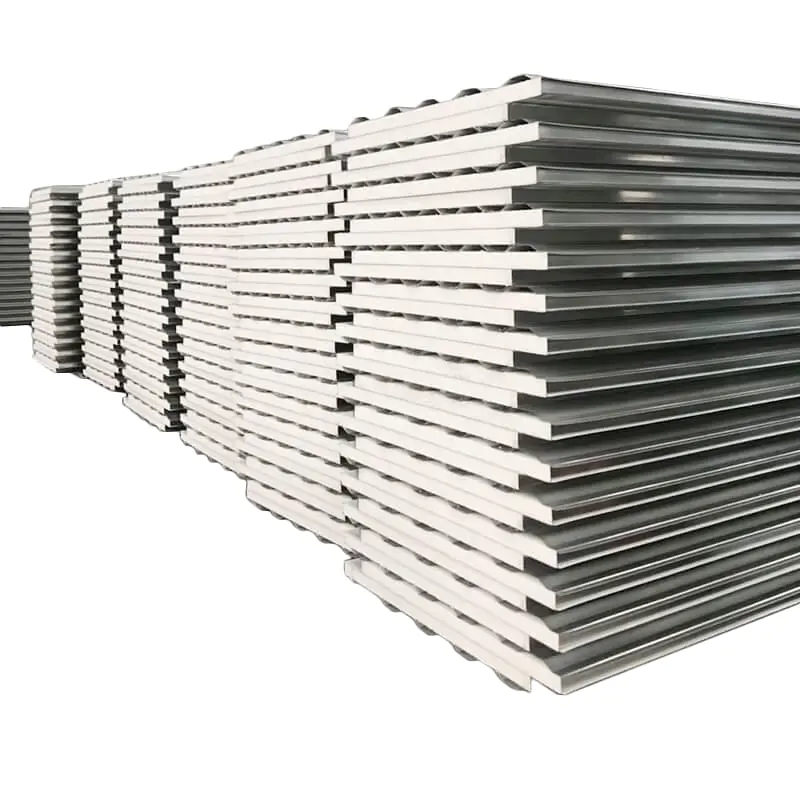
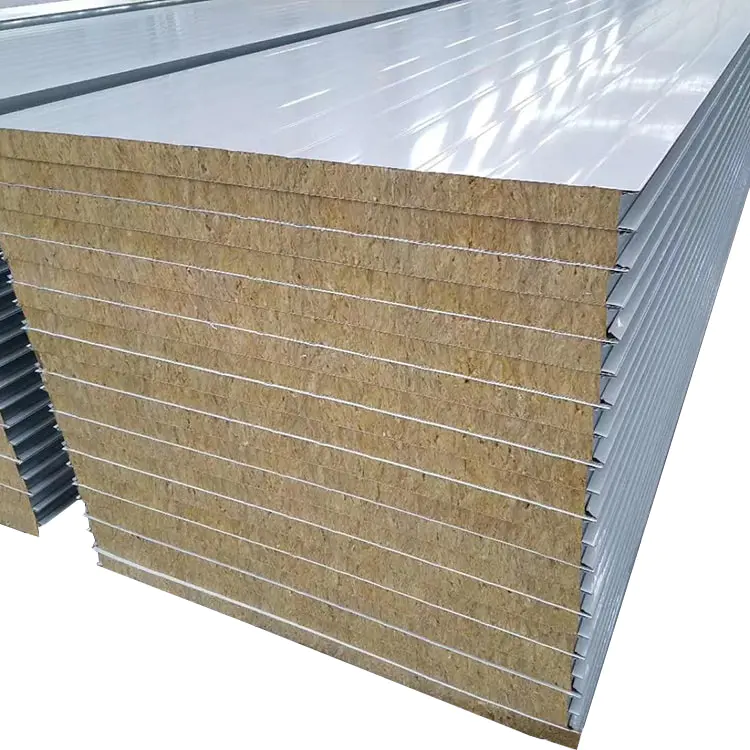
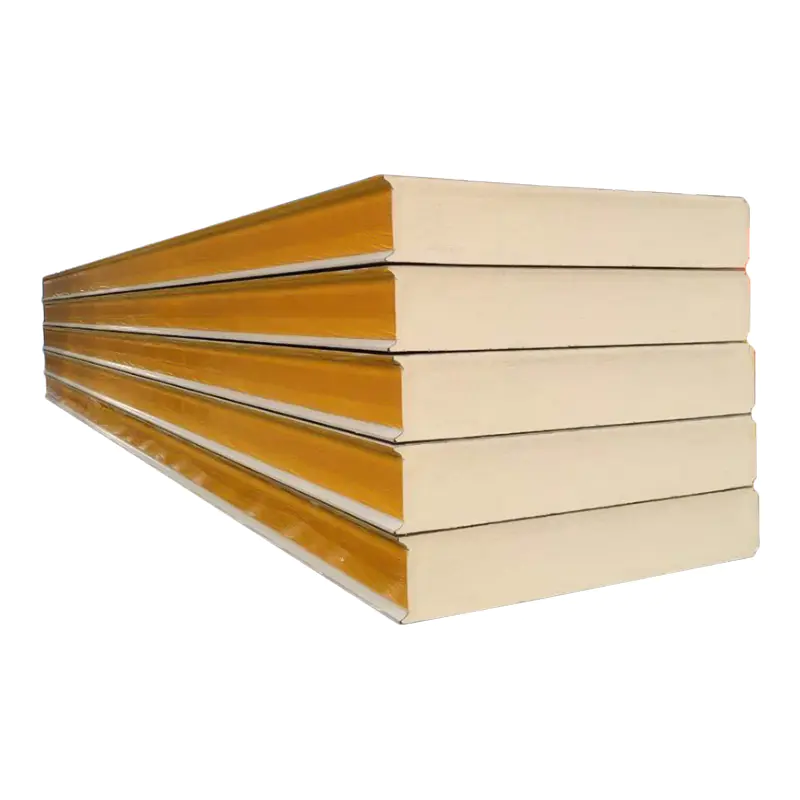
- Insulation Materials: Polyurethane panels, vacuum insulation panels, and insulated doors prevent thermal leakage.
- Refrigeration System Selection: Choosing the right compressors, evaporators, and condensers affects both energy consumption and cooling efficiency.
- Safety and Compliance: Adhering to building codes, fire safety regulations, and occupational safety standards ensures long-term operation.
- Automation and Monitoring: Temperature and humidity sensors, automated alerts, and integrated warehouse management systems improve reliability.
Cold Storage Building Design Considerations
When planning cold storage building design, the following factors play a key role:
- Building Orientation: Reducing direct sunlight exposure can lower cooling load.
- Roof and Wall Design: Proper insulation thickness and materials prevent heat infiltration.
- Flooring: High-compressive concrete floors or insulated panels accommodate heavy loads and minimize thermal bridges.
- Loading and Unloading Zones: Airlocks and dock shelters maintain internal temperature during product transfer.
Cold Storage Construction Details
Detailed cold storage construction details impact efficiency and longevity. Consider the following elements:
| Construction Component | Specification | Purpose |
|---|---|---|
| Insulated Panels | 100–150mm polyurethane | Maintain temperature, reduce energy loss |
| Doors | High-density insulated sliding or swing doors | Minimize thermal leakage during access |
| Refrigeration System | Ammonia or Freon-based systems | Reliable cooling with energy efficiency |
| Flooring | Insulated, reinforced concrete | Support heavy loads and prevent heat transfer |
| Lighting | LED with motion sensors | Reduce heat load and energy usage |
Best Practices for Refrigerated Warehouse Design
Implementing best practices in refrigerated warehouse design ensures long-term efficiency:
- Zoning: Separate frozen and chilled zones to optimize energy usage.
- Airflow Management: Use fan coil units and strategic duct placement to maintain uniform temperature.
- Regular Maintenance: Schedule periodic checks for insulation integrity, refrigeration performance, and energy consumption.
- Energy Optimization: Use smart controls and variable speed drives to minimize operational costs.
Cold Storage Warehouse vs. Standard Warehouse
| Feature | Cold Storage Warehouse | Standard Warehouse |
|---|---|---|
| Temperature Control | Required with strict monitoring | Ambient conditions, no strict control |
| Insulation | High-quality panels and doors | Minimal insulation |
| Energy Use | High, needs optimization | Moderate, mostly lighting and ventilation |
| Construction Cost | High, specialized materials | Standard construction materials |
| Applications | Perishables, pharmaceuticals, biotech | General storage of non-perishable goods |
Frequently Asked Questions (FAQ)
What are the key factors in cold storage warehouse design?
Critical factors include temperature range, insulation quality, layout, airflow management, and energy efficiency.
How long does it take to construct a cold storage warehouse?
Depending on size and complexity, construction typically takes 6–12 months, including design, permitting, and equipment installation.
What materials are used in cold storage construction?
Polyurethane panels, insulated doors, reinforced concrete floors, and energy-efficient lighting are standard. Refrigeration systems may use ammonia or HFC refrigerants.
Can existing warehouses be converted into cold storage?
Yes, with proper insulation, refrigeration systems, and structural reinforcement. However, purpose-built cold storage buildings are more efficient.
How can energy consumption be minimized?
By using proper insulation, LED lighting, smart temperature controls, and zoning different temperature areas efficiently.
Conclusion
Advanced cold storage warehouse construction and cold store design and construction ensure product quality, regulatory compliance, and operational efficiency. By carefully considering cold storage warehouse requirements, construction details, and energy optimization strategies, businesses can create long-lasting and cost-effective refrigerated warehouse design solutions suitable for a wide range of applications.