English
 русский
 Español
The global surge in e-commerce, supply chain restructuring, and last-mile delivery demand has placed warehouse development at the forefront of industrial real estate investment. From multinational logistics operators to regional distributors and third-party logistics (3PL) providers, the construction of warehouses has become a strategic priority across every major economy.
Whether you are a developer, investor, business owner, or logistics professional, understanding the full lifecycle of warehouse development — from land acquisition and zoning to structural design, permitting, and occupancy — is essential for making informed, cost-effective decisions in 2025 and beyond.
- Why Warehouse Development Is Booming
- Types of Warehouses: Which Construction Approach Fits Your Needs?
- The Warehouse Development Process: Step-by-Step
- Cost of Warehouse Construction: 2025 Benchmarks
- Speculative vs. Build-to-Suit Warehouse Development: A Direct Comparison
- Sustainable Warehouse Construction: Green Building Standards
- Key Trends Shaping the Future of Warehouse Construction
- Frequently Asked Questions: Warehouse Development & Construction
- Making the Right Decisions in Warehouse Development
Why Warehouse Development Is Booming
Global supply chains have fundamentally changed. The COVID-19 pandemic exposed the fragility of just-in-time inventory systems, pushing businesses to invest in larger, more resilient storage infrastructure. Today, warehouse development is driven by several converging forces:
- E-commerce growth: Online retail now demands fulfillment centers within 1–2 hours of major population centers, fueling urban and suburban warehouse construction.
- Nearshoring and reshoring: Manufacturers bringing production closer to home markets require more domestic distribution and storage capacity.
- Cold chain expansion: Pharmaceutical, food, and biotechnology sectors are investing heavily in temperature-controlled warehouse development.
- Automation and robotics: Modern warehouses are built to accommodate automated storage and retrieval systems (ASRS), robotics, and AI-driven inventory management.
- ESG requirements: Companies are under pressure to build green, energy-efficient warehouses that meet sustainability targets.
Types of Warehouses: Which Construction Approach Fits Your Needs?
Not all warehouse construction projects are created equal. The type of warehouse you build dictates everything from site selection to structural specifications. Below is a comparative overview of the most common warehouse types:
| Warehouse Type | Primary Use | Avg. Clear Height | Typical Size (sq ft) | Special Requirements |
| Distribution Center | High-volume goods movement | 36–40 ft | 200,000–1,000,000+ | Multiple dock doors, cross-docking |
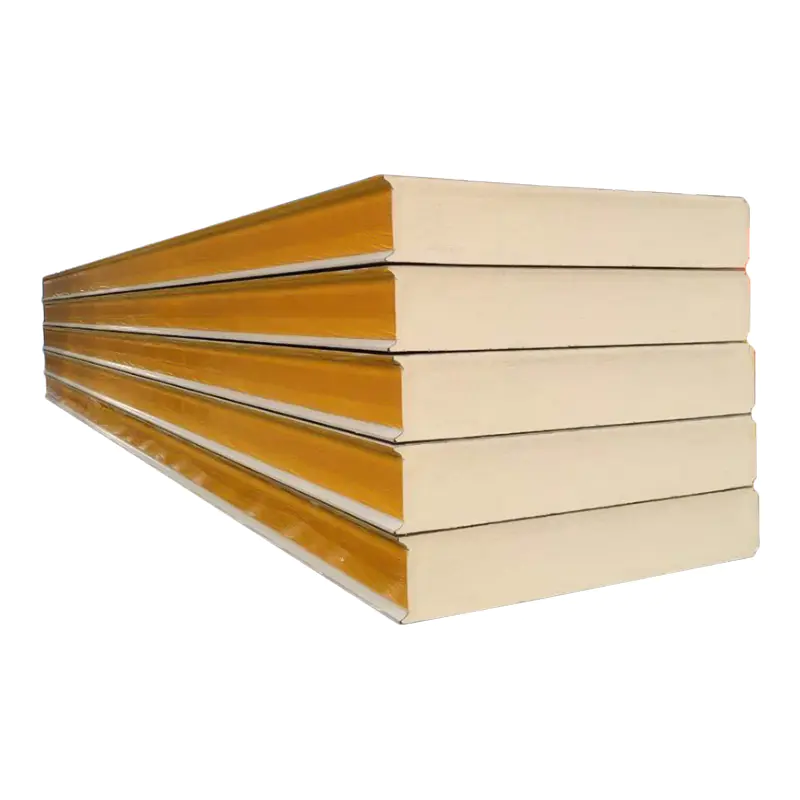
| Cold Storage Warehouse | Food, pharma, biotech | 30–40 ft | 50,000–500,000 | Insulated panels, refrigeration systems |
| Fulfillment Center | E-commerce, last-mile | 28–36 ft | 100,000–800,000 | Automation-ready, mezzanines |
| Flex/Light Industrial | SMEs, manufacturing, R&D | 18–24 ft | 5,000–50,000 | Office integration, flexible layout |
| Hazmat/Specialty Warehouse | Chemicals, flammables | 20–30 ft | 10,000–100,000 | Fire suppression, containment systems |
The Warehouse Development Process: Step-by-Step
Successful warehouse development requires careful planning across multiple phases. Skipping or rushing any phase can result in costly redesigns, regulatory delays, or operational inefficiencies after opening.
Phase 1: Site Selection & Feasibility
Location is the most critical decision in any warehouse development project. Key criteria include proximity to highways, rail terminals, and ports; local labor availability and wage rates; zoning classifications (typically I-1, I-2, or similar industrial designations); utility capacity (power, water, sewer); and flood zone and environmental assessments. A detailed feasibility study should project total development costs, occupancy timelines, and projected ROI before any land is acquired.
Phase 2: Design & Engineering
The architectural and structural design phase defines the building's performance envelope. Critical design decisions for construction of warehouses include:
- Clear height: Modern bulk warehouses demand 36–40 ft clear heights to accommodate high-bay racking systems.
- Column spacing: Wide-bay layouts (50–60 ft column spacing) maximize storage flexibility.
- Floor slab specification: A flat, reinforced concrete floor rated for 6,000–8,000 lbs/sq ft is standard for most warehouse operations.
- Dock door ratio: Industry benchmark is 1 dock door per 10,000 sq ft for distribution warehouses.
- Truck court depth: Minimum 130 ft for full trailer maneuverability.
Phase 3: Permitting & Approvals
Permitting is often the most time-consuming stage in warehouse construction. Depending on jurisdiction, permit approvals can take anywhere from 3 months to over 18 months. Common permits required include building permits, grading and stormwater permits, fire suppression approvals, HVAC and electrical permits, and environmental impact assessments. Experienced developers engage land-use attorneys and permit expeditors to minimize delays.
Phase 4: Construction & Project Management
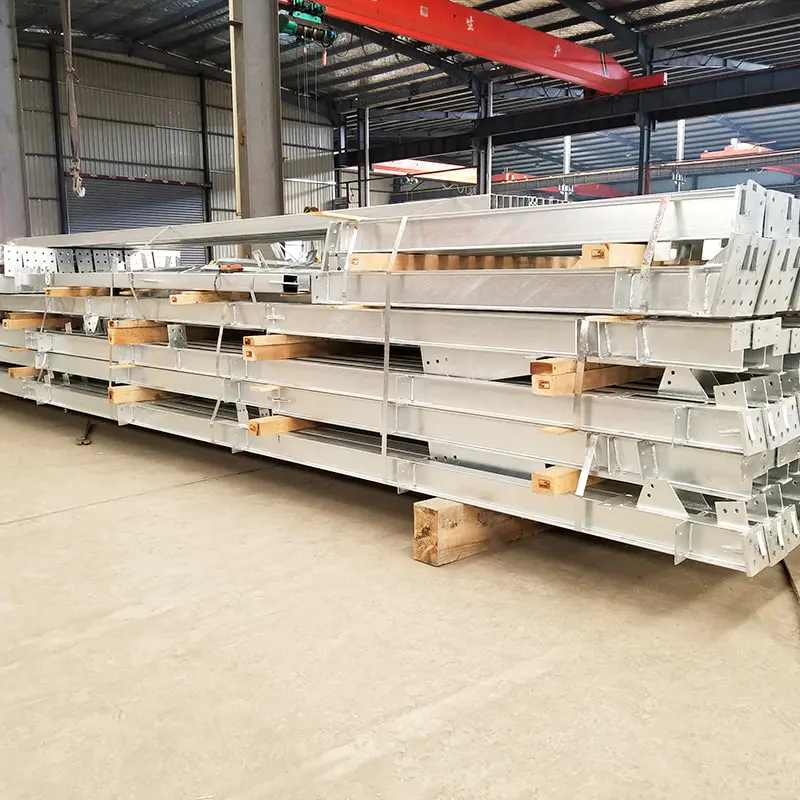
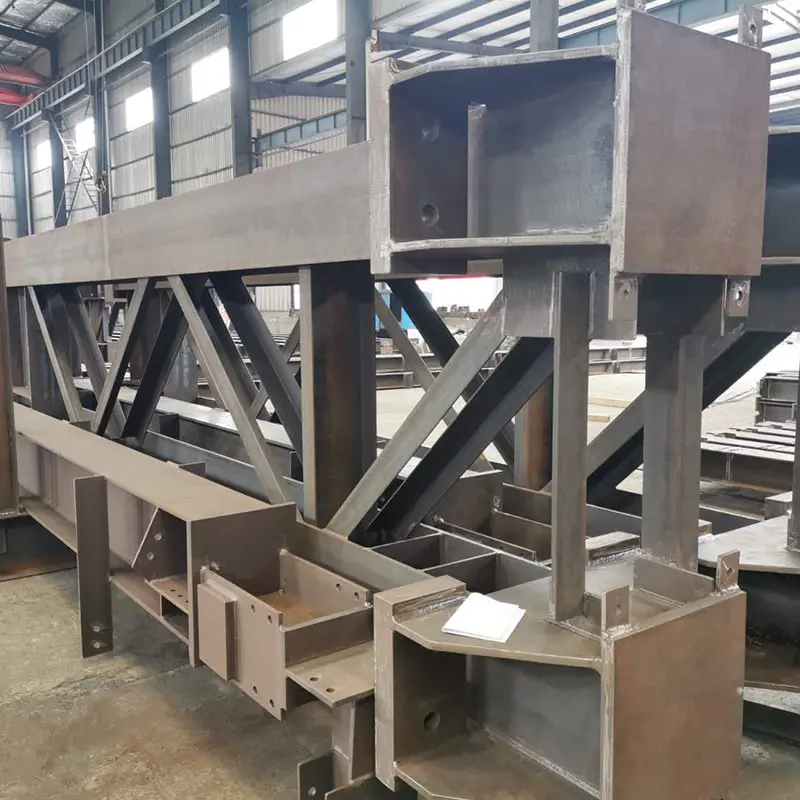
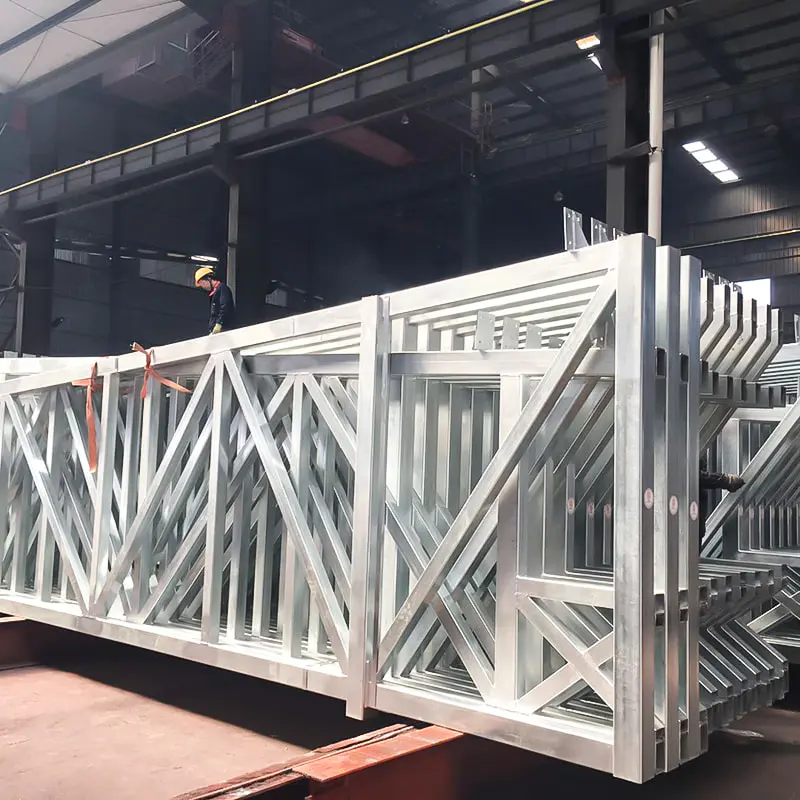
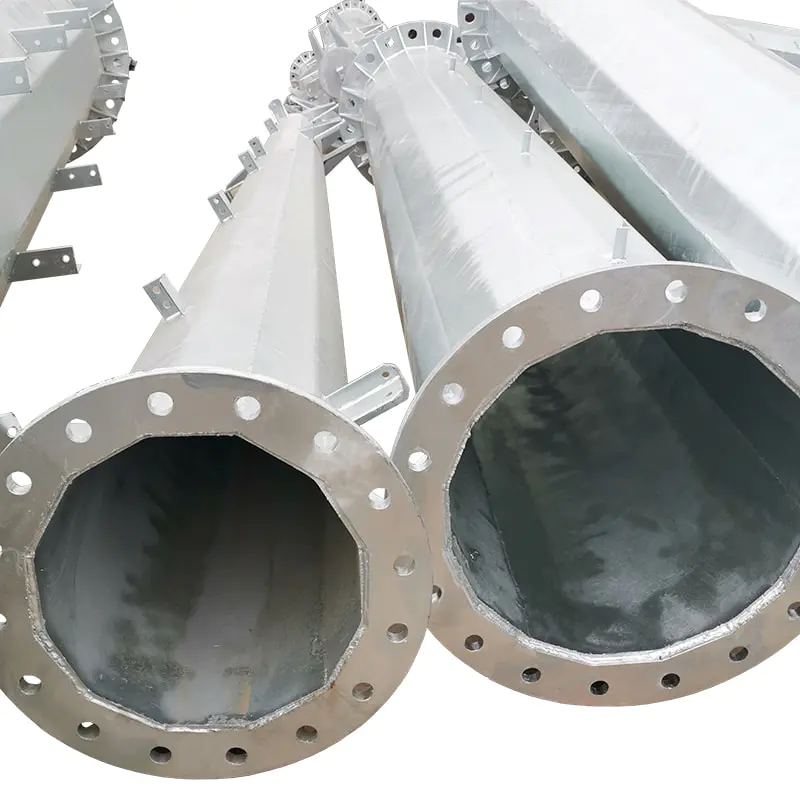
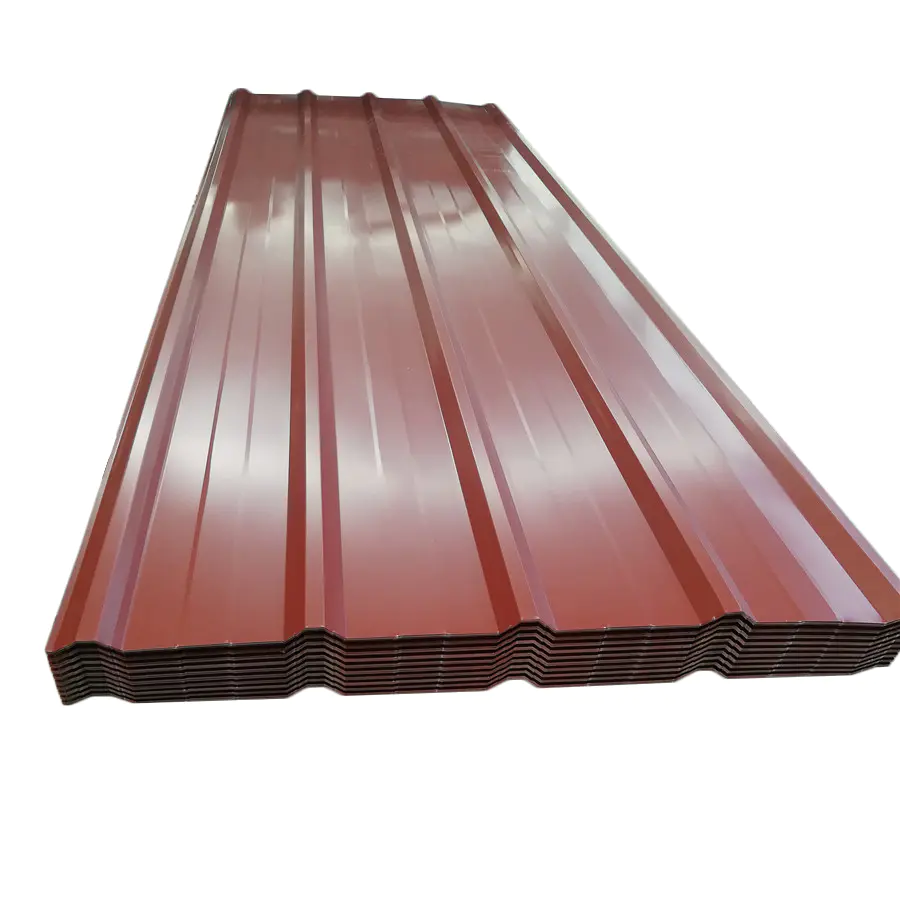
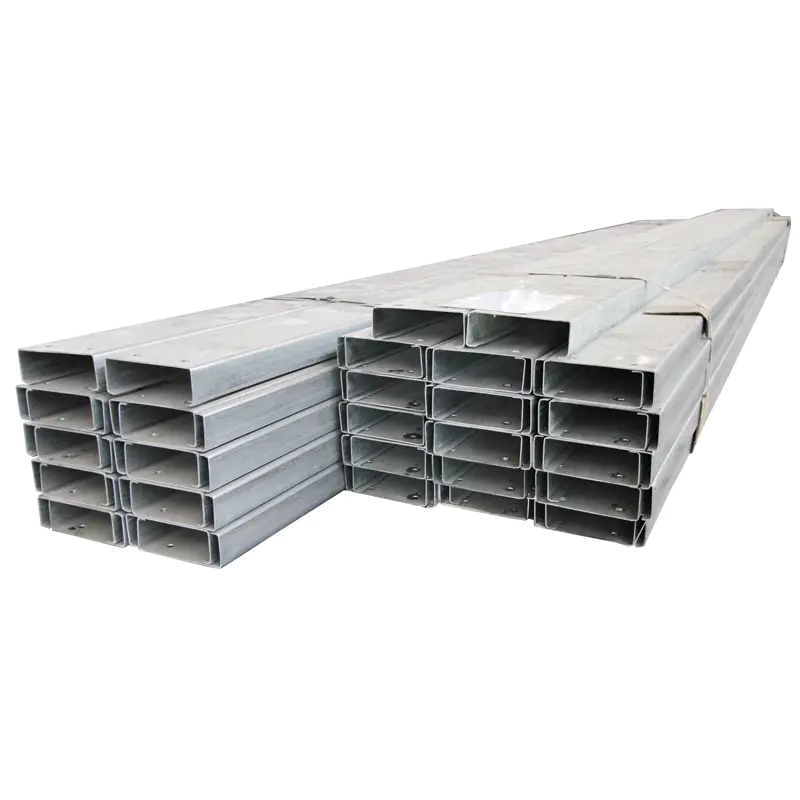
The construction of warehouses typically follows a tilt-up concrete or pre-engineered steel building methodology. Tilt-up concrete panels are the dominant construction method in North America due to their speed, cost-effectiveness, and durability. Pre-engineered metal buildings (PEMBs) offer even faster lead times and are increasingly common for facilities under 100,000 sq ft.
A general contractor coordinates site work, foundation, structural erection, roofing, mechanical/electrical/plumbing (MEP) systems, and tenant improvements. Typical construction timelines for a 300,000 sq ft speculative warehouse run 12–18 months from groundbreaking.
Phase 5: Certificate of Occupancy & Commissioning
Before operations can begin, local authorities must issue a Certificate of Occupancy (CO) confirming the building meets all code requirements. This phase also includes commissioning of fire suppression systems, HVAC, dock levelers, and automated equipment.
Cost of Warehouse Construction: 2025 Benchmarks
Construction costs for warehouse development vary significantly based on location, specification level, and building type. The following table provides 2025 benchmark data for the United States market:
| Specification Level | Construction Cost ($/sq ft) | Land Cost ($/sq ft, varies) | Total Dev. Cost ($/sq ft) | Best Suited For |
| Basic / Flex Industrial | $60–$90 | $5–$20 | $70–$115 | SMEs, light manufacturing |
| Standard Bulk Warehouse | $90–$130 | $10–$40 | $105–$175 | Distribution, 3PL |
| High-Spec / Automation-Ready | $130–$200 | $20–$80 | $155–$285 | E-commerce fulfillment, robotics |
| Cold Storage Warehouse | $150–$250 | $15–$60 | $170–$315 | Food, pharma, biotech |
Note: Costs above represent shell construction. Tenant improvements (TIs), racking, automation, and landscaping are additional. Costs in high-demand markets such as Southern California, New York/New Jersey, and the Bay Area may be 30–60% higher than the national average.
Speculative vs. Build-to-Suit Warehouse Development: A Direct Comparison
One of the most important decisions in warehouse development is choosing between speculative (spec) development and build-to-suit (BTS) construction. Each approach has distinct advantages and trade-offs.
| Factor | Speculative Development | Build-to-Suit Development |
| Occupancy Timeline | Immediate (if available) | 18–36 months from lease signing |
| Customization | Limited (standard specs) | Full design control |
| Developer Risk | High (building without tenant) | Low (tenant committed pre-construction) |
| Tenant Risk | Low (turnkey ready) | Construction delay risk |
| Cost | Market-rate rent | Often lower NNN rent, longer leases |
| Best For | Urgent space needs, standard operations | Large occupiers with unique requirements |
Sustainable Warehouse Construction: Green Building Standards
Sustainability is no longer optional in modern warehouse development. Corporate ESG mandates, energy cost pressures, and increasingly strict building codes are driving widespread adoption of green construction practices. Key sustainability features now integrated into leading warehouse construction projects include:
- Rooftop solar panels: A 500,000 sq ft warehouse roof can support 3–5 MW of solar capacity, dramatically reducing energy costs.
- LED lighting with motion sensors: Delivers 60–70% energy savings over traditional metal halide systems.
- EV charging infrastructure: Critical for fleets transitioning to electric delivery vehicles.
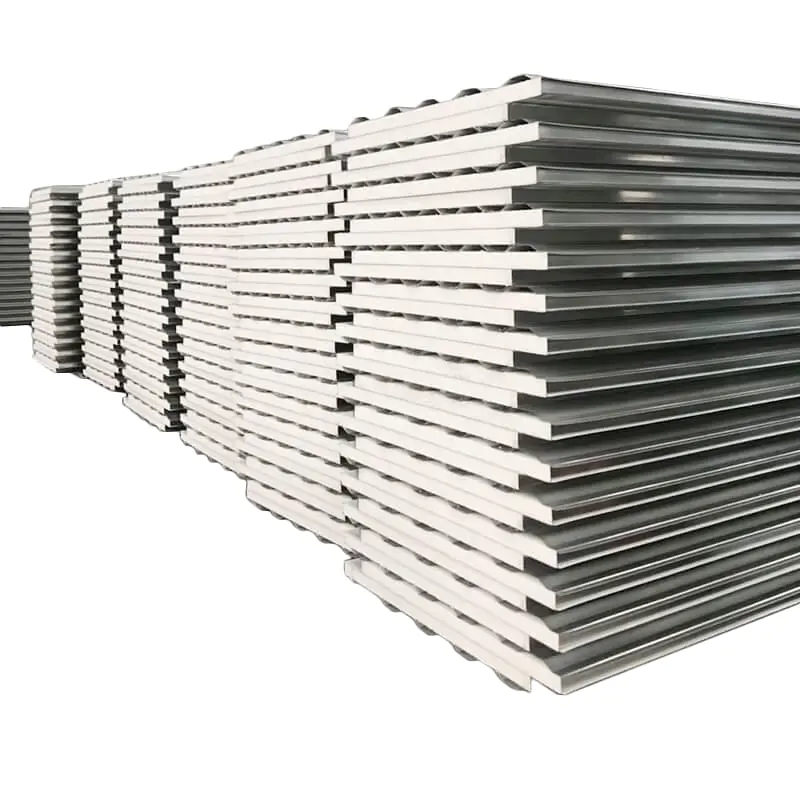
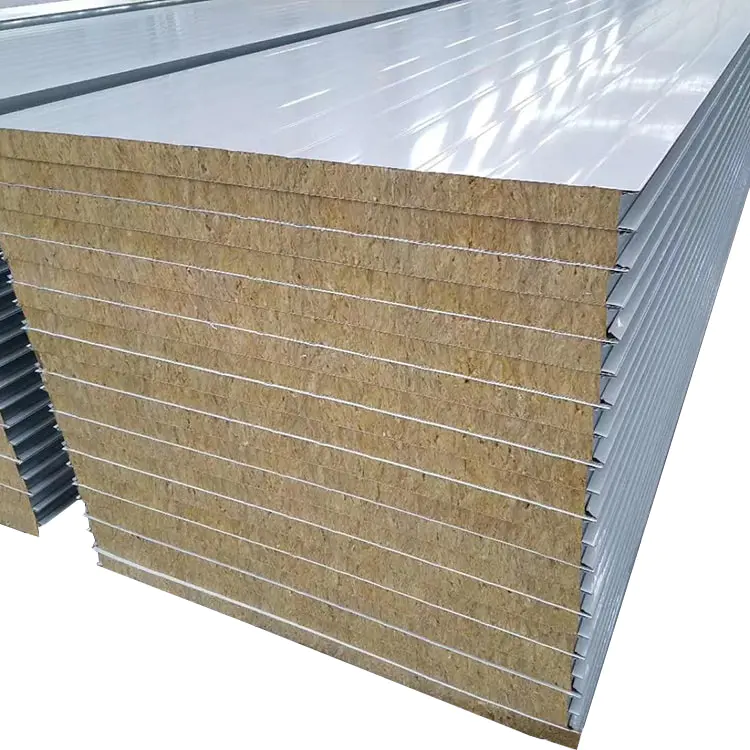
- Cool roofing and insulated panels: Reduces heat gain and HVAC load in warm climates.
- LEED and BREEAM certification: Industry-standard green building certifications that signal quality to institutional tenants and investors.
- Stormwater management systems: Bioswales, retention ponds, and permeable paving to mitigate runoff from large impervious surfaces.
Green-certified warehouse development projects typically command 5–15% rent premiums and achieve faster lease-up times, making sustainability a compelling financial as well as environmental investment.
Key Trends Shaping the Future of Warehouse Construction
1. Multi-Story Warehouse Construction
In land-constrained urban markets — particularly in Asia and increasingly in North American cities — multi-story warehouse development is emerging as a solution to land scarcity. These facilities feature truck ramps or freight elevators to access upper floors, allowing operators to maximize storage density per acre. Projects in Seattle, New York, and Chicago have pioneered this format in the U.S.
2. Automation-First Design
The most advanced construction of warehouses today is designed around automation from day one. This means higher floor loads (to support AS/RS mezzanines and robotics), increased power capacity (3,000–5,000 amps, 480V), redundant fiber connectivity, and structural reinforcement for automated conveyor systems. Retrofitting standard warehouses for automation is expensive; building for it upfront is the smarter approach.
3. Same-Day Delivery Micro-Fulfillment
As consumer expectations for same-day and next-hour delivery grow, warehouse development is evolving to include micro-fulfillment centers (MFCs) — compact, 10,000–30,000 sq ft facilities embedded in urban areas, often repurposing retail, parking, or light industrial spaces. These facilities bridge the gap between traditional distribution centers and the end customer.
4. Data Center–Warehouse Hybrid Facilities
A growing niche in warehouse construction involves facilities that combine physical goods storage with edge computing and data center infrastructure. These hybrid buildings serve the needs of technology-intensive logistics operators, including autonomous vehicle fleets and drone delivery networks.
Frequently Asked Questions: Warehouse Development & Construction
Making the Right Decisions in Warehouse Development
Warehouse development is a complex, capital-intensive endeavor that demands expertise across real estate, engineering, finance, and supply chain operations. The difference between a warehouse that performs as a competitive asset for decades and one that becomes obsolete within years often comes down to decisions made at the earliest stages of planning — site selection, design specification, and construction methodology.
As logistics networks continue to evolve, driven by automation, sustainability requirements, and shifting consumer demands, the construction of warehouses will only grow in strategic importance. Developers, investors, and occupiers who invest in high-specification, flexible, and future-ready warehouse development will be best positioned to capture value in the years ahead.
Whether you are breaking ground on a 1 million sq ft distribution campus or building a 20,000 sq ft flex facility for your growing business, the fundamentals remain the same: plan thoroughly, design for flexibility, build for durability, and operate with sustainability in mind.
- Warehouse development is driven by e-commerce, nearshoring, automation, and cold chain expansion.
- Development costs range from $70/sq ft (basic flex) to $315+/sq ft (cold storage), depending on spec and location.
- Tilt-up concrete and pre-engineered steel are the dominant warehouse construction methods.
- Speculative and build-to-suit approaches serve different risk profiles and occupancy timelines.
- Green building certification and automation-ready design add premium value and future-proof assets.
- Permitting and entitlement remain the most unpredictable phase of the warehouse development timeline.