English
 русский
 Español
Building a storage facility is one of the most resilient real estate investments available today. The self-storage industry generates over $40 billion annually in the United States alone, with demand driven by downsizing, relocation, e-commerce, and small business needs. Whether you're a first-time developer or an experienced investor looking to diversify, this guide walks you through every critical stage of how to build a storage facility — from initial concept to grand opening.
- 1. Understand the Types of Storage Facilities
- 2. Conduct Thorough Market Research
- 3. Choose the Right Location
- 4. Secure Financing for Your Storage Facility
- 5. Navigate Permits and Zoning Requirements
- 6. Design Your Storage Facility
- 7. Construction: Building Phase by Phase
- 8. Install Security and Technology Systems
- 9. Marketing Your Storage Facility Before and After Opening
- 10. Build vs. Buy: Which Is Right for You?
- Frequently Asked Questions (FAQ)
- Final Thoughts: Is Now a Good Time to Build a Storage Facility?
1. Understand the Types of Storage Facilities
Before breaking ground, you must decide what type of storage facility you want to build. Each type has different construction costs, target customers, and operational requirements.
| Facility Type | Description | Avg. Cost/Sq Ft | Best For |
| Traditional Self-Storage | Single-story, drive-up units with roll-up doors | $25–$45 | Suburban/rural markets |
| Multi-Story Climate-Controlled | Multi-floor indoor units with HVAC | $50–$70 | Urban markets |
| Vehicle/Boat Storage | Large open or covered bays for RVs, boats, cars | $20–$35 | Areas near lakes, highways |
| Portable Storage | Delivered container units, minimal construction | $10–$20 | Flexible/temporary needs |
| Wine/Specialty Storage | Temperature/humidity-controlled premium units | $70–$120 | Affluent urban areas |
2. Conduct Thorough Market Research
The most critical — and most overlooked — step when learning how to build a storage facility is verifying that your target market actually needs one. Overbuilding is the #1 cause of storage facility failure.
Key Market Research Steps
- Analyze the demand-to-supply ratio: The industry benchmark is approximately 7–8 square feet of storage per person. Markets below this are underserved.
- Study competitor occupancy rates: If local facilities are 85%+ occupied, it signals room for a new entrant.
- Evaluate population trends: Growth areas, college towns, and military communities generate consistent storage demand.
- Assess average rental rates: Research what competitors charge for 10×10, 10×20, and climate-controlled units in your area.
- Identify underserved niches: Perhaps the market has plenty of standard units but no climate-controlled or vehicle storage.
Use tools like SpareFoot, STORtrack, and CoStar for competitive intelligence, along with the U.S. Census Bureau for demographic data.
3. Choose the Right Location
In real estate, location is everything — and self-storage facility location is no different. The right site can mean the difference between a thriving business and a costly mistake.
Location Criteria Comparison
| Factor | Urban Location | Suburban Location | Rural Location |
| Land Cost | High ($5–$50/sq ft) | Moderate ($1–$10/sq ft) | Low ($0.10–$2/sq ft) |
| Rental Rates | $150–$400/mo per unit | $80–$150/mo per unit | $40–$80/mo per unit |
| Competition | High | Medium | Low |
| Construction Type | Multi-story required | 1–2 story typical | Single-story, drive-up |
| Stabilization Time | 12–24 months | 9–18 months | 6–12 months |
Visibility and accessibility are paramount. Facilities located on high-traffic roads with easy ingress/egress significantly outperform those hidden from view. Aim for sites with at least 15,000–20,000 vehicles per day passing by.
4. Secure Financing for Your Storage Facility
Understanding storage facility construction costs and securing appropriate financing is essential. Most projects are funded through a combination of equity and debt.
Typical Cost Breakdown for a 50,000 Sq Ft Facility
| Cost Category | Estimated Cost | % of Total |
| Land Acquisition | $300,000–$1,500,000 | 15–25% |
| Site Work & Grading | $150,000–$350,000 | 8–12% |
| Building Construction | $1,250,000–$3,500,000 | 45–55% |
| Security Systems | $50,000–$150,000 | 3–5% |
| Office & Management Software | $20,000–$60,000 | 1–3% |
| Permits, Fees & Legal | $30,000–$80,000 | 2–4% |
| Marketing & Working Capital | $50,000–$150,000 | 3–5% |
| Total (Suburban, Standard) | $1.85M–$5.8M | 100% |
Financing Options
- SBA 504 Loans: Ideal for owner-operators; up to 90% LTV with competitive fixed rates
- Conventional Commercial Loans: Typically 65–75% LTV, 5–10 year terms
- Private Equity / Joint Ventures: Partner with investors to reduce personal capital requirements
- CMBS Loans: Good for stabilized facilities with proven cash flow
- Crowdfunding Platforms: Newer option via platforms like Fundrise or CrowdStreet
One of the biggest hurdles in building a self-storage facility is working through local zoning laws and permit requirements. This process can take 3–12 months and must be completed before construction begins.
Essential Permits and Approvals
- Zoning approval: Confirm the parcel is zoned for commercial storage (often C-2, C-3, I-1, or I-2)
- Conditional Use Permit (CUP): Required in many jurisdictions even if storage is a permitted use
- Building permits: Structural, electrical, mechanical, and plumbing permits from local building department
- Environmental review: Phase I/II Environmental Site Assessment, stormwater management plan
- Fire safety permits: Sprinkler systems, fire suppression, egress compliance
- ADA compliance: Accessible parking, office entry, and unit access where required
- Sign permits: Signage regulations vary widely by municipality
6. Design Your Storage Facility
A well-designed storage facility layout maximizes net rentable square footage (NRS) while ensuring smooth customer flow, security, and operational efficiency.
Unit Mix Planning
Your unit mix should be based on market research, not guesswork. Common unit sizes and their typical demand:
| Unit Size | Approx. Space | Typical Use | % of Mix (Avg) |
| 5×5 | 25 sq ft | Closet overflow, documents | 10–15% |
| 5×10 | 50 sq ft | Small apartment items | 20–25% |
| 10×10 | 100 sq ft | 1–2 bedroom move | 25–35% |
| 10×20 | 200 sq ft | Household, small business | 15–20% |
| 10×30 | 300 sq ft | Vehicle, full household | 5–10% |
Key Design Principles
- Maximize NRS ratio: Target 80–85% of gross building area as net rentable space
- Wide drive aisles: Minimum 26 feet for two-way traffic, 30 feet near loading areas
- Security sightlines: Minimize blind spots; design for full camera coverage
- Lighting: LED lighting throughout interior and exterior reduces costs and improves safety
- Office placement: Visible from the street and near the entrance for maximum customer interaction
7. Construction: Building Phase by Phase
The actual construction of a storage facility generally follows a structured sequence. Working with a contractor experienced in self-storage is highly recommended.
- Site Preparation: Clear land, grade the site, install drainage and underground utilities (2–4 weeks)
- Foundation: Pour concrete slabs or footings; ensure proper thickness for drive areas (4–6 weeks)
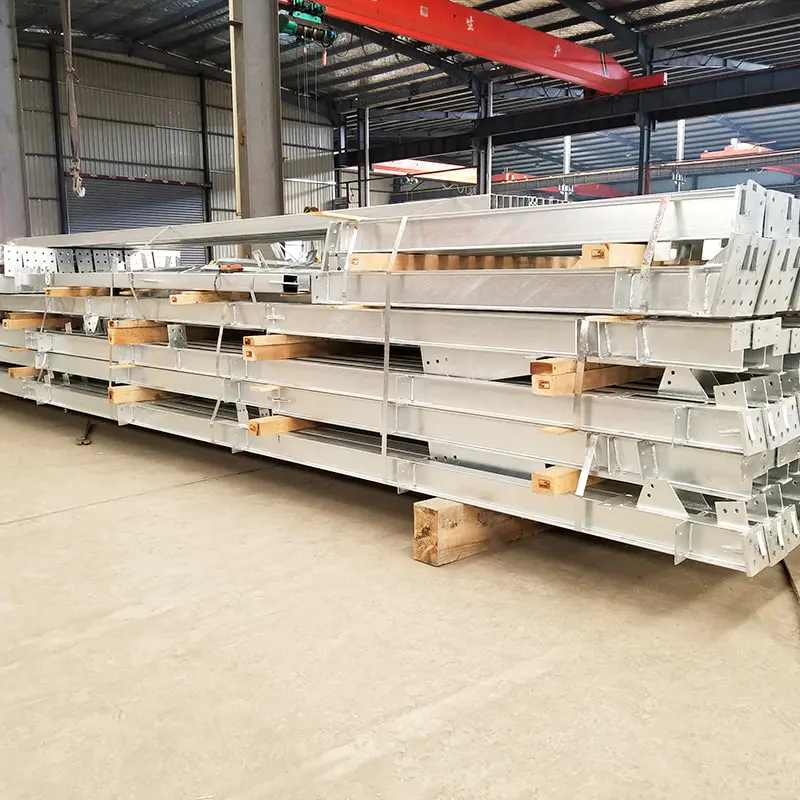
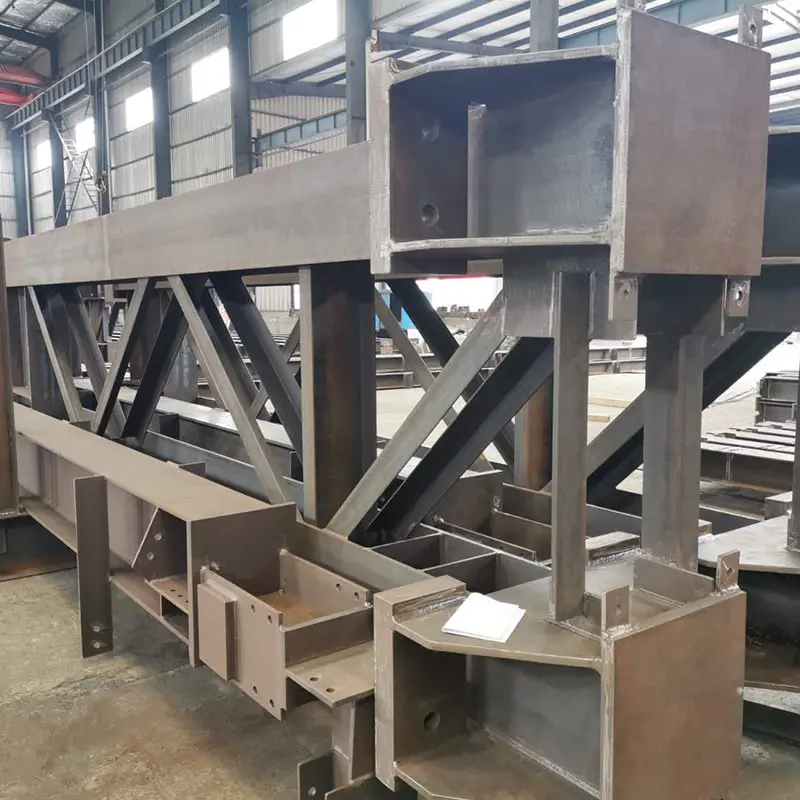
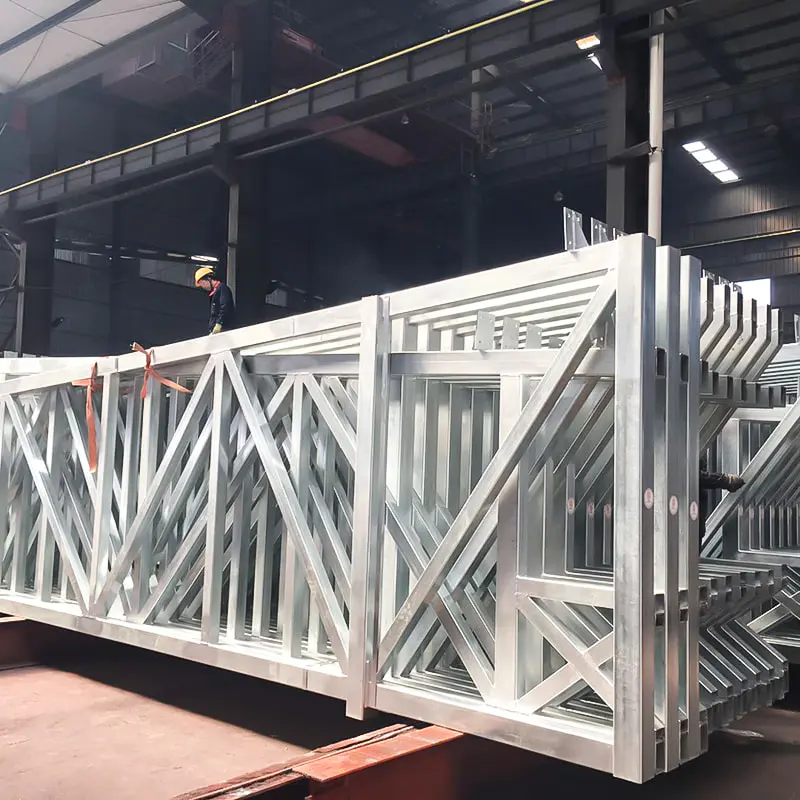
- Steel Erection: Install prefabricated steel building frames and roof systems (4–8 weeks)
- Unit Construction: Install partition walls, roll-up doors, and flooring (4–8 weeks)
- Electrical & Plumbing: Wire lighting, HVAC, fire suppression, and office systems (3–5 weeks)
- Security System Installation: Cameras, keypads, access control, alarms (2–3 weeks)
- Office Finishing: Interior finish, signage, landscaping, paving (3–4 weeks)
- Final Inspections & Certificate of Occupancy: City/county approvals (2–4 weeks)
Total construction time for a standard single-story facility: approximately 6–12 months. Multi-story or climate-controlled projects typically take 12–18 months.
8. Install Security and Technology Systems
Modern storage facility security is a major selling point and a liability necessity. Customers expect professional-grade protection for their belongings.
Essential Security Features
- Perimeter fencing: 6–8 ft chain-link or ornamental fencing with coded entry gates
- CCTV cameras: HD cameras covering all driveways, hallways, and entry points; minimum 30-day recording retention
- Individual unit alarms: Door-sensor alarms on each unit alert management when opened after hours
- Keypad/PIN access: Unique customer access codes; time-restricted entry for delinquent accounts
- Smart locks: Bluetooth/mobile-enabled locks allow remote access and contactless rentals
- Adequate lighting: Motion-sensor LED lighting in all interior hallways and exterior spaces
9. Marketing Your Storage Facility Before and After Opening
You should begin marketing your storage facility at least 3–6 months before opening to build an early reservation list and reduce time to full occupancy.
Marketing Strategies That Work
- Google Business Profile: Claim and fully optimize your listing — it's often the #1 source of storage leads
- SEO-optimized website: Target keywords like "[City] storage units" and "climate controlled storage near me"
- SpareFoot / Storage.com listings: Pay-per-lead marketplaces that drive significant early volume
- Google Ads: Target local high-intent keywords during the fill-up period
- Grand opening promotions: First month free or 50% off attracts early tenants who often stay for years
- Partnerships: Establish referral relationships with real estate agents, moving companies, and apartment complexes
10. Build vs. Buy: Which Is Right for You?
Not everyone should build from scratch. Here's a direct comparison of building a new storage facility vs. acquiring an existing one:
| Consideration | Build New | Buy Existing |
| Upfront Cost | Lower land + construction | Higher (includes goodwill/cap rate) |
| Time to Revenue | 18–30 months | Immediate (if stabilized) |
| Risk Level | Higher (lease-up risk) | Lower (proven cash flow) |
| Customization | Full control over design/systems | Limited to existing structure |
| Value Creation | Very high (build at cost) | Moderate (value-add only) |
| Financing | Construction loans required | Traditional commercial mortgage |
| Best For | Experienced developers, underserved markets | First-time investors, proven markets |
Frequently Asked Questions (FAQ)
Final Thoughts: Is Now a Good Time to Build a Storage Facility?
The self-storage industry continues to benefit from powerful macro trends: urbanization, downsizing baby boomers, the rise of e-commerce, and the post-pandemic reshuffling of American households. While rising construction costs and interest rates have tightened margins in recent years, disciplined developers who do thorough market research in underserved submarkets continue to create significant value.
The key to success in building a self-storage facility is preparation: understand your market deeply, choose the right location, assemble an experienced team (developer, architect, contractor, attorney, lender), and execute a disciplined lease-up marketing plan from day one.
Whether you're planning a small 20,000 sq ft rural facility or a 100,000 sq ft urban multi-story complex, the fundamentals remain the same. Follow the steps outlined in this guide, seek experienced mentors in the industry, and you'll be well-positioned to build not just a storage facility — but a lasting, profitable asset.